Oil surges after Israel says conflict with Iran isn’t over, while Trump rejects Tehran’s peace proposal and Citi warns of upside risks to crude prices.
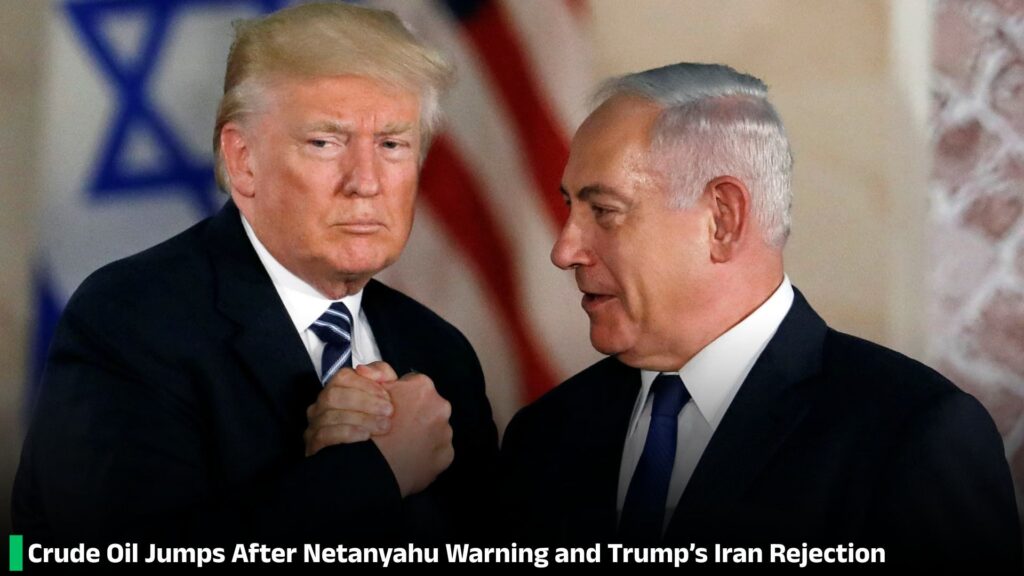
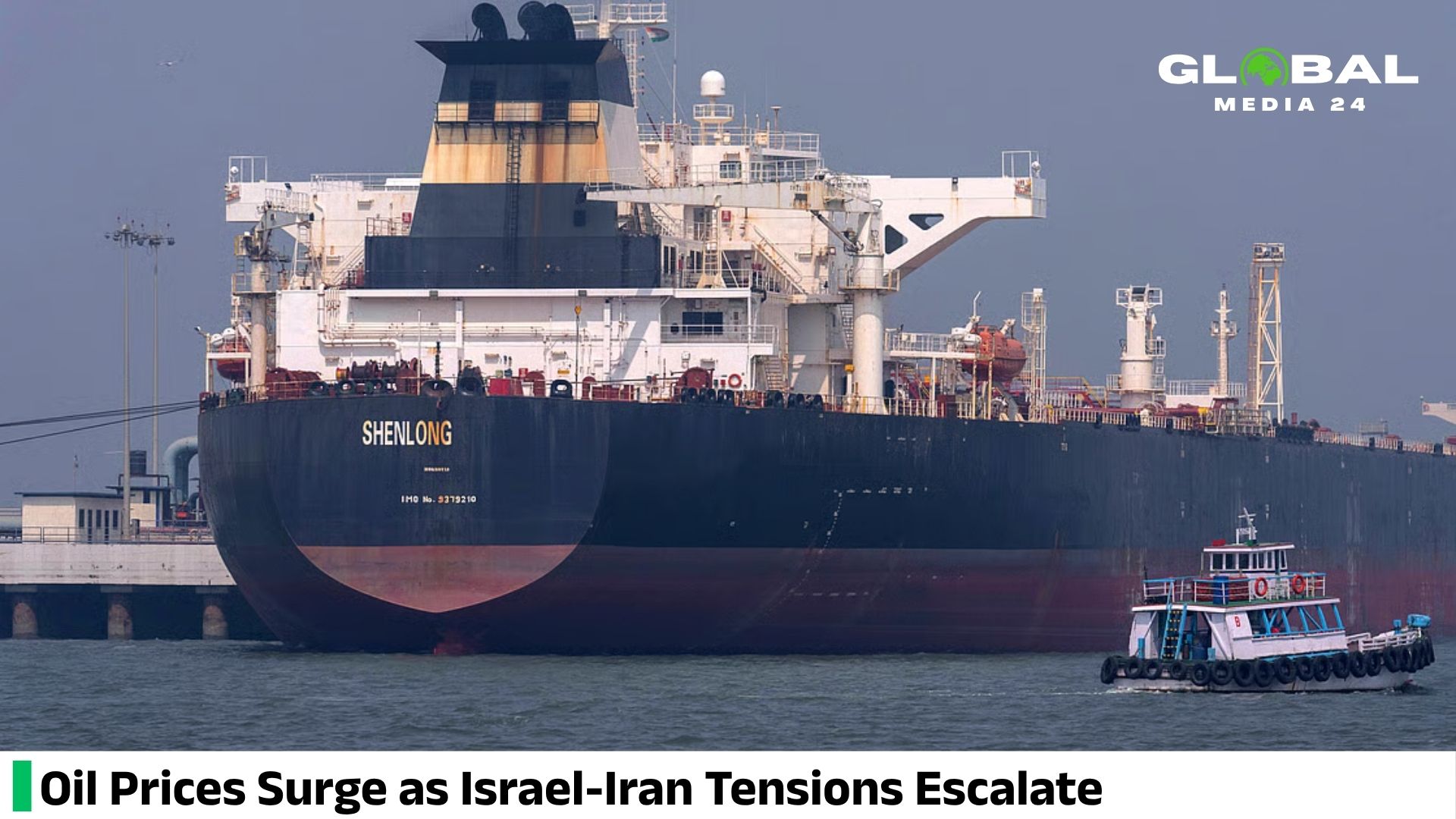
Oil prices surged on Monday after Israeli Prime Minister Benjamin Netanyahu warned that the conflict with Iran “is not over,” fueling fears that tensions in the Middle East could escalate once again, further threatening energy supplies.
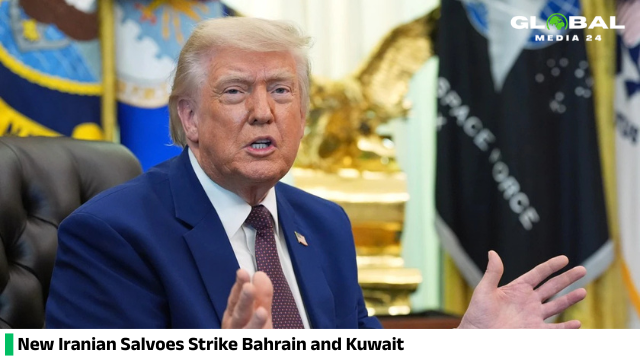
Meanwhile, U.S. President Donald Trump rejected Iran’s counter-offer to end the conflict with the United States and Israel. “I have just read the response from Iran’s so-called ‘Representatives.’ I did not like it—absolutely unacceptable!”
U.S. West Texas Intermediate (WTI) futures for June delivery rose 3.08% to $95.42 per barrel, while the international benchmark, Brent crude futures for July delivery, climbed 3.16% to $104.49 per barrel.
In an interview on CBS’s “60 Minutes” on Sunday—which is set to air Sunday night—Netanyahu stated, “There is still nuclear material, enriched uranium, that needs to be removed from Iran.” He added, “There are still enrichment sites that need to be dismantled; there are still proxies that Iran supports; there are still ballistic missiles they seek to build… there is still work to be done.”
When asked how the U.S. and Israel would go about removing the nuclear material, Netanyahu replied: “You go in, and you take it out.”
In their latest oil report, analysts at Citi wrote that prices could rise further if Iran and the U.S. fail to reach an agreement. They also noted that the crude market has found support amidst signals of excess inventory, releases from the Strategic Petroleum Reserve, weaker demand in developing economies, and intermittent signs of easing tensions in the Middle East.
Citi stated that the risks to oil prices remain tilted to the upside, as Iran retains significant control over the timing and terms of any potential agreement to reopen the vital Strait of Hormuz energy route.
“We believe the government will strike a deal to reopen the Strait by the end of May… however, we see risks that this timeline could be pushed back and/or that the reopening might be only partial, implying that disruptions could persist for an extended period.”