Iran launched fresh missile and drone attacks targeting Bahrain and Kuwait, raising fears of a wider Middle East conflict. Gulf nations remain on high alert as regional tensions intensify.
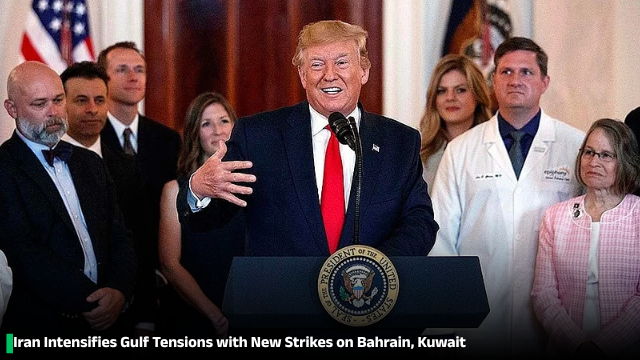
The Middle East witnessed another dramatic escalation after Iran launched a fresh wave of missile and drone attacks aimed at Bahrain and Kuwait. The latest strikes have intensified concerns about regional stability, threatening ongoing diplomatic efforts and raising fears of a broader conflict across the Gulf region. According to military officials and regional authorities, air defense systems were activated in both countries as projectiles approached strategic locations.
The attacks come at a time when tensions between Iran and the United States remain extremely high, despite ongoing efforts to preserve a fragile ceasefire. Gulf nations, many of which host key military installations and critical energy infrastructure, now find themselves increasingly exposed to the growing confrontation.
Iran Launches Fresh Missile and Drone Attacks
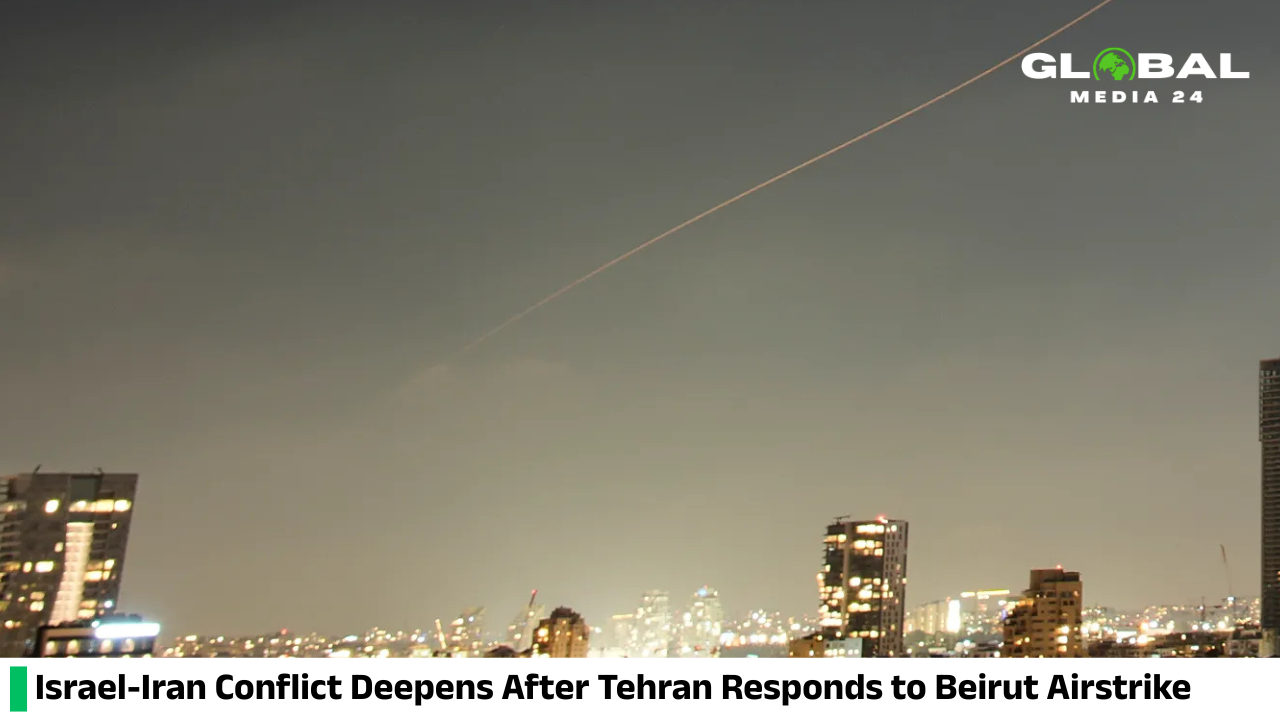
Reports indicate that Iran fired multiple ballistic missiles and deployed drones toward targets in Bahrain and Kuwait. Air raid sirens sounded across parts of Bahrain, while authorities in Kuwait closely monitored incoming threats. Defense systems reportedly intercepted most of the projectiles before they could reach their intended targets.
Iran’s Islamic Revolutionary Guard Corps (IRGC) claimed responsibility for the attacks, stating that the operation was conducted in response to recent military actions against Iranian assets. Iranian officials argued that the strikes were intended to send a message to regional and international adversaries operating in the Gulf.
While no major damage has been officially confirmed from the latest barrage, the attacks have significantly increased security concerns throughout the region.
Strategic Importance of Bahrain and Kuwait
Both Bahrain and Kuwait play crucial roles in the Gulf’s security architecture.
Bahrain hosts the headquarters of the United States Navy’s Fifth Fleet, making it one of Washington’s most important military locations in the Middle East. Kuwait also hosts major military facilities that support regional security operations and coalition activities.
Because of their strategic importance, both countries have frequently been mentioned in discussions surrounding regional tensions involving Iran, the United States, and allied nations. Analysts believe that targeting these locations allows Tehran to demonstrate its military reach while applying pressure on its rivals.
Air Defense Systems Prevent Major Damage
Military officials reported that most incoming missiles and drones were successfully intercepted before reaching their targets. The coordinated response involved regional defense networks and allied military assets stationed across the Gulf.
Officials stated that the interceptions helped prevent significant casualties and infrastructure damage. However, the attacks caused temporary disruptions and prompted emergency procedures in several areas.
The successful defense response highlights the increasing importance of integrated air defense systems throughout the Gulf region, particularly as missile and drone threats continue to evolve.
Rising Threats to Regional Security
The latest attacks are part of a broader pattern of escalating military activity in the Middle East.
Over recent months, the region has experienced repeated exchanges involving missile launches, drone attacks, naval incidents, and retaliatory strikes. These developments have increased concerns among governments, businesses, and international organizations about the possibility of a larger conflict.
Security experts warn that even limited attacks can have significant consequences due to the concentration of critical infrastructure in the Gulf, including oil facilities, shipping routes, airports, and military installations.
Impact on Global Energy Markets
Any escalation involving Gulf nations immediately attracts global attention because of the region’s central role in energy production and transportation.
The Strait of Hormuz remains one of the world’s most important maritime chokepoints, with a significant portion of global oil exports passing through its waters. Recent tensions have already contributed to concerns about shipping safety and energy supply stability.
Market analysts note that continued military activity could increase volatility in oil prices and affect international trade routes. Shipping companies and insurers are closely monitoring developments as governments work to maintain safe passage for commercial vessels.
Diplomatic Efforts Face New Challenges
The attacks have complicated ongoing diplomatic efforts aimed at reducing tensions in the region.
Several countries have been attempting to facilitate dialogue between Iran and its rivals, hoping to prevent further military escalation. However, each new round of attacks makes negotiations more difficult and increases political pressure on leaders involved in peace efforts.
International observers fear that continued military exchanges could undermine confidence-building measures and delay progress toward long-term stability. Regional governments have repeatedly called for restraint while emphasizing the importance of protecting national sovereignty and civilian populations.
Gulf Nations Strengthen Security Measures
Following the latest strikes, Bahrain and Kuwait reportedly increased security readiness levels and reviewed emergency response protocols.
Authorities continue to assess potential threats while coordinating closely with international partners. Airports, ports, military facilities, and energy infrastructure remain under heightened surveillance.
Government officials have reassured residents that security forces are fully prepared to respond to any future incidents. At the same time, citizens have been encouraged to remain informed through official channels and follow emergency guidance when necessary.
International Reaction
World leaders have expressed concern over the renewed violence and urged all parties to avoid actions that could further destabilize the region.
International organizations have emphasized the importance of diplomacy, warning that continued escalation could have serious humanitarian and economic consequences. Many governments are closely monitoring the situation as they assess potential impacts on regional security, energy supplies, and global markets.
The international community continues to push for dialogue while preparing contingency plans should tensions worsen in the coming days.
Conclusion
The fresh Iranian missile and drone attacks targeting Bahrain and Kuwait represent another significant escalation in an already volatile Middle East security environment. Although air defense systems successfully intercepted most threats, the incident highlights the ongoing risks facing Gulf nations and the broader international community.
As diplomatic efforts continue and military forces remain on high alert, the world will be watching closely to see whether regional leaders can prevent further escalation. The coming days may prove critical in determining whether tensions ease through negotiation or continue moving toward a wider confrontation.