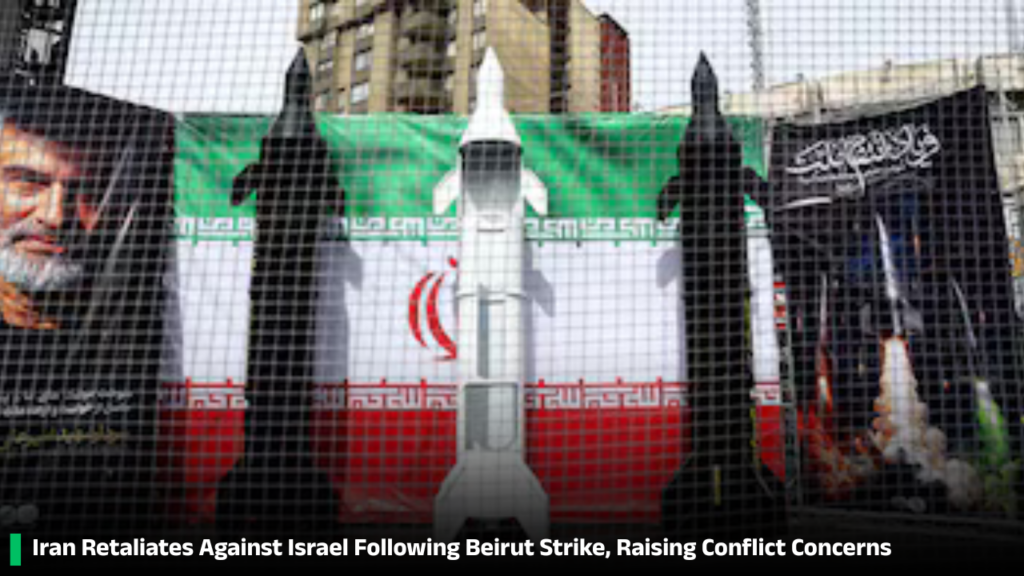
Iran launched missiles at Israel for the first time since the April ceasefire after Israeli airstrikes targeted Beirut. The escalation threatens regional stability and raises concerns over a broader Middle East conflict.
The fragile peace that had largely held across the Middle East since April appears to be under severe strain after Iran launched missiles toward Israel in retaliation for an Israeli strike on Beirut. The incident marks the first direct Iranian attack on Israel since a ceasefire agreement came into effect earlier this year and has reignited fears of a broader regional conflict. Reports indicate that multiple missiles were launched from Iranian territory toward northern Israel following Israeli airstrikes that targeted Hezbollah-linked positions in Beirut’s southern suburbs.
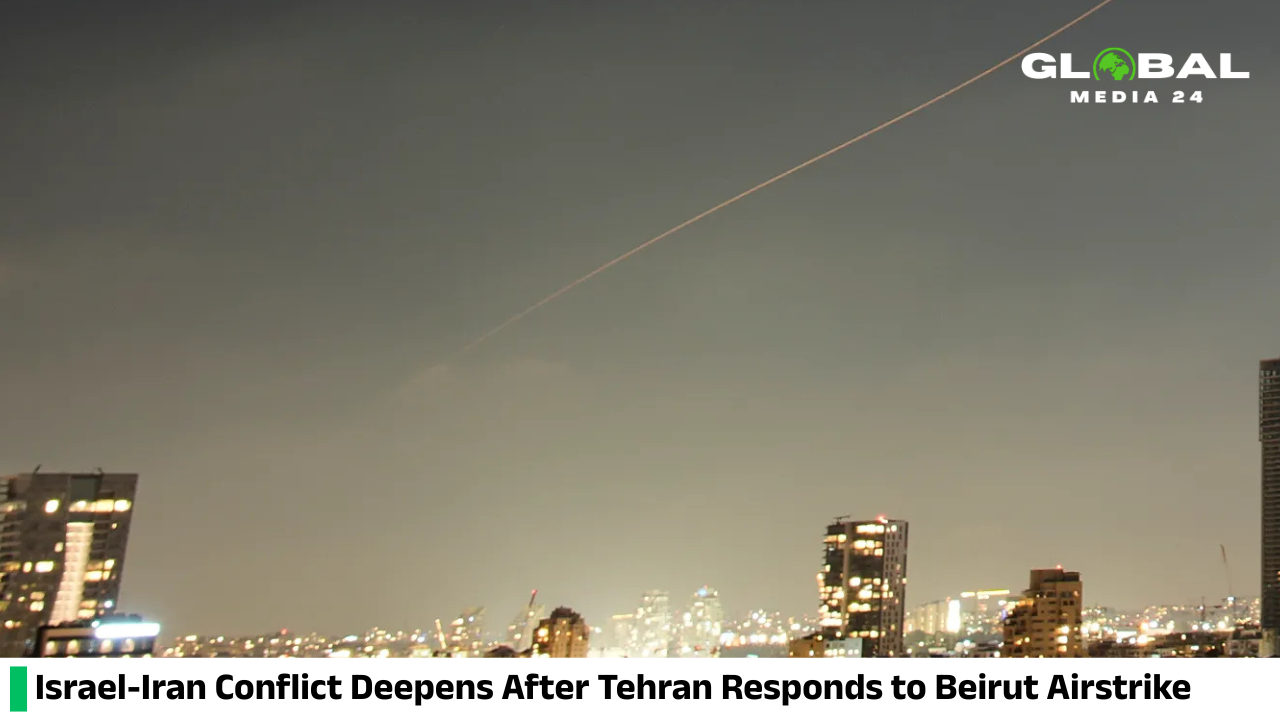
Military officials in Israel confirmed that air defense systems were activated immediately after missile launches were detected. According to preliminary assessments, most or all incoming missiles were intercepted before causing significant damage. Despite the limited physical impact, the attack represents a major escalation in tensions between two long-standing regional rivals and could have far-reaching geopolitical consequences.
What Triggered the Latest Escalation?
The latest crisis began when Israeli forces conducted airstrikes in Beirut’s southern suburbs, an area known to be a stronghold of Hezbollah. Israeli officials stated that the operation was carried out in response to rocket fire directed toward northern Israel. Hezbollah did not immediately claim responsibility for those attacks, but Israeli authorities maintained that the group posed a direct threat to national security.
Iran, which has long supported Hezbollah politically and militarily, condemned the Israeli strike and warned that any attack on Beirut would not go unanswered. Within hours, Tehran followed through on those warnings by launching missiles toward Israel, dramatically increasing tensions throughout the region. Iranian officials described the action as a defensive response aimed at deterring future attacks on Lebanon and its allies.
Iran’s Response and Strategic Messaging
Iranian authorities framed the missile launches as a direct response to what they described as Israeli aggression. Statements from senior Iranian military officials suggested that the attack was intended to send a clear message that strikes against Hezbollah and Lebanese territory would have consequences.
Analysts believe Iran’s decision to respond directly rather than through proxy groups reflects a broader shift in regional strategy. The move signals Tehran’s willingness to engage more openly in confrontations when it believes its strategic interests are threatened. However, Iran also faces significant risks, as a prolonged military exchange could draw additional regional and international actors into the conflict.
Israel’s Security Response
Israeli defense officials quickly moved to reassure the public following the missile launches. Air defense systems, including advanced interception technologies, were activated across multiple regions. Authorities reported that warning sirens sounded in several northern communities, prompting residents to seek shelter.
Following the attack, Israel raised its military alert level and indicated that it reserved the right to respond. Senior military leaders warned that any continued aggression would be met with decisive action. Schools and public facilities in certain areas were also placed under heightened security measures as authorities monitored the situation.
International Reactions
World leaders have expressed concern that the renewed hostilities could unravel months of diplomatic efforts aimed at stabilizing the Middle East. Several governments urged both sides to exercise restraint and avoid actions that could trigger a wider war.
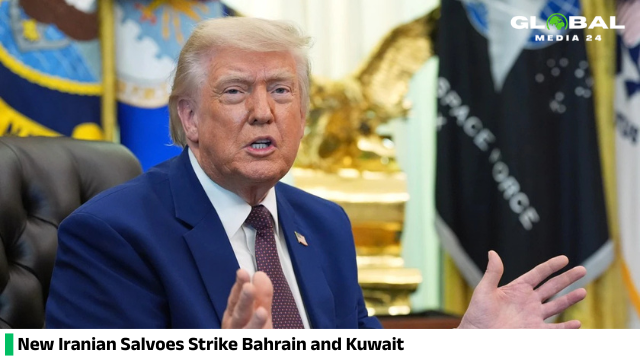
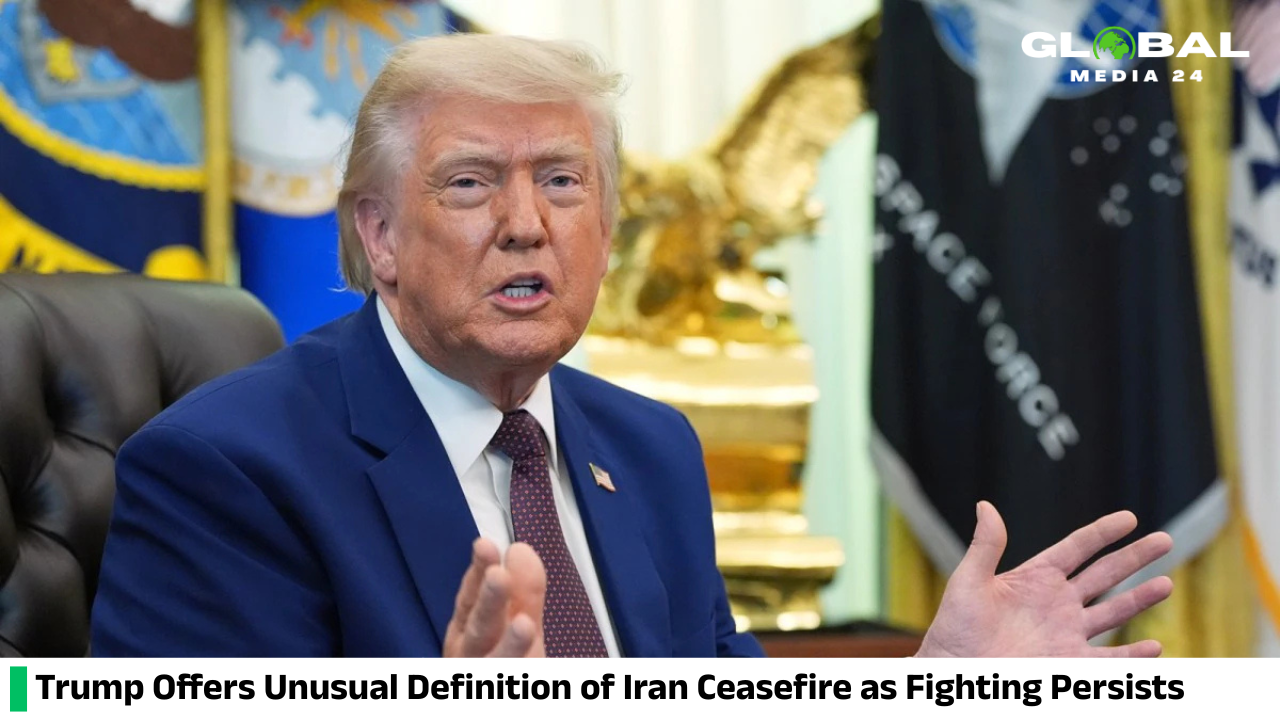
The United States played a particularly active role in attempting to de-escalate the crisis. Reports indicate that President Donald Trump urged Israeli Prime Minister Benjamin Netanyahu not to pursue immediate retaliation, arguing that further military action could jeopardize ongoing diplomatic initiatives and peace negotiations.
European nations, regional mediators, and international organizations have also called for renewed dialogue, warning that an expanded conflict could have serious humanitarian and economic consequences throughout the region.
Impact on Regional Stability
The missile exchange has raised fresh concerns about stability across the Middle East. Since the April ceasefire, many observers hoped the region was moving toward a period of reduced tensions. However, the latest developments highlight how quickly the security environment can deteriorate.
Neighboring countries have responded cautiously. Several governments reviewed airspace restrictions and increased security measures as a precaution against potential spillover effects. The possibility of disruptions to international trade routes and energy markets has also drawn attention from investors and policymakers worldwide.
Hezbollah’s Role in the Conflict
Although the immediate confrontation involved Iran and Israel, Hezbollah remains a central factor in the broader dispute. The Lebanese group has long served as one of Iran’s most influential regional allies and has been involved in periodic clashes with Israel for decades.
Experts note that Hezbollah’s position could significantly influence future developments. If hostilities continue, the organization may face pressure to increase its involvement, which could lead to a multi-front conflict involving Lebanon, Israel, Iran, and potentially other regional actors.
Economic and Global Implications
Beyond military concerns, the renewed confrontation could have substantial economic consequences. Energy markets remain highly sensitive to developments in the Middle East due to the region’s strategic importance in global oil and gas supplies.
Any prolonged conflict involving Iran and Israel could affect shipping routes, investor confidence, and commodity prices. Financial markets have historically reacted sharply to geopolitical instability in the region, making future developments closely watched by governments and businesses worldwide.
What Happens Next?
The coming days are expected to be critical. Military analysts suggest that both Iran and Israel may seek to demonstrate strength while avoiding a full-scale war. Nevertheless, the risk of miscalculation remains significant.
Diplomatic efforts are continuing behind the scenes, with several countries attempting to prevent further escalation. Whether those efforts succeed will likely determine whether the latest exchange remains a limited confrontation or evolves into a larger regional crisis.
Conclusion
Iran’s missile strike against Israel following Israeli airstrikes in Beirut marks one of the most serious escalations since the April ceasefire. While air defenses limited the immediate impact, the political and strategic consequences are substantial. The confrontation underscores the fragile nature of regional stability and highlights the continuing tensions involving Iran, Israel, and Hezbollah.
As international leaders push for restraint, the world will be watching closely to see whether diplomacy can prevent a broader conflict or whether the Middle East is entering another dangerous phase of escalation.