Thousands of residents in Iran’s Sirik region lost access to drinking water after U.S. strikes damaged key reservoirs. Here’s what happened and why it matters globally.
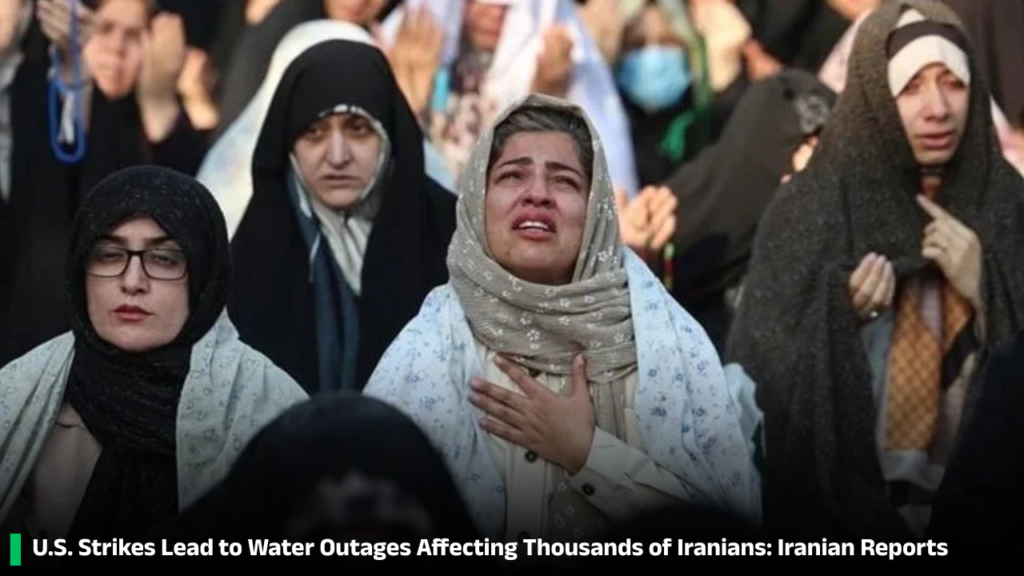
A worsening humanitarian crisis has emerged in southern Iran after thousands of residents reportedly lost access to safe drinking water following recent U.S. military strikes.
According to Iranian state media, approximately 20,000 people in the coastal town of Sirik and surrounding villages were left without drinking water after two major reservoirs supplying the region were severely damaged. The incident has intensified concerns about the impact of military operations on civilian infrastructure and has further heightened tensions between Washington and Tehran.
The development comes amid an increasingly volatile confrontation between the United States and Iran, with both nations exchanging accusations and retaliatory actions that threaten to destabilize the wider Middle East.
What Happened in Sirik?
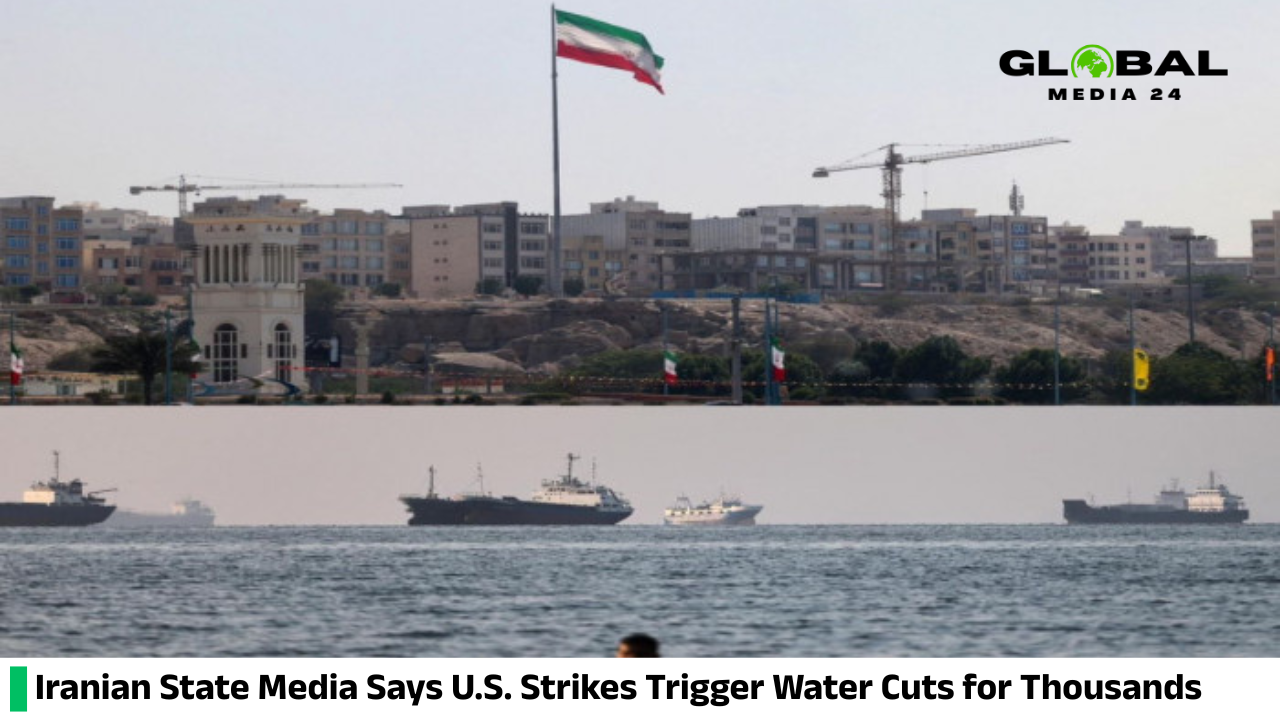
Iranian officials stated that U.S. strikes targeted several locations in southern Iran, including areas near Sirik, Jask, and Qeshm Island, situated close to the strategically important Strait of Hormuz.
During the attacks, two reservoirs supplying the Bemani and Kouhestak districts of Sirik reportedly sustained extensive damage.
Local authorities said the destruction disrupted the area’s primary water distribution system, immediately affecting around 20,000 residents who depended on those facilities for their daily drinking water needs.
Officials described the situation as particularly alarming because the region is currently experiencing extreme summer temperatures ranging from 45°C to 50°C, increasing the health risks associated with water shortages.
Why Is the Water Crisis So Serious?
Access to clean drinking water is one of the most basic human necessities.
In Sirik, the damaged reservoirs were reportedly essential components of the local supply network. Authorities indicated that available groundwater resources are insufficient to replace the lost capacity immediately.
As a result, many residents now face significant challenges, including:
- Limited access to safe drinking water.
- Increased risk of dehydration during extreme heat.
- Difficulties maintaining sanitation and hygiene.
- Additional pressure on emergency response services.
Provincial water officials have begun deploying alternative measures, including tanker trucks and temporary solutions, to restore access to affected communities.
However, experts warn that repairing critical infrastructure could take time, depending on the extent of the damage.
The Military Context Behind the Strikes
The reported attacks occurred after the United States accused Iran of being responsible for the downing of a U.S. Army Apache helicopter over Gulf waters.
Washington described its subsequent military response as a defensive operation aimed at Iranian military capabilities.
Iran, however, strongly rejected the justification provided by the United States.
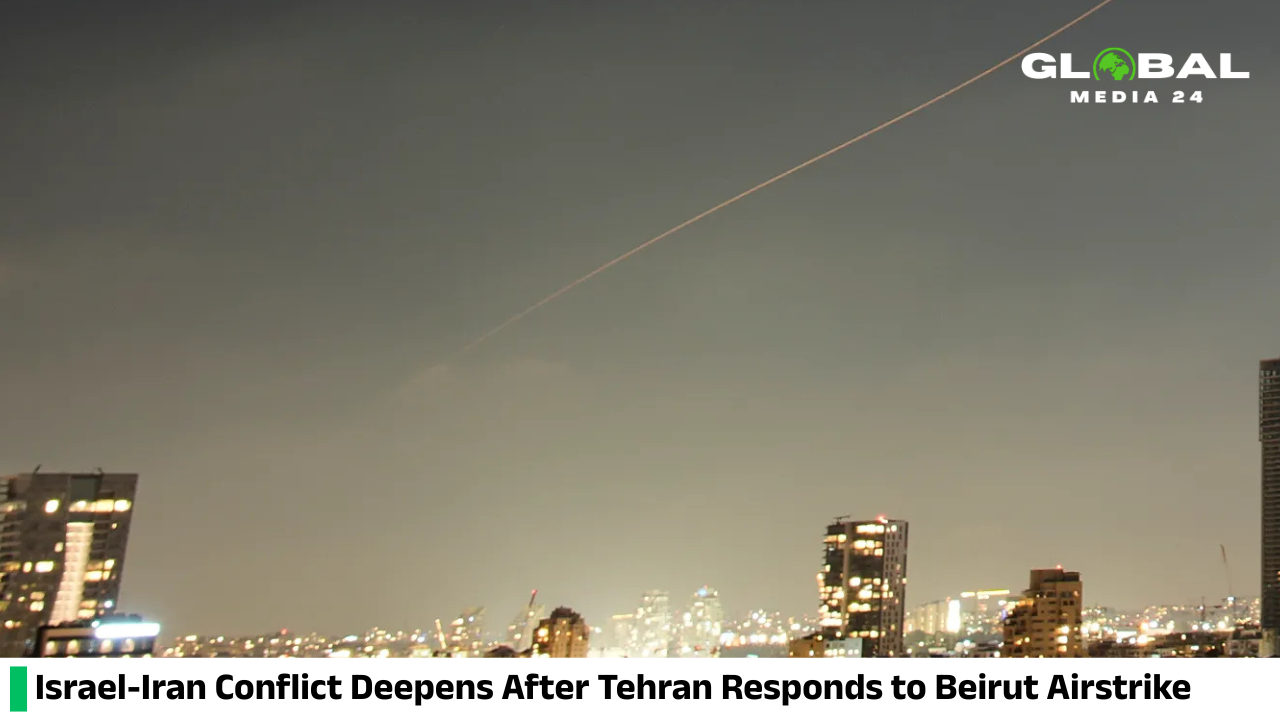
Tehran condemned the strikes, calling them an unjustified act carried out under a “false pretext.” Iranian authorities later announced retaliatory missile and drone operations targeting locations they identified as U.S. military facilities in the region.
The latest escalation has raised fears that the fragile efforts aimed at preventing a wider regional conflict could collapse entirely.
The Strategic Importance of Sirik and the Strait of Hormuz
Although Sirik is a relatively small coastal town, its location gives it geopolitical significance.
The area lies near the Strait of Hormuz, one of the world’s most critical maritime chokepoints.
An estimated one-fifth of global oil supplies pass through this narrow waterway, making any instability in the surrounding region a major concern for international markets and governments.
Military activity near the Strait often triggers global reactions because of its potential impact on:
- International energy prices.
- Shipping routes.
- Global trade.
- Regional security.
- Diplomatic relations among major powers.
The recent developments have once again highlighted how local incidents can quickly evolve into international crises.
Humanitarian Concerns Take Center Stage
Human rights advocates and international observers have increasingly emphasized the importance of protecting civilian infrastructure during armed conflicts.
Water facilities, hospitals, schools, and power networks are essential services that support ordinary people regardless of political disputes.
The reported damage in Sirik has therefore shifted attention from purely military considerations toward the humanitarian consequences of escalating hostilities.
Residents affected by the water shortage now face immediate concerns that extend far beyond geopolitics.
Families are reportedly struggling to secure basic supplies, while local authorities race to stabilize the situation before health conditions deteriorate further.
Global Reactions and Diplomatic Pressure
The incident has prompted renewed calls for restraint from various international actors.
Several governments and organizations have urged both Washington and Tehran to avoid further escalation and pursue diplomatic engagement.
Analysts warn that continued retaliation could increase the likelihood of:
- Broader military confrontation across the Gulf.
- Additional civilian hardships.
- Further disruption to energy markets.
- Increased uncertainty in international trade.
Diplomatic efforts aimed at reducing tensions remain ongoing, although prospects for immediate de-escalation appear uncertain.
Could This Affect Global Energy Markets?
Whenever tensions rise near the Strait of Hormuz, investors closely monitor developments.
Oil markets often react sharply to signs of instability because any disruption in shipping routes could affect supply chains worldwide.
Recent developments have already contributed to fluctuations in crude oil prices as traders assess the potential implications of prolonged conflict.
Countries heavily dependent on imported energy are particularly sensitive to events unfolding in the Gulf region.
What Happens Next?
The immediate priority for local officials in Hormozgan province is restoring safe drinking water to affected communities.
Emergency response teams continue working to provide temporary relief while evaluating the damage to the reservoirs.
At the same time, international attention remains focused on whether the United States and Iran can prevent the latest confrontation from escalating into a wider regional conflict.
For thousands of families in Sirik, however, the crisis is already a reality measured not by diplomatic statements but by access to one of life’s most essential resources: clean water.
As the situation evolves, the world will be watching closely to see whether humanitarian needs, regional stability, and diplomatic solutions can prevail over continued escalation.