Iran warned the US it would retaliate against any fresh strikes and block additional foreign warships from entering the Strait of Hormuz.
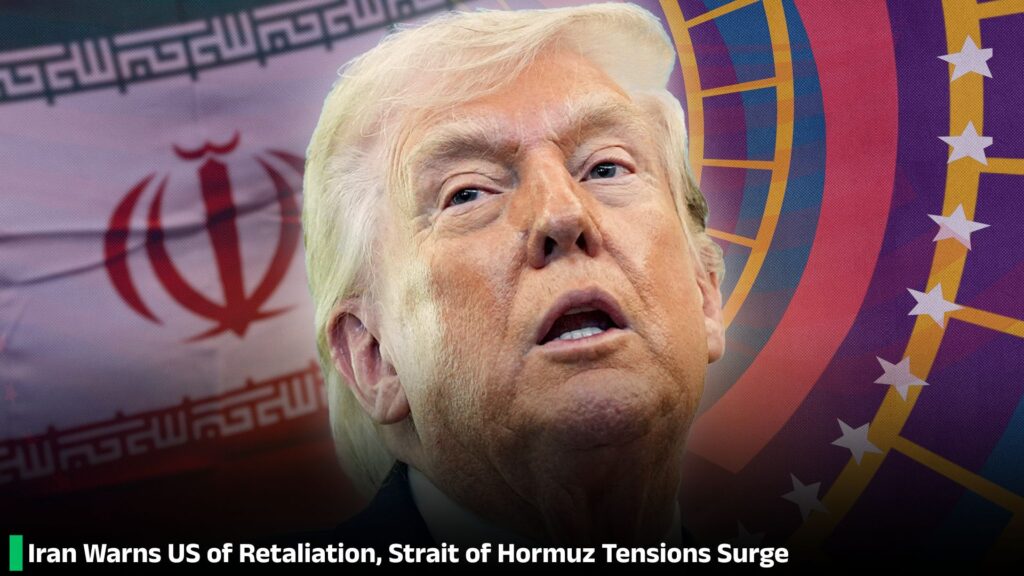
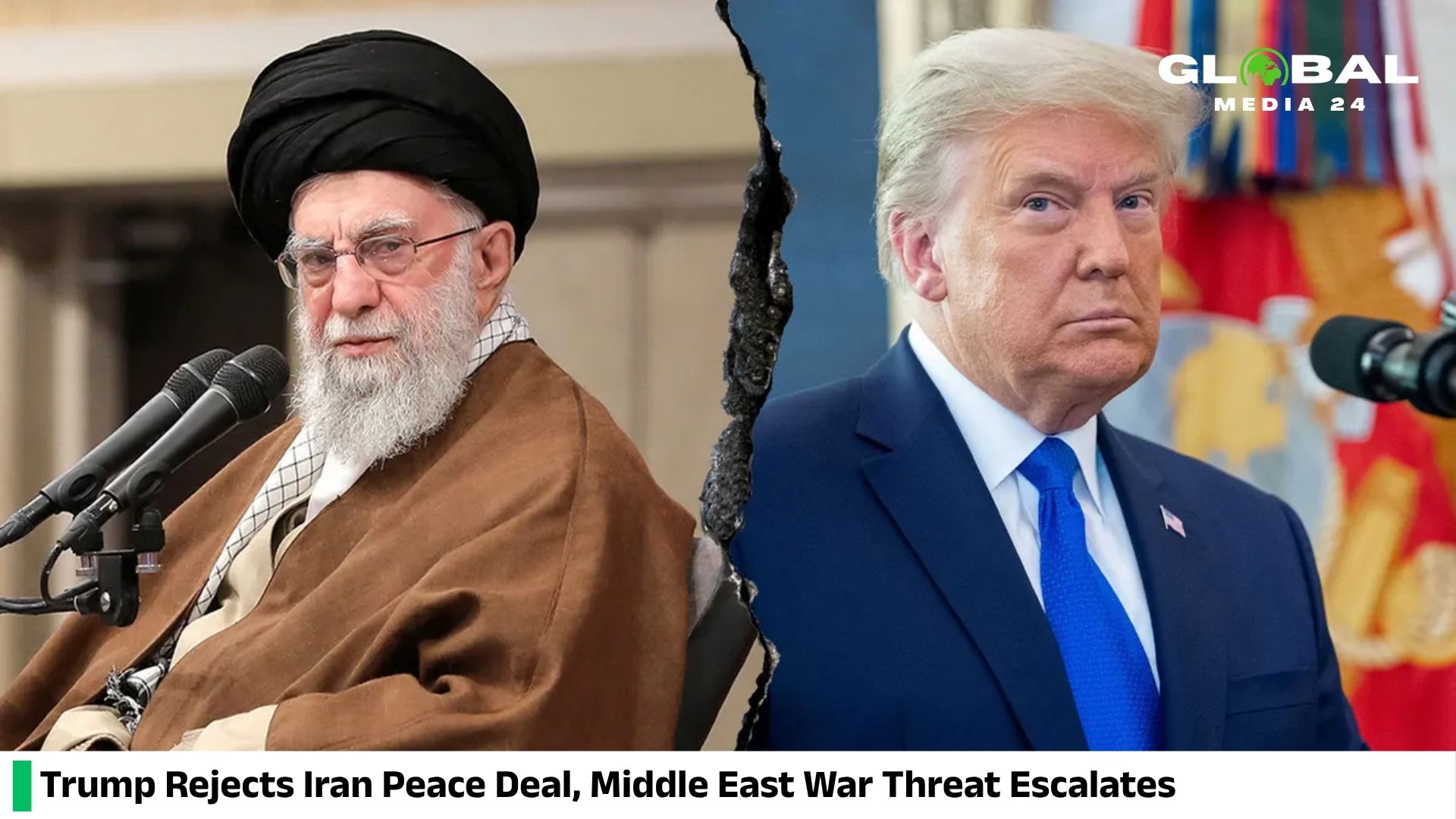
Washington: US President Donald Trump has rejected Iran’s proposal to end the war in the Middle East, which has been ongoing for over two months. He stated that Tehran’s conditions are “completely unacceptable,” thereby heightening the likelihood of a resumption of hostilities following weeks of negotiations.
The American Commander-in-Chief—who faces mounting domestic pressure to bring the war with Iran to a close—asserted that the Islamic Republic has been “militarily defeated.” He further emphasized that Tehran’s nuclear program—one of the primary justifications cited by Trump for initiating the conflict—has been brought under control.
The 79-year-old Republican offered no specific details regarding Tehran’s counter-proposal; however, in a brief post on his Truth Social platform, he announced that he was rejecting it.
What Trump Said:
“I have just read the response from Iran’s so-called ‘representatives.’ I did not like it—absolutely unacceptable!” he declared.
Citing individuals familiar with the matter, The Wall Street Journal reported that Iran had presented its demands to Washington, proposing that a portion of its highly enriched uranium be diluted, while the remainder be transferred to a third country. Sources told the Journal that, in its response—conveyed through the mediator, Pakistan—Iran sought guarantees that if negotiations were to fail, or if Washington were to subsequently withdraw from the agreement, the transferred uranium would be returned.
In rejecting Iran’s response, Trump made no mention of these specific details.
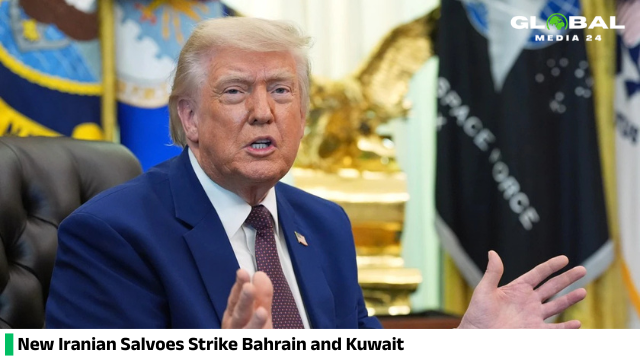
Later, speaking with journalist Sharyl Attkisson, Trump also claimed that the US is “keeping a close watch” on Iran’s stockpile of enriched uranium, adding that if anyone were to approach the site, Washington would detect it and “blow it up.” The US leader stated, “We will get it at some point—whenever we choose. We have it under surveillance. I’ve created something called the Space Force, and they are keeping an eye on it… If anyone gets anywhere near that place, we’ll know—and we’ll blow them up.” Citing US surveillance capabilities, Trump asserted that if anyone were to approach the enriched uranium, Washington would be aware of it. Trump added, “If anyone goes in there, they [the Space Force] can tell you their name, their address, and their badge number.”
Iran’s Response
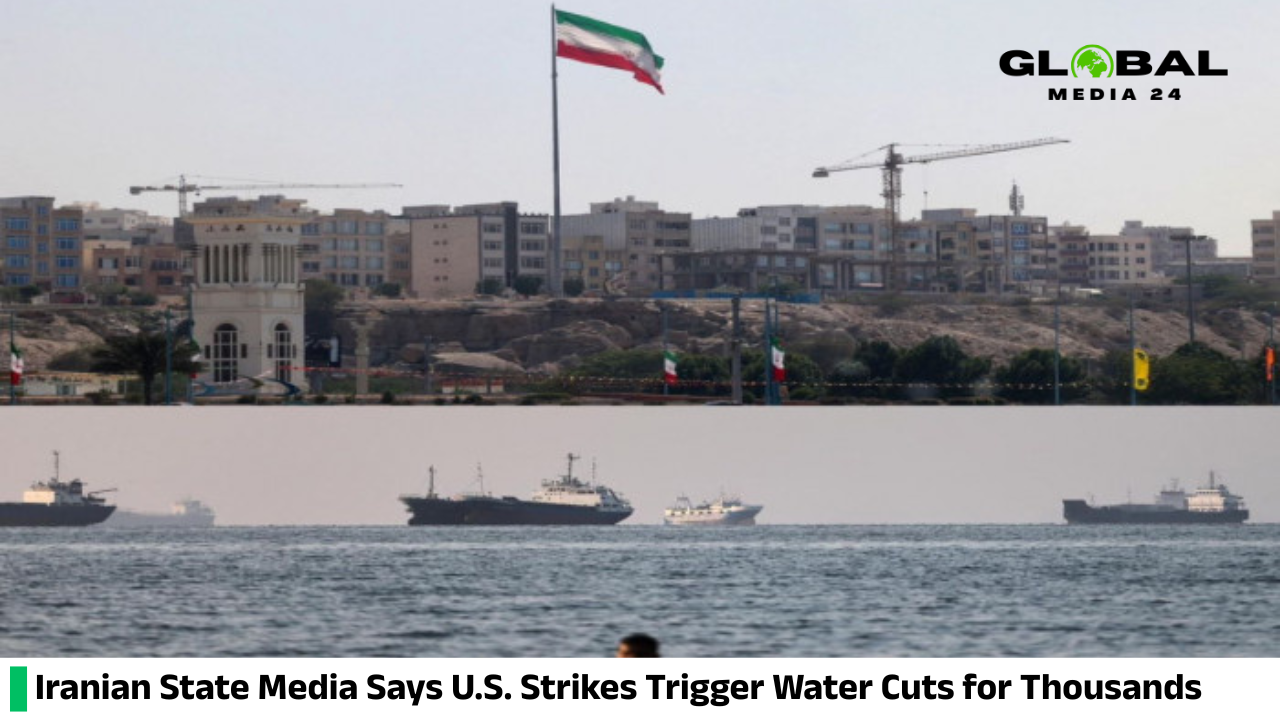
Iran warned that it would not hesitate to retaliate against any new US attack or to prevent additional foreign warships from entering the Strait of Hormuz. Iran’s state television reported that Tehran has also rejected the US counter-proposal, characterizing it as tantamount to a surrender; instead, it has insisted on “war reparations from the US, Iran’s full sovereignty over the Strait of Hormuz, the lifting of sanctions, and the release of seized Iranian assets.”
According to the state broadcaster IRIB, the US plan—conveyed through Pakistani intermediaries—focuses on ending hostilities “on all fronts, particularly in Lebanon” (where Israel remains engaged in conflict with the Iran-backed Hezbollah), as well as on “ensuring shipping security.” Reports suggest that the US proposal also focused on extending the ceasefire in the Gulf to facilitate negotiations regarding a final resolution to the conflict and Iran’s contentious nuclear program.
Despite this behind-the-scenes diplomacy, Tehran publicly maintained its uncompromising stance.
Iranian President Masoud Pezeshkian stated on X: “We will never bow down to the enemy; furthermore, if there is talk of dialogue or negotiation, it does not signify surrender or retreat.” Iran’s new Supreme Leader, Mojtaba Khamenei—who has neither been publicly seen nor heard since the outbreak of the war—issued “new and firm directives to continue operations and engage in a forceful confrontation with the enemy” during a meeting with the Head of the Joint Military Command, the state broadcaster reported, without providing further details.
Netanyahu’s Claim
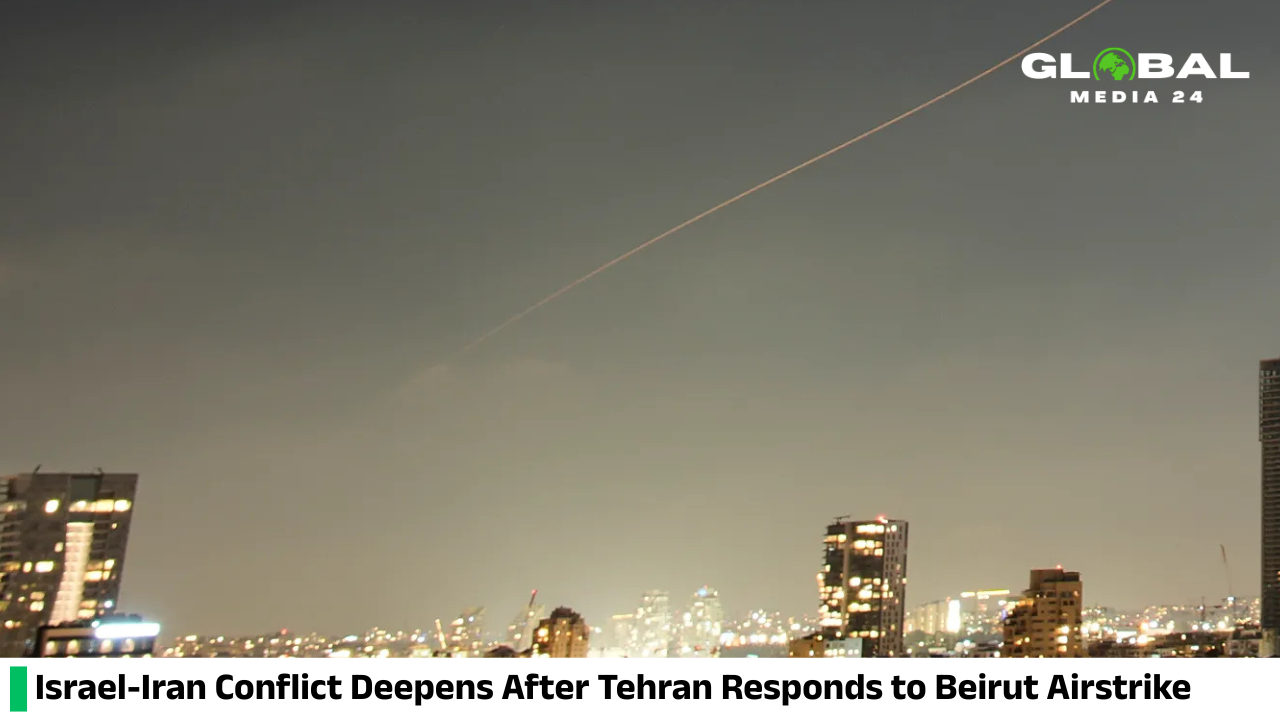
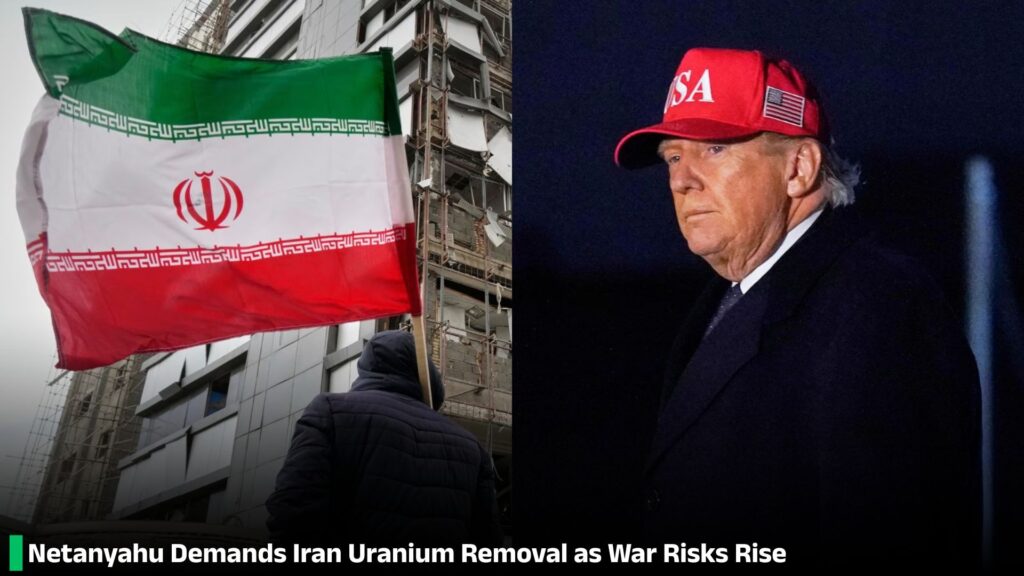
This development unfolded as Israeli Prime Minister Benjamin Netanyahu—whose military, in conjunction with US forces, launched a war against Iran on February 28—insisted that the fighting would not cease until Iran’s enriched uranium was removed and its nuclear facilities were dismantled.
“It is not over yet, because there is still nuclear material—enriched uranium—that must be taken out of Iran,” Netanyahu stated in an interview aired Sunday on the CBS News program 60 Minutes. “There are still enrichment sites that must be eliminated.”
When asked how the uranium could be removed, the Israeli leader replied, “You go in and take it out.”
Netanyahu noted that US President Donald Trump shares this stance, even though Trump has previously asserted that Tehran’s nuclear program has been brought under control.
“I am not going to discuss military methods, but what the President—President Trump—told me was: ‘I want to go in there.'”
The Latest in the War
Since the commencement of hostilities, Iran has imposed a blockade on the vital Strait of Hormuz, sending global oil prices skyrocketing and plunging financial markets into turmoil. Since then, it has established a payment system to collect tolls from ships transiting the Strait; however, U.S. officials have insisted that it would be “unacceptable” for Tehran to control an international waterway—a route for one-fifth of the world’s oil and other essential goods.
Meanwhile, the US Navy is blockading Iranian ports, occasionally halting or diverting vessels entering and exiting the area. Britain and France are spearheading efforts to form an international coalition to secure the strait following the peace agreement, and both nations have already begun deploying ships to the region.
The United Kingdom announced that, this week, the two nations will host a multinational meeting of defense ministers from over 40 countries to discuss military plans for resuming trade flows through the Strait of Hormuz.
However, Iran has issued a warning that if Britain and France deploy their vessels into the strait, they will face a “firm and immediate response.” Deputy Foreign Minister Kazem Gharibabadi posted on X: “Only the Islamic Republic of Iran can ensure security within this strait, and it will not permit any other nation to interfere in such matters.”
French President Emmanuel Macron subsequently emphasized that his country had “never even contemplated” a naval deployment in Hormuz, but rather envisioned a security mission “coordinated with Iran.”