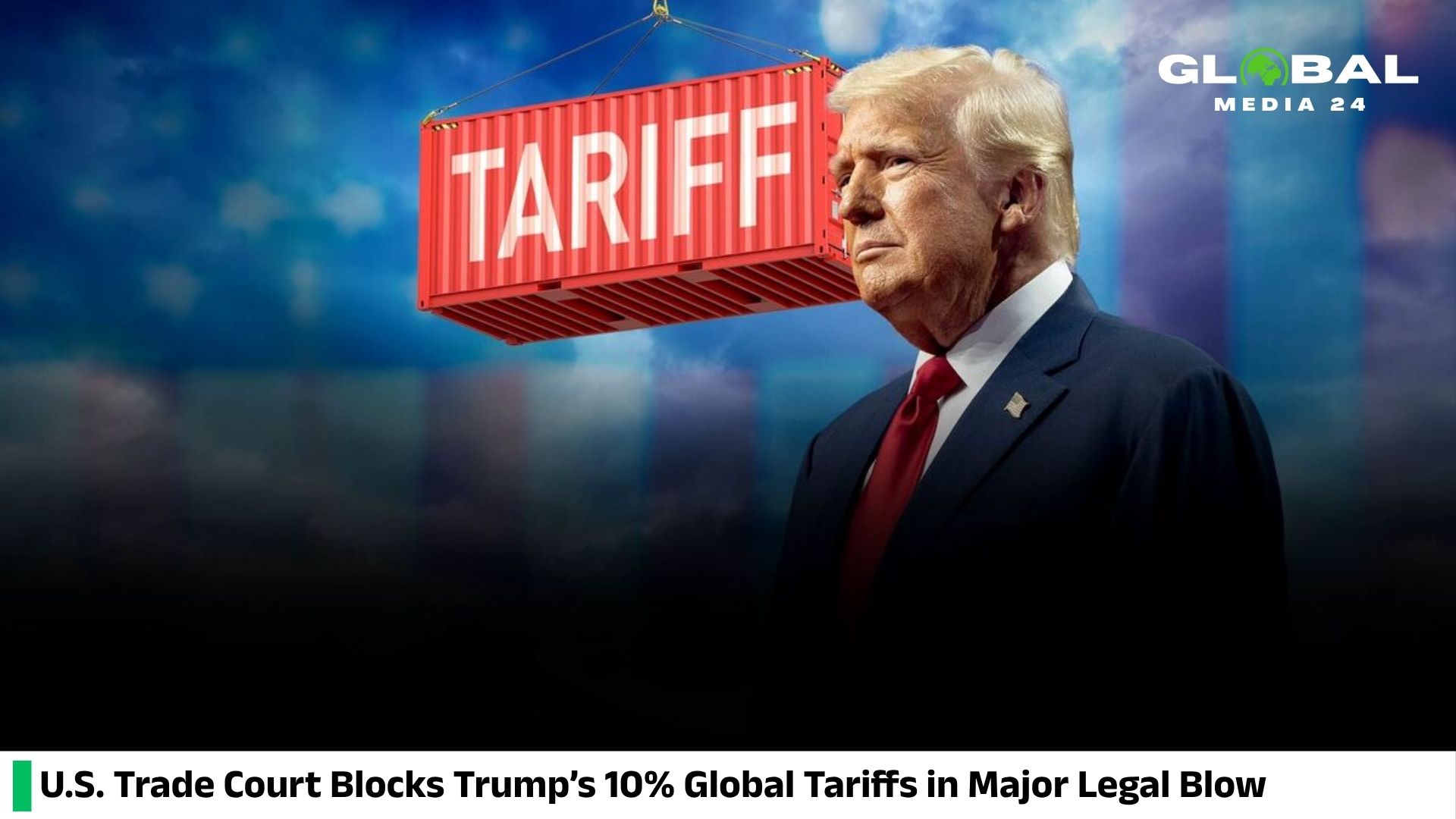
The U.S. Court of International Trade’s 2-1 ruling keeps the temporary tariffs in place for all other importers while any appeal by the Trump administration proceeds. They are expected to lapse in July.
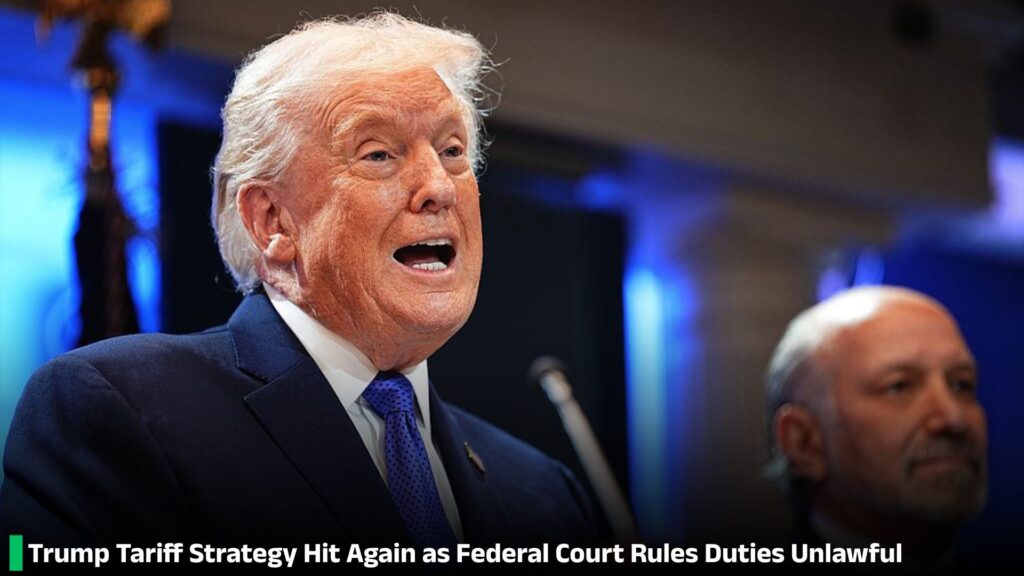
Dealing another blow to President Donald Trump’s tariff strategy, a U.S. trade court ruled that his new 10% temporary global duty is unlawful under a 1970s-era trade statute; however, the court enjoined the levy only for two private importers and the State of Washington.
Under the 2-1 decision by the U.S. Court of International Trade, the temporary tariffs will remain in effect for all other importers until any appeal by the Trump administration is fully resolved. These tariffs are expected to expire in July.
The court ruled that Trump’s imposition of tariffs under Section 122 of the Trade Act of 1974 was unlawful. One judge noted that granting a victory to the plaintiffs at this stage would be premature.
Although this ruling applies to certain levies set to expire in approximately two months, it constitutes another major setback for Trump’s global tariff objectives and comes just one week before he is scheduled to discuss trade tensions with Chinese President Xi Jinping in Beijing.
This decision paves the way for yet another protracted legal battle regarding billions of dollars in tariff refunds. Three months ago, the U.S. Supreme Court struck down major global tariffs imposed by Trump under national emergency statutes.
Trump blamed “two radical left judges” for the trade court’s ruling.
After viewing a renovation project at a reflecting pool in Washington, he told reporters, “So, nothing surprises me about the courts. Nothing surprises me.” He added, “We get a ruling, and we do it a different way.”
The Trump administration still intends to reimpose significant tariffs on major trading partners. To do so, it plans to invoke a third statute—one that has already faced numerous legal challenges. This statute is Section 301 of the Trade Act of 1974, which addresses unfair trade practices. Three Section 301 tariff investigations regarding this matter are currently underway and are expected to be completed in July.
Limited Restraint
The Court of International Trade, based in New York, declined to issue a restraining order that would have halted tariffs for all importers. It rejected a request filed by a group of 24 states—predominantly led by Democrats—ruling that those states lacked the standing to seek such relief.
The ruling stated: “The private plaintiffs offer no specific arguments in support of a universal injunction. Granting relief to a single plaintiff does not constitute a proper basis for imposing a universal injunction. Therefore, the Court declines to grant a universal injunction.” The White House and the Office of the U.S. Trade Representative did not immediately respond to requests for comment.
Dave Townsend, a partner in the International Trade Group at Dorsey & Whitney, remarked: “The United States will undoubtedly appeal this opinion, thereby paving the way for further consideration by the U.S. Court of Appeals for the Federal Circuit and the Supreme Court.” He further added that other importers would now likely seek broader relief from the court—remedies applicable to a wider range of companies.
The Court ruled that, with the exception of Washington, most of the states that filed the lawsuit were not importers who had paid—or were liable to pay—the Section 122 tariffs. Washington presented evidence demonstrating that it had, in fact, paid the tariffs through the University of Washington, a public research institution.
Two small businesses—the toy company Basic Fun! and the spice importer Burlap & Barrel—had argued that the new tariffs represented an attempt to circumvent a landmark U.S. Supreme Court ruling that had struck down a Republican President’s 2025 tariffs imposed under the International Emergency Economic Powers Act. Immediately following the Supreme Court’s ruling, Trump invoked Section 122 of the law, which permits the imposition of duties of up to 15% for a period of 150 days to remedy a severe “balance-of-payments deficit” or to avert an impending decline in the dollar.
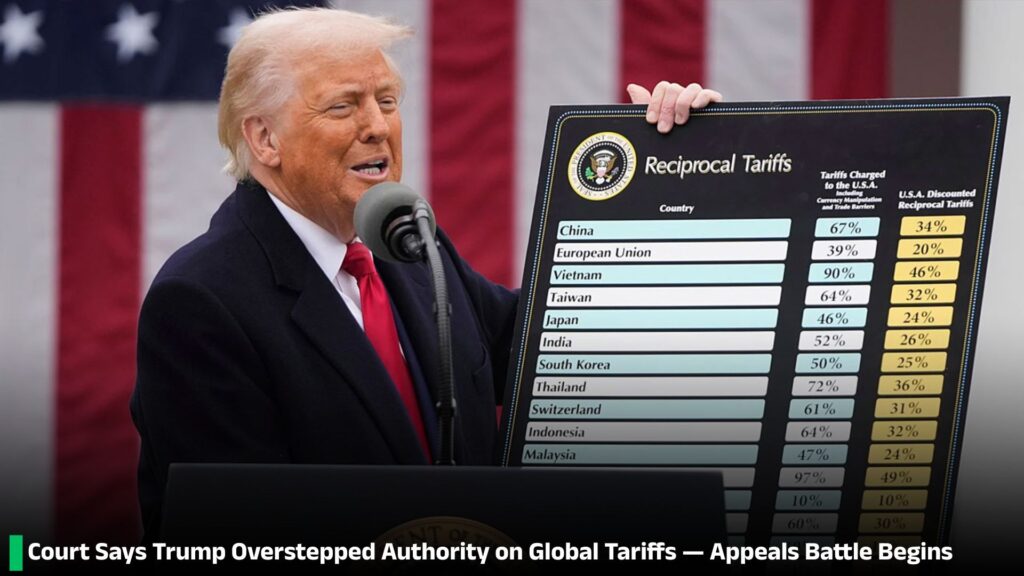
Mismatched Deficit, Court Rules
In its ruling on Thursday, the court determined that this statute was not the appropriate legal instrument for addressing the specific types of trade deficits cited by Trump in his February order.
Jay Foreman, CEO of Basic Fun, stated, “This ruling represents a major victory for American companies that rely on global manufacturing to deliver safe and affordable products. Unlawful tariffs make it difficult for businesses like ours to compete and thrive.”
In a statement, he added, “We are encouraged that the court acknowledged that these tariffs exceeded the President’s authority. This decision provides essential clarity and stability for companies operating within global supply chains.”
Jeffrey Schwab, who represented the importers, noted that limiting the application of this ruling solely to the plaintiffs “undoubtedly raises numerous questions regarding its ultimate implications.”
The Trump administration had asserted that a severe balance-of-payments deficit existed, evidenced by an annual U.S. goods trade deficit of $1.2 trillion and a current account deficit amounting to 4% of GDP.
Many economists had been skeptical of the new Section 122 tariffs from the very beginning—including Gita Gopinath, the former First Deputy Managing Director of the International Monetary Fund—who told Reuters at the time: “We can all agree that the U.S. is not facing a balance-of-payments crisis, which is what happens when countries’ international borrowing costs skyrocket and they lose access to financial markets.”
A former trade official stated that the administration would likely challenge this ruling and could impose permanent tariffs later this year under a different authority.
Ryan Majerus, a former senior official at the U.S. Department of Commerce who now works at the law firm King & Spalding, said: “The administration will appeal this decision, but it will continue to collect the mostly 10% tariffs under Section 122 until July 24, after which we will likely see permanent Section 301 tariffs implemented.” He added that refunds under Section 122 would not be possible until the appeals court issues a ruling on the matter.
Schwab, who represented two small businesses, noted that other companies could also file lawsuits seeking refunds, although this depends to some extent on whether the government appeals the ruling or allows the tariffs to expire as scheduled on July 24.