Get the latest update on rising Lebanon-Israel tensions as Lebanese and Israeli military officials prepare for crucial security talks in Washington. Despite an extended ceasefire, fresh strikes across southern Lebanon continue to escalate regional fears while Beirut remains largely untouched. Read full analysis, ceasefire developments, diplomatic efforts, and what these high-stakes talks could mean for Middle East stability.
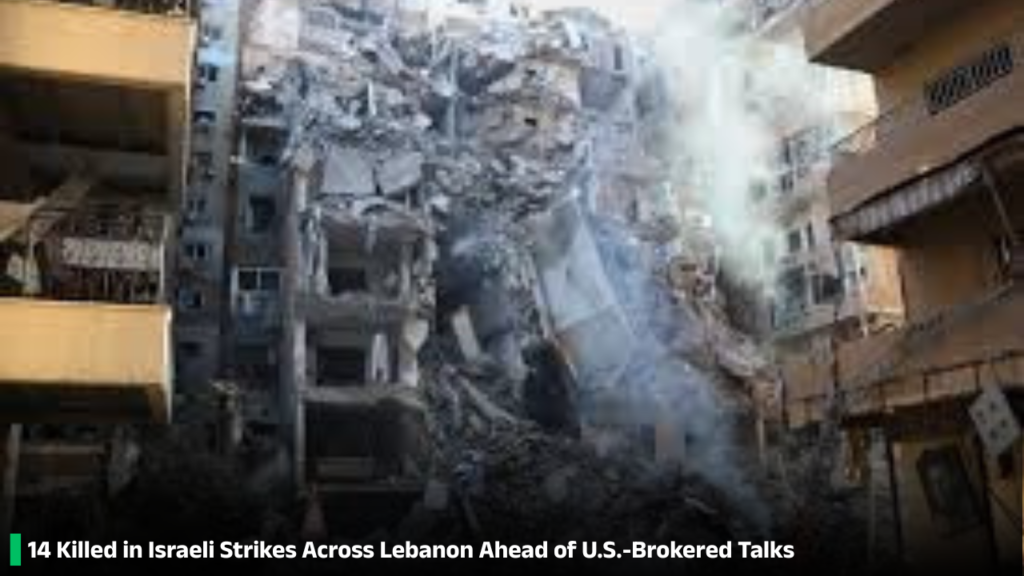
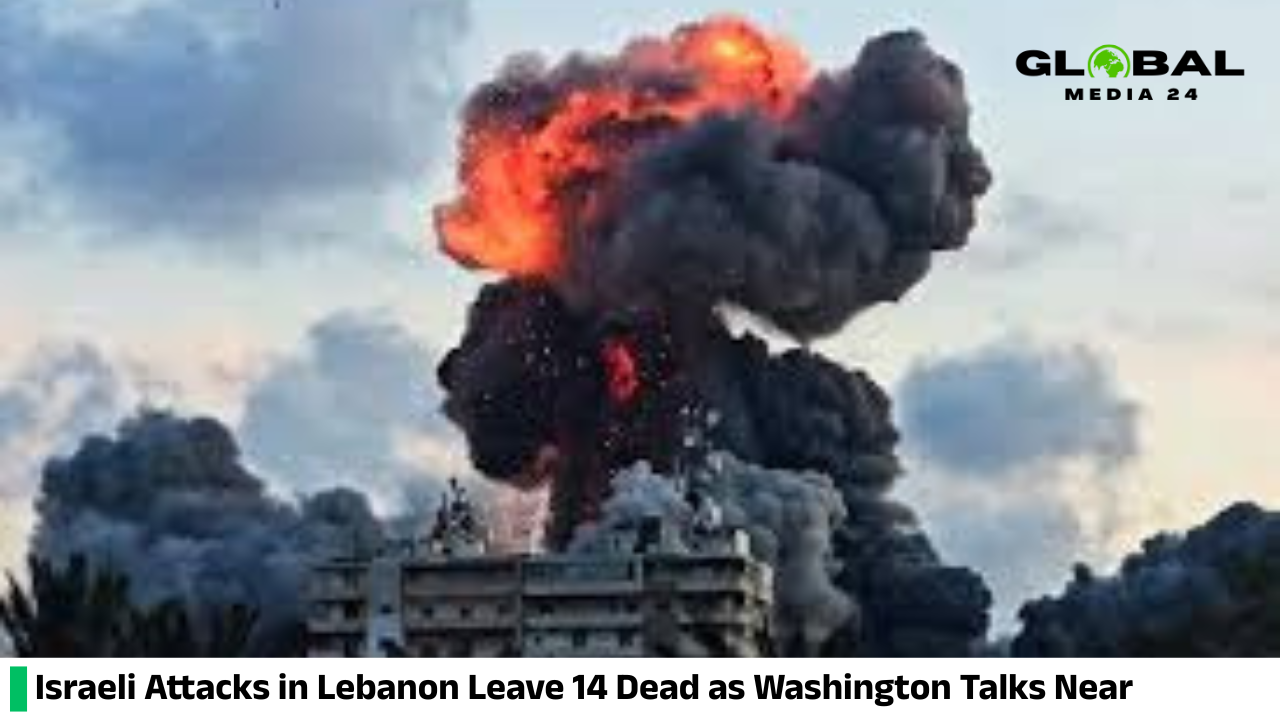
The latest violence between Israel and Hezbollah reflects broader instability across the Middle East. Analysts believe the current conflict risks becoming a prolonged regionTensions in the Middle East have escalated once again after Israeli military strikes across southern Lebanon killed at least 14 people on Thursday, raising fears that the conflict between Israel and Hezbollah could spiral into a wider regional war. The attacks came just hours before planned security talks between Lebanese and Israeli military officials in Washington, talks that many hoped could reduce violence along the border.
According to Lebanese officials, the Israeli military launched a series of heavy airstrikes and drone attacks across multiple locations in southern Lebanon, including the cities of Tyre, Sidon, Nabatiyeh, and nearby coastal towns. Among those killed were women, children, civilians fleeing the conflict, and a Lebanese soldier. Dozens of others were injured as residential buildings, vehicles, and public areas were hit during the escalation.
The latest wave of violence highlights how fragile the current ceasefire arrangement remains. Although a temporary truce reportedly came into effect on April 17, both Israel and Hezbollah have continued exchanging attacks almost daily. The situation has now become one of the most dangerous periods in the region since the conflict first intensified.
Israeli Military Expands Lebanon Operations
Israeli Prime Minister Benjamin Netanyahu recently announced an expansion of military operations in Lebanon. Israeli officials claim the increased attacks are a response to Hezbollah’s growing use of advanced fibre-optic exploding drones. These drones have reportedly targeted Israeli troops operating near the border and even reached northern Israeli towns.
Israeli military officials argue that Hezbollah’s drone operations represent a serious security threat that cannot be ignored. As a result, the Israeli Defense Forces have intensified air raids targeting suspected Hezbollah infrastructure, drone launch sites, and transportation routes inside Lebanon.
However, the strikes have also caused significant civilian casualties, drawing criticism from humanitarian organizations and international observers. Many Lebanese civilians accuse Israel of targeting areas filled with displaced families who had already fled earlier violence near the border.
Deadly Attacks in Sidon and Tyre
One of the deadliest incidents occurred in the coastal city of Sidon, where an Israeli drone strike hit an apartment building sheltering displaced families. The attack killed five people and injured more than twenty others, including several children.
Among those killed was Hossan Zeidan, a former correspondent for Iran’s Arabic-language television network al-Aalam. His death has added further political tension to the already volatile conflict.
Residents described scenes of panic and destruction following the strike. Nearby buildings suffered heavy damage as shattered glass and debris spread across the area. Families who had escaped fighting in southern Lebanon suddenly found themselves trapped once again in another deadly attack.
In another devastating incident, an Israeli drone targeted a car carrying a family fleeing violence near the coastal town of Adloun. Lebanese health authorities said six people were killed, including two children and their parents. The attack shocked local communities and fueled anger over the growing civilian death toll.
Meanwhile, near Tyre, another drone strike killed two people riding a motorcycle. Lebanese media reported that the intended target of the strike was still unclear.
Lebanese Soldier Killed in Drone Strike
The Lebanese military also confirmed that one of its soldiers was killed in a separate Israeli drone strike near Nabatiyeh. According to military officials, the soldier was riding a motorcycle when the attack occurred.
The death of a Lebanese soldier raises concerns that the conflict could increasingly involve Lebanon’s national armed forces, not just Hezbollah fighters. Analysts warn that such incidents could create additional instability and push Lebanon deeper into the conflict.
Lebanese authorities strongly condemned the strikes, accusing Israel of violating Lebanese sovereignty and causing unnecessary civilian suffering.
Hezbollah Drone Attack Kills Israeli Soldier
While Lebanon faced intense Israeli bombardment, Hezbollah also launched attacks into northern Israel. The Israeli military confirmed that one Israeli soldier was killed in a Hezbollah drone attack and two reservists were wounded.
The exchange demonstrates how both sides continue escalating their military operations despite diplomatic efforts aimed at preventing a larger war. Hezbollah has increasingly relied on drone warfare as part of its strategy, allowing the group to strike Israeli military positions while avoiding direct ground confrontations.
Israeli officials have repeatedly warned that Hezbollah’s growing drone capabilities could dramatically change the nature of the conflict if left unchecked.
Washington Security Talks Under Global Attention
The latest escalation comes ahead of important security talks scheduled to take place in Washington between Lebanese and Israeli military representatives. These discussions mark the first direct security talks between the two sides in months and are being closely watched by international diplomats.
The United States hopes the talks can strengthen the fragile ceasefire and prevent further escalation along the Israel-Lebanon border. However, expectations remain low after both sides intensified attacks even before negotiations began.
Hezbollah has openly dismissed the Washington talks and instead backed Iran’s position on regional diplomacy. Iran reportedly considers an end to the Lebanon conflict a key condition in its own negotiations with Washington, which are being mediated by Pakistan.
This growing regional dimension has increased fears that the conflict could expand beyond Lebanon and Israel, potentially involving Iran and other regional powers.
Civilians Continue to Suffer
As military operations intensify, ordinary civilians remain caught in the middle of the conflict. Thousands of families across southern Lebanon have already fled their homes due to continuous Israeli airstrikes and artillery attacks.
Schools, residential buildings, and civilian infrastructure have suffered extensive damage. Humanitarian groups warn that the worsening situation could create a deeper refugee crisis and increase pressure on Lebanon’s already struggling economy.
Residents in many Lebanese towns spent the night hiding indoors or attempting to evacuate to safer areas. Fear continues to spread as drone attacks and airstrikes become increasingly unpredictable.
At the same time, communities in northern Israel also remain under constant threat from Hezbollah rocket and drone attacks, forcing residents to seek shelter frequently.
Middle East Tensions Reach Danal confrontation if diplomatic efforts fail.
With civilian casualties rising on both sides and political tensions deepening, global leaders are calling for restraint and renewed diplomatic negotiations. However, neither Israel nor Hezbollah appears willing to reduce military pressure at this stage.
As Washington prepares to host critical security discussions, the world will closely monitor whether diplomacy can succeed where military escalation continues to fail. For now, the people of Lebanon and northern Israel remain trapped in a dangerous conflict with no clear end in sight.