
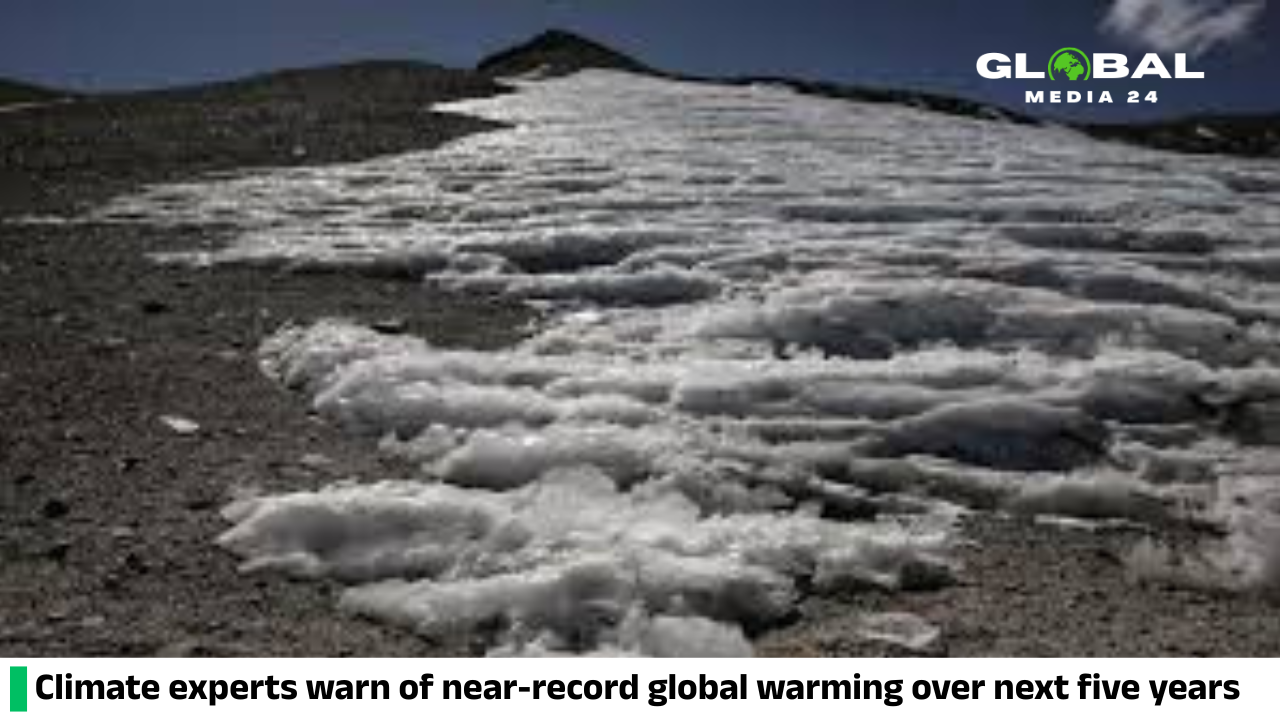
Global temperatures are expected to remain near record highs over the next five years, raising concerns about extreme heatwaves, climate disasters, rising sea levels, and global environmental risks. Discover how the latest climate report warns of accelerating global warming and its impact on weather, ecosystems, and daily life worldwide.
The world is heading toward another dangerous climate milestone. According to a new report released by the United Nations weather agency and the UK Met Office, global temperatures are expected to remain near record-breaking levels over the next five years. Scientists have warned that the Arctic region is heating up much faster than the rest of the planet, increasing the risk of extreme weather events, rising sea levels, and environmental instability worldwide.
The report highlights growing concerns that the Earth may temporarily cross the critical 1.5 degrees Celsius warming threshold established under the Paris Climate Agreement. Experts say the window to prevent severe climate damage is closing rapidly, making immediate global action more important than ever.
Global Temperatures Expected to Rise Further
Researchers predict that annual global temperatures between 2026 and 2030 could range from 1.3°C to 1.9°C above pre-industrial levels recorded between 1850 and 1900. This alarming forecast suggests that several upcoming years may become the hottest ever recorded in modern history.
Climate scientists believe the continuing increase in greenhouse gas emissions is the main reason behind rising temperatures. Burning fossil fuels such as coal, oil, and natural gas releases carbon dioxide into the atmosphere, trapping heat and causing global warming.
Melissa Seabrook, a climate scientist from the UK Met Office, explained that evidence clearly shows the Earth is continuing to warm. She warned that temperature increases are becoming more frequent and more intense with each passing year.
Paris Agreement and the 1.5°C Threshold
In 2015, world leaders signed the Paris Agreement to try limiting global warming to 1.5°C above pre-industrial levels. Scientists believe crossing this level significantly increases the risk of severe climate disasters including floods, droughts, wildfires, hurricanes, and food shortages.
The latest climate report states that at least one year between 2026 and 2030 is very likely to exceed the 1.5°C threshold temporarily. However, experts clarified that this does not automatically mean the Paris Agreement has officially failed because the agreement measures long-term average temperatures over two decades rather than a single year.
Still, researchers say the repeated crossing of this limit is a dangerous sign that the world is getting closer to permanent climate instability.
2024 May Lose Its Record as Hottest Year
The year 2024 shocked scientists after becoming the warmest year ever recorded globally. Temperatures crossed the 1.5°C warming mark for the first time, creating major concerns among climate experts.
Now, scientists believe another year between 2026 and 2030 could become even hotter than 2024. If this happens, it would continue a worrying trend of rising temperatures and increasing climate extremes around the world.
The report suggests that stronger heatwaves, more destructive storms, and longer droughts may become increasingly common as temperatures continue rising.
Arctic Warming Faster Than the Rest of the Planet
One of the most concerning findings in the report involves the Arctic region. Scientists predict Arctic winter temperatures will rise around 2.8°C above average levels during the next five years. This is more than three and a half times faster than the global average warming rate.
Rapid Arctic warming is causing sea ice to melt at dangerous levels. Areas including the Barents Sea, Bering Sea, and Sea of Okhotsk are expected to see significant ice loss during the month of March over the coming years.
Melting Arctic ice affects more than just polar regions. Climate experts warn that Arctic changes can disrupt weather systems worldwide, leading to stronger storms, unusual rainfall patterns, freezing winters in some areas, and extreme heat in others.
More Extreme Weather Expected Worldwide
The climate report predicts wetter conditions across many northern hemisphere regions during the next five winters. Northern Europe, Alaska, Siberia, and parts of the Sahel region in Africa are expected to receive above-average rainfall.
At the same time, some regions could face dangerous dry conditions. Scientists specifically warned about the Amazon rainforest, where reduced rainfall could increase the risk of drought and forest fires.
Extreme weather events linked to climate change have already become more common in recent years. Heatwaves across Europe, floods in Asia, and wildfires in North America are examples of how rising temperatures are impacting communities globally.
Experts warn that without stronger climate action, these disasters could become even more severe and frequent.
El Niño Could Push Temperatures Even Higher
Another major factor behind rising temperatures is the expected return of a strong El Niño weather pattern later this year. El Niño occurs when sea surface temperatures in the central and eastern Pacific Ocean become unusually warm.
This natural climate event typically lasts between nine and twelve months and often causes global temperatures to rise further.
Scientists believe the upcoming El Niño could continue into 2027, potentially helping drive global temperatures to new record highs. Combined with ongoing greenhouse gas emissions, this could create extremely dangerous climate conditions worldwide.
El Niño can also affect rainfall patterns, agriculture, and storm activity across many countries, increasing risks for food supplies and economies.
Scientists Warn Time Is Running Out
Climate experts say immediate action is needed to reduce emissions and slow global warming before temperatures permanently exceed dangerous limits.
Many countries have promised to transition toward cleaner energy sources such as solar power, wind energy, and electric transportation. However, scientists argue that current efforts are still not enough to prevent worsening climate impacts.
The United Nations has repeatedly urged governments and businesses to accelerate climate policies, reduce fossil fuel dependence, and invest more heavily in renewable energy systems.
Environmental groups also stress the importance of protecting forests, oceans, and natural ecosystems that absorb carbon dioxide from the atmosphere.
What Rising Temperatures Mean for Everyday Life
Global warming is not just an environmental issue — it directly affects human health, economies, food production, and daily life.
Rising temperatures can increase heat-related illnesses, damage crops, raise electricity demand, and worsen water shortages. Coastal cities also face growing threats from sea-level rise caused by melting glaciers and polar ice.
Farmers, businesses, and governments worldwide may need to adapt to changing weather conditions and increasing climate uncertainty over the coming decades.
Experts believe that every fraction of a degree matters. Even small reductions in emissions can help reduce the severity of future climate impacts.
Conclusion
The latest UN climate report delivers another urgent warning about the future of the planet. With global temperatures expected to approach or exceed record highs in the next five years, scientists say the world is entering a critical period for climate action.
The possibility of surpassing the 1.5°C warming threshold more frequently highlights the growing risks facing humanity. From Arctic ice melt to stronger storms and rising heatwaves, climate change is already reshaping weather patterns across the globe.
While experts say there is still time to avoid the worst outcomes, they warn that immediate action is essential. Governments, industries, and individuals all have a role to play in reducing emissions and building a more sustainable future before the climate crisis becomes even more dangerous.