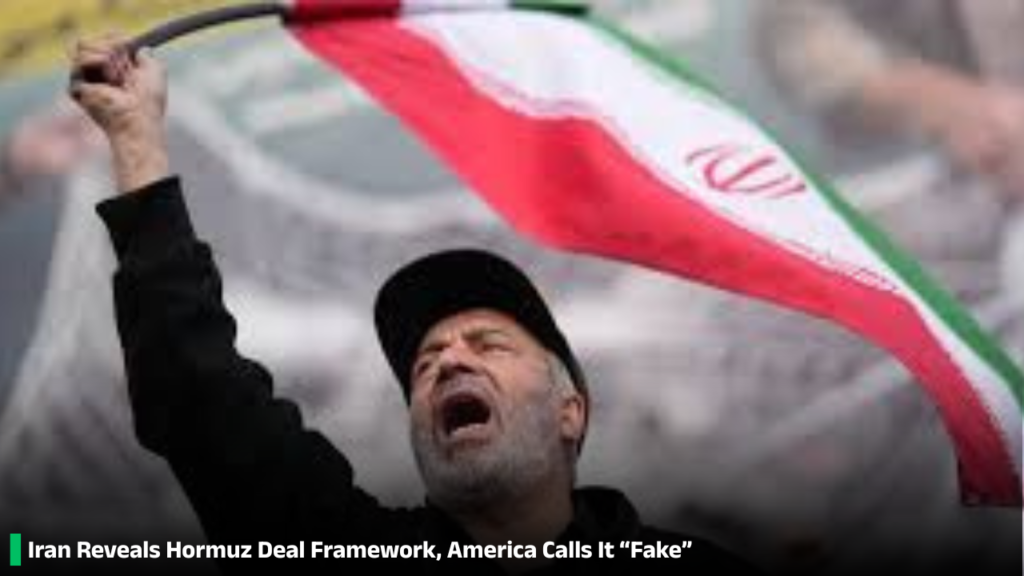
Iran’s state television revealed details of a possible draft memorandum of understanding linked to ongoing diplomatic talks, though officials confirmed the agreement has not yet been finalised. The development has sparked global attention as tensions remain high over regional negotiations and international relatio.
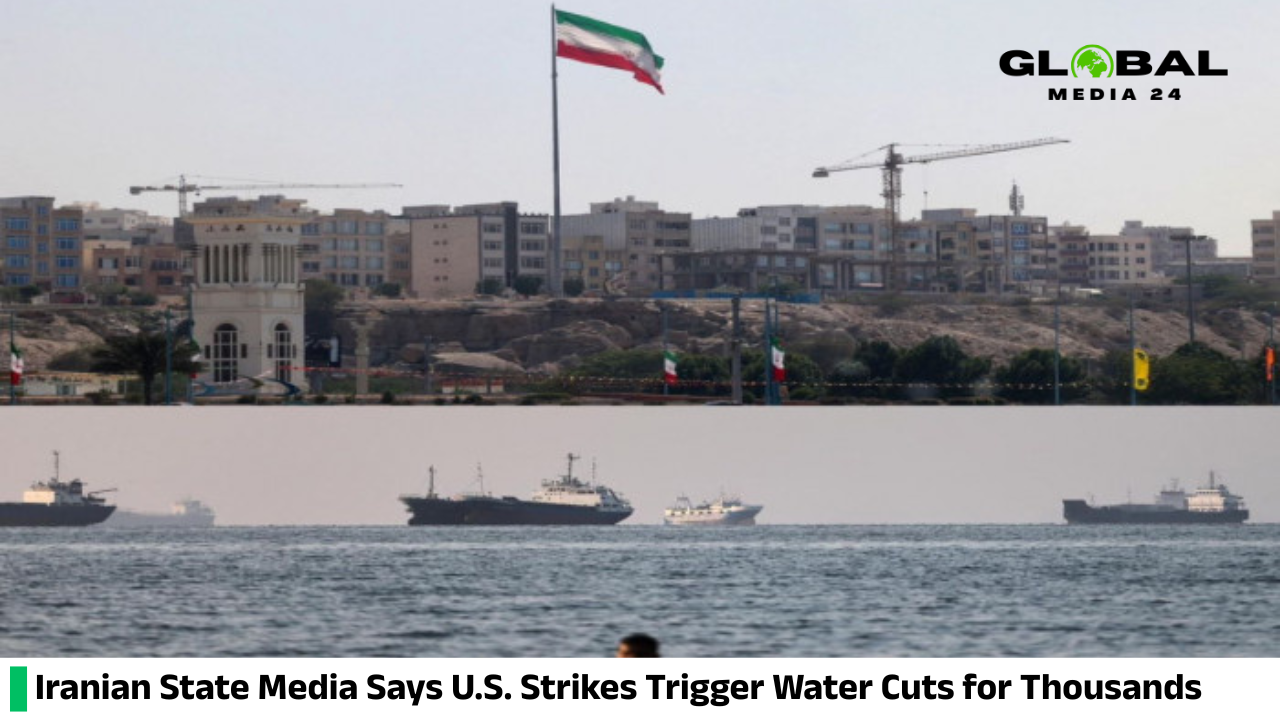
The latest developments have once again placed global attention on the Strait of Hormuz, one of the world’s most important oil transit routes. Any disruption in this narrow waterway directly impacts international oil prices, global trade, and geopolitical stability across the Middle East.
According to reports from Iranian state television, Tehran and Washington are discussing a potential “memorandum of understanding” that would ease military tensions and restore commercial shipping operations in the Gulf region. Although Iranian media claimed progress had been made, officials also admitted that the document had not yet been finalized.
Iran Says Shipping Could Return To Pre-War Levels
Iran stated that the proposed agreement would allow commercial shipping through the Strait of Hormuz to return to pre-war levels within the next month. The waterway has experienced severe disruptions during recent weeks due to military threats, naval tensions, and fears of escalation between Iran and the United States.
Under the reported framework, Iran would continue to oversee shipping lanes, inspect vessels, and charge service fees for ships using the strategic route. However, the reopening would reportedly not apply to military vessels, indicating that security concerns remain a major issue.
Iranian media also claimed that the United States had agreed to stop what Tehran described as a “naval blockade” and cease interference with ships entering or leaving Iranian waters. In return, Iran would permit commercial maritime traffic to resume under regulated conditions.
The Strait of Hormuz remains critical for global energy markets because a significant percentage of the world’s oil exports passes through the narrow channel every day. Even small disruptions in the area can trigger sharp movements in crude oil prices worldwide.
US Denies Draft Agreement, Calls Report False
Shortly after Iranian state television released details of the alleged framework agreement, the White House strongly denied the report.
In a statement posted on social media, US officials described the memorandum as entirely false and warned people not to trust Iranian state-controlled media. The White House stated that no such finalized agreement currently exists and dismissed the claims as fabricated information.
The sharp denial highlights the continuing lack of trust between both countries despite ongoing diplomatic contacts and mediation efforts led by regional partners including Pakistan.
Political analysts believe the conflicting narratives demonstrate how sensitive the negotiations remain. While Iran appears eager to show signs of diplomatic progress, Washington is attempting to avoid public confusion regarding ongoing military and political discussions.
US Military Launches Fresh Strikes In Southern Iran
Despite reports of peace negotiations, military tensions have continued to rise.
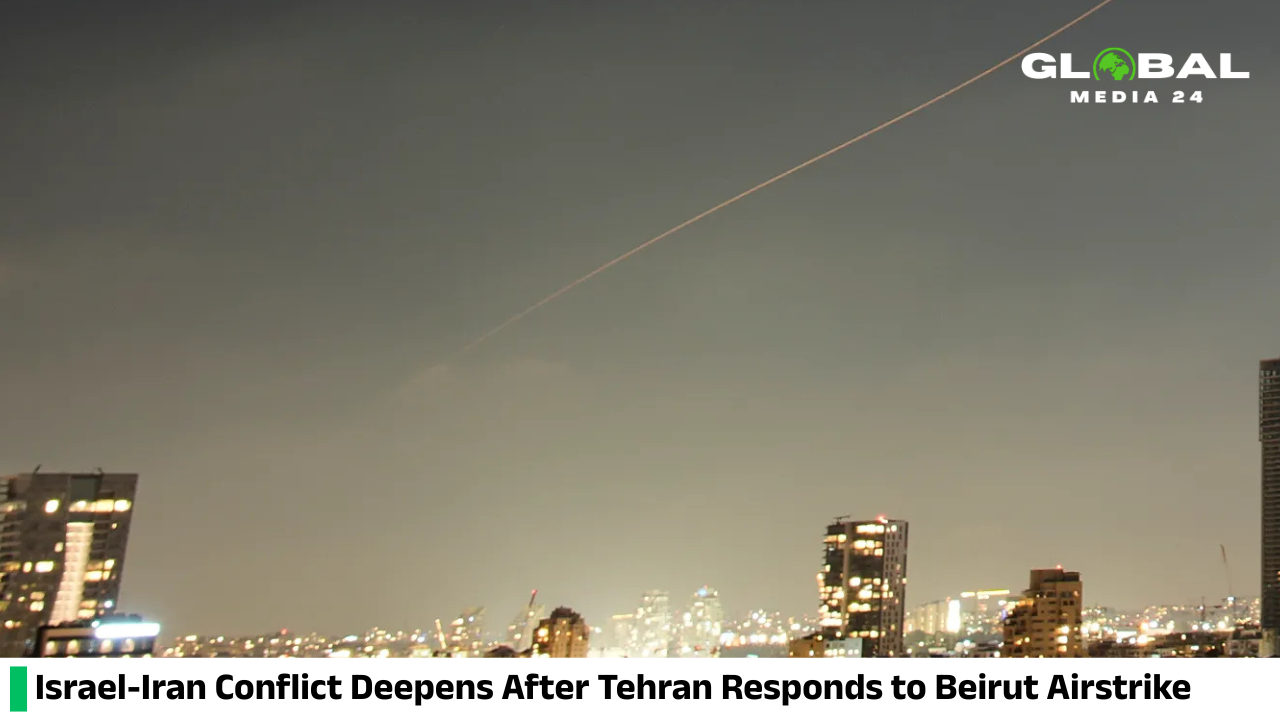
The United States military reportedly launched new strikes targeting Iranian missile facilities and boats allegedly attempting to place naval mines in southern Iranian waters. American officials described the operation as a defensive action designed to protect maritime security and international shipping routes.
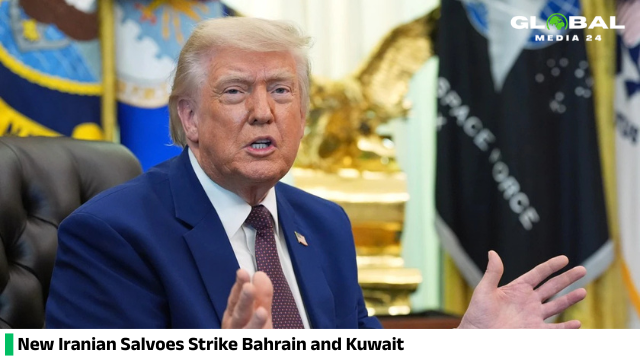
The strikes came only hours before former US President Donald Trump issued a fresh warning regarding Iran’s nuclear program. Trump stated that Iran should surrender its enriched uranium stockpile to the United States for destruction or allow it to be destroyed inside Iran under international supervision.
The renewed military activity has fueled fears that the region could once again move toward a direct confrontation despite diplomatic discussions taking place behind the scenes.
Iran Says Full-Scale War Appears Unlikely
Even as tensions remain high, Iranian officials indicated that a full-scale war with the United States appears unlikely at this stage.
Iran stated that while it remains prepared to retaliate against further attacks, both sides seem interested in preventing the conflict from escalating beyond current levels. The comments followed accusations from Tehran that Washington had violated an earlier ceasefire agreement reached in April.
Diplomatic observers believe both nations are trying to balance military pressure with negotiation efforts. Iran continues to project strength domestically while also signaling openness to talks that could ease sanctions and reduce economic pressure.
Meanwhile, the United States appears focused on preventing disruptions to global energy markets and maintaining stability in the Gulf without becoming involved in another prolonged regional war.
Why The Strait Of Hormuz Matters To The World
The Strait of Hormuz is one of the most strategically important waterways on the planet. Located between Iran and Oman, the narrow passage connects the Persian Gulf to the Arabian Sea and serves as a major route for global oil shipments.
Experts estimate that nearly one-fifth of the world’s oil supply travels through the strait daily. Because of this, any threat to shipping activity immediately affects global energy prices, stock markets, and inflation concerns worldwide.
In recent weeks, fears of possible closures or military attacks near the strait caused oil prices to surge sharply. However, reports suggesting a possible reopening agreement between Iran and the United States temporarily eased some market concerns.
Energy analysts warn that uncertainty still remains extremely high because no official agreement has been confirmed by both sides.
Uncertain Future For US-Iran Relations
Although diplomatic discussions appear to be continuing, the future of relations between Tehran and Washington remains uncertain.
The reported framework agreement, if eventually confirmed, could open the door for broader negotiations involving sanctions, military activity, regional security, and nuclear concerns. However, deep mistrust between both governments continues to create major obstacles.
The next 60 days could become crucial if negotiations officially move forward. According to the Iranian draft report, both nations may enter a formal negotiation period aimed at reaching a final agreement that could potentially receive approval from the United Nations Security Council.
For now, the situation remains highly fluid. Military actions, political statements, and diplomatic efforts are all unfolding simultaneously, making the Middle East one of the world’s most closely watched regions once again.
As global markets react to every new development, the possibility of a reopening of the Strait of Hormuz could significantly impact oil prices, international trade, and geopolitical stability in the coming weeks.