OPEC+ will raise oil output by 188,000 barrels per day in June, slightly below last month’s 206,000 bpd increase. The decision comes at its first meeting since the United Arab Emirates exited the group. Meanwhile, Middle East oil exports remain heavily restricted due to the ongoing Iran conflict.
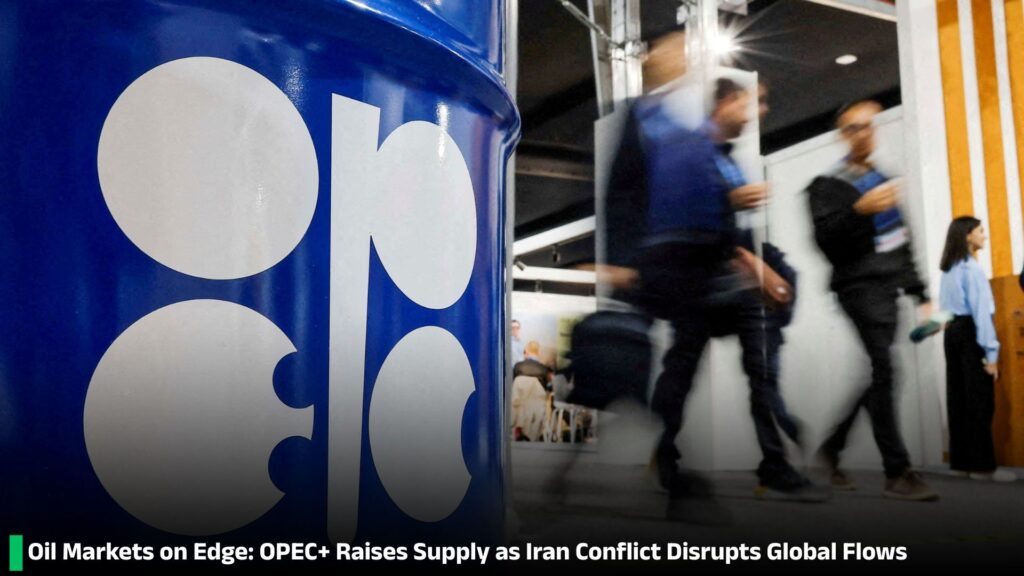
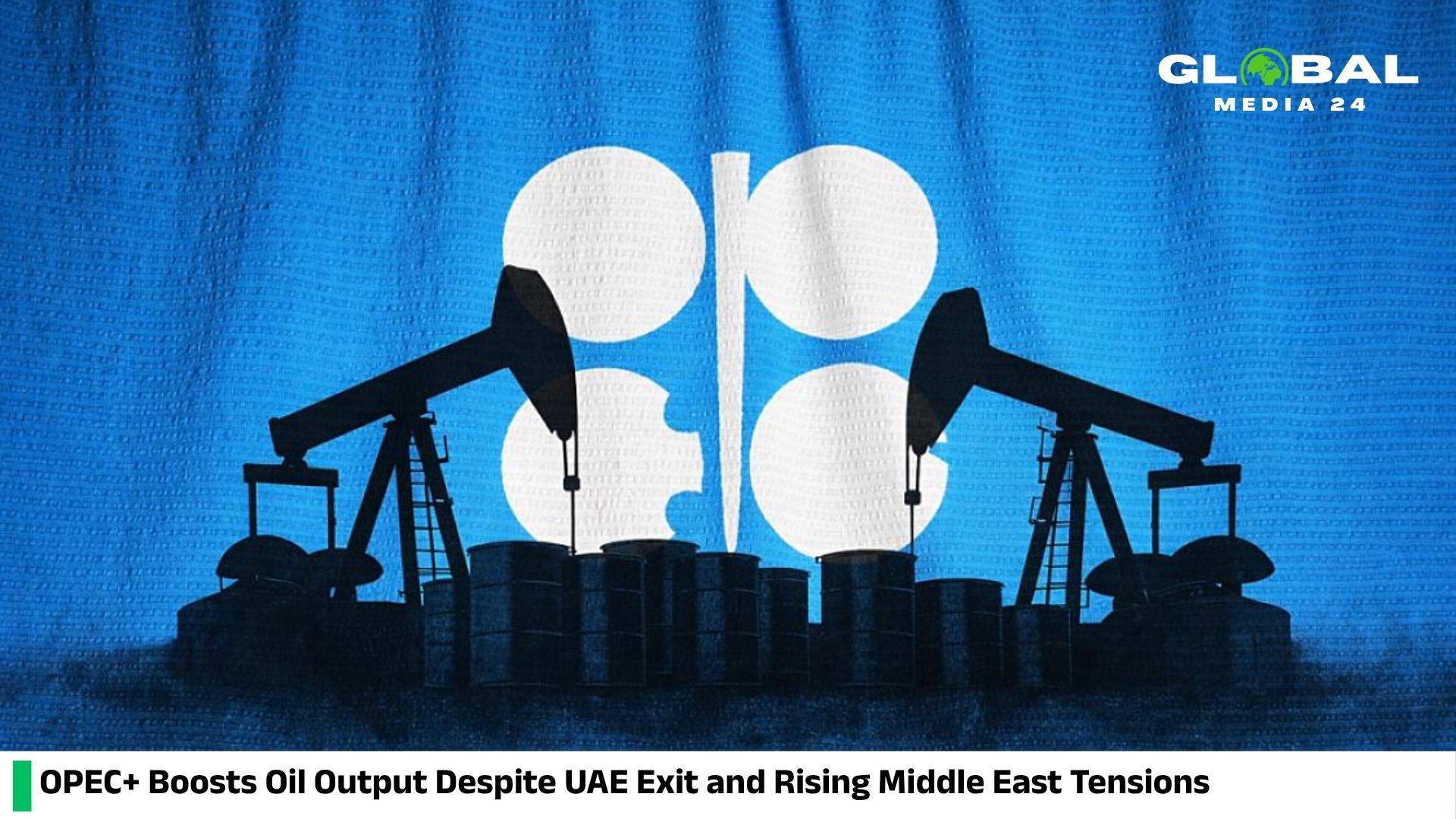
OPEC+ stated on Sunday that, in its first meeting following the departure of its key member—the United Arab Emirates—it is moving forward with production plans and has agreed to increase oil output by 188,000 barrels per day.
The group of seven major oil producers announced that, in June, they would implement a production increase slightly lower than the 206,000 bpd hike seen in May. Sunday’s figures do not include the output share of the United Arab Emirates, which officially withdrew from OPEC on May 1.
These seven nations included Saudi Arabia, Russia, Iraq, Kuwait, Kazakhstan, Algeria, and Oman.
In its statement, OPEC noted: “In fulfillment of their collective commitment to support oil market stability, the seven participating countries have decided to implement a production adjustment of 188,000 barrels per day, stemming from the additional voluntary adjustments announced in April 2023.”
Since the outbreak of the conflict involving Iran on February 28, oil supplies have been disrupted, as the Strait of Hormuz—a vital shipping lane for global oil and gas supplies—remains effectively closed. Oil prices fell on Friday after Iran conveyed an updated peace proposal to mediators in Pakistan, thereby renewing hopes that a diplomatic resolution with the U.S. remains possible.
U.S. crude oil futures closed 3% lower at $101.94 per barrel. The international benchmark, Brent crude, dropped approximately 2% to $108.17. Both benchmarks remain up by roughly 78% since the beginning of 2026.
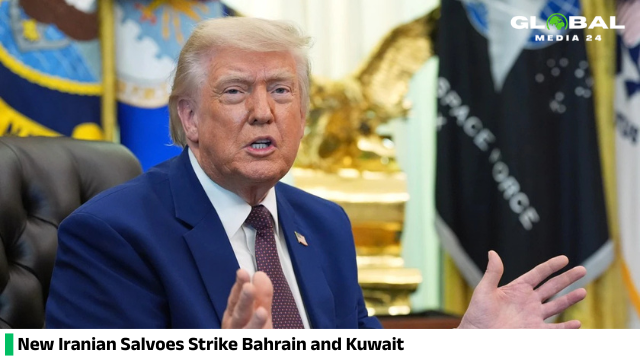
U.S. President Donald Trump stated on Saturday that he has been briefed on the concept of a potential deal with Iran, but is currently awaiting the precise wording; he also warned that the possibility of renewed attacks against the country remains if Tehran engages in misconduct. Citing a senior Iranian official on Saturday, Reuters reported that a proposal from Iran—which Trump has so far rejected—would reopen shipping in the Strait of Hormuz and lift the U.S. blockade on Iran, while discussions regarding Iran’s nuclear program would be deferred to a later date.
Concerns regarding production intensified on Tuesday following reports of the sudden withdrawal of the UAE, the cartel’s third-largest producer. In a written statement, the Ministry of Energy stated that, following a comprehensive review of its production policy and capacity, the Gulf nation concluded that withdrawing from the group serves its national interest.
The UAE has played a pivotal role in OPEC’s decision-making for nearly six decades; as of February, it stood as the group’s third-largest oil producer, following Saudi Arabia and Iraq.