he US has approved the sale to Israel of up to 10,000 Advanced Precision Kill Weapon System-II All-Up Rounds, valued at $992.4 million and produced by BAE Systems.
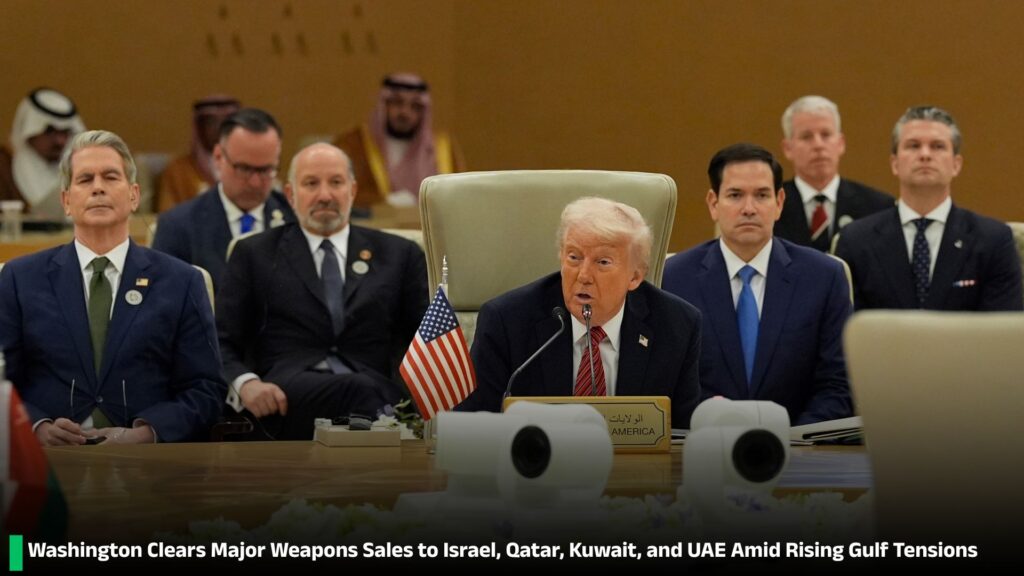
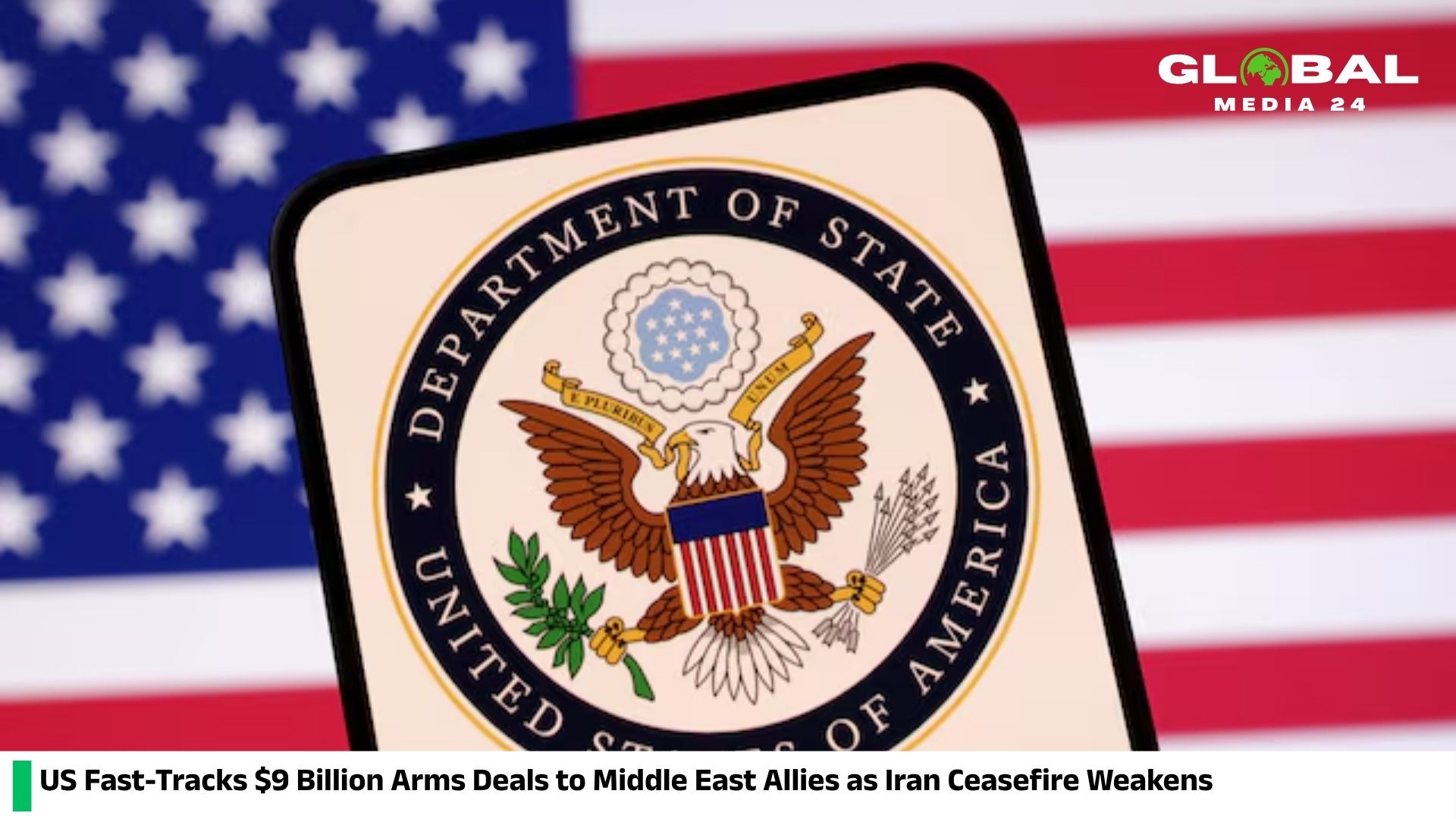
Secretary of State Marco Rubio has authorized the expedited shipment of weapons to Israel, Kuwait, Qatar, and the United Arab Emirates. Bypassing standard Congressional review, he approved the transfer of air defense missiles and laser guidance systems to the Middle East, as the ceasefire in the conflict involving Iran appears increasingly fragile.
According to the State Department, these agreements are valued at approximately $9 billion.
The Department authorized the sale to Israel of 10,000 Advanced Precision Kill Weapon System-II (APKWS-II) “all-up-rounds,” valued at $992.4 million and manufactured by BAE Systems.
Kuwait has been authorized to purchase Integrated Battle Command Systems and associated equipment worth up to $2.5 billion. Northrop Grumman Corp., RTX Corp., and Lockheed Martin Corp. are the prime contractors for this potential sale.
The Department also approved the sale to Qatar of 200 Patriot Advanced Capability-2 (PAC-2) Guidance Enhanced Missile-Tactical (GEM-T) interceptors, 300 PAC-3 Missile Segment Enhancement interceptors, and associated equipment, valued at up to $4.01 billion. Lockheed and RTX are the prime contractors for that acquisition.
In a separate deal, Qatar was authorized to purchase 10,000 APKWS-II “all-up-round” advanced (single variant) units and associated equipment, with a maximum potential value of $992.4 million.
The State Department also authorized the sale of APKWS and associated equipment to the UAE, valued at $147.6 million. According to Department statements, in all these instances, Rubio has “determined and provided detailed justification that an emergency exists requiring the immediate sale of these weapons,” and that such an expedited transfer “is in the interest of the national security of the United States.”
Typically, potential arms purchases are subject to a congressional review period, and quantities and prices are finalized during negotiations between the buyer and the vendor. The Secretary of State had previously authorized expedited arms sales to partners in the Middle East in March.
On February 28, when the U.S. and Israel launched their military campaign against Iran, several countries in the region came under attack from Iranian drones and missiles. Since the early days of the conflict, the vital Strait of Hormuz has been closed—triggering a global energy crisis—and negotiations between Washington and Tehran have stalled. This has heightened fears that airstrikes could soon resume.