Natanz, Iran’s primary uranium enrichment facility, was also struck during the opening week of the conflict.
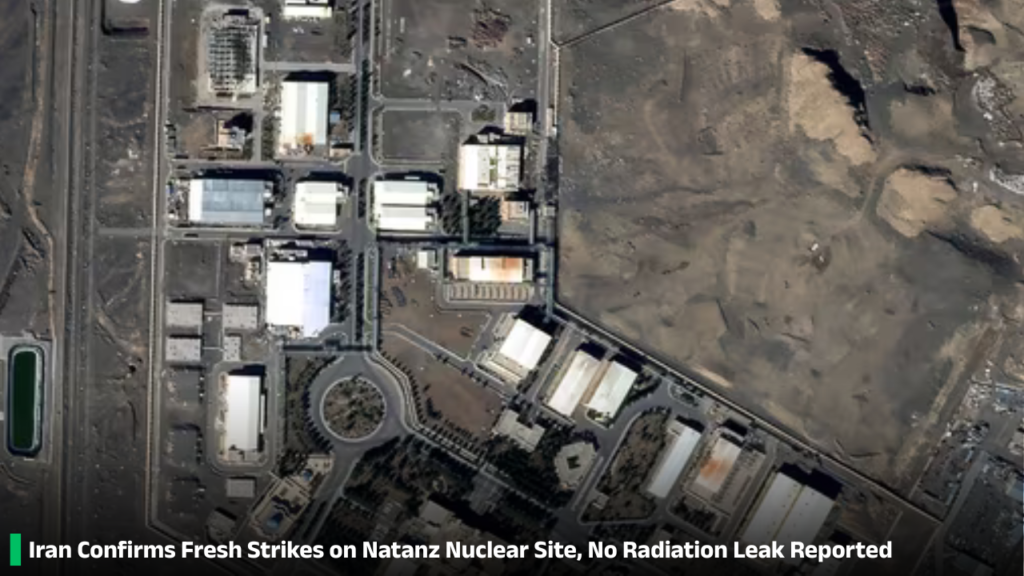
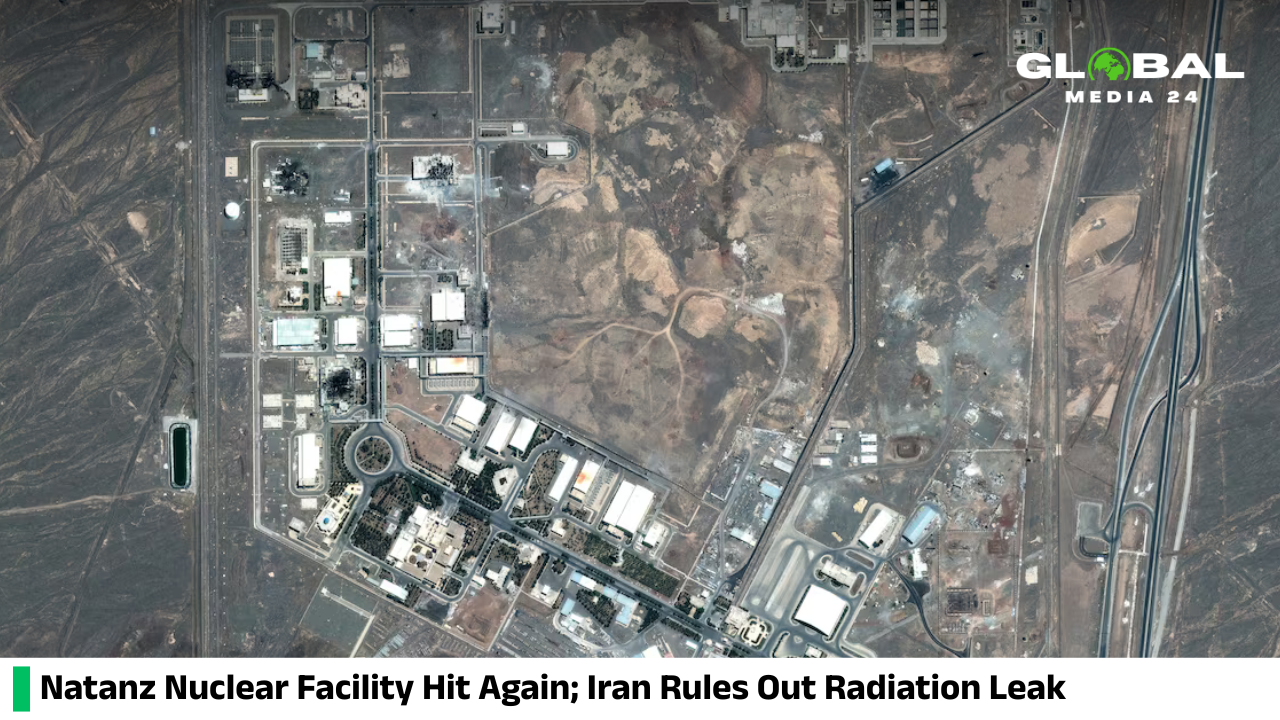
Iran’s state-run news agency, Mizan, reported that an airstrike took place on Saturday at Iran’s Natanz nuclear enrichment facility. It stated that no radiation leakage occurred, even as the conflict in the Middle East entered its fourth week.
According to satellite imagery, Iran’s primary enrichment site—Natanz—was struck during the first week of the conflict, resulting in damage to several buildings.
The United Nations’ nuclear watchdog had previously stated that “no radiological consequences” were expected from that initial strike.
Located approximately 220 kilometers (135 miles) southeast of Tehran, this nuclear facility was targeted by Israeli airstrikes and U.S. forces during the 12-day conflict between Iran and Israel in June 2025.
This attack occurred just one day after U.S. President Donald Trump issued a statement indicating that he was considering “scaling down” military operations in the Middle East—even as the U.S. deploys three additional amphibious assault ships and approximately 2,500 extra Marines to the region.
Trump’s social media post on Friday followed a day marked by Iranian threats to strike entertainment and tourist venues worldwide, as well as another day of airstrikes, drone attacks, and missile attacks across the region.
These mixed signals from the U.S. emerged as a fresh surge in oil prices caused a decline in the U.S. stock market; subsequently, the Trump administration announced that it was lifting the ban on Iranian oil already loaded onto ships—a measure taken to help curb rising fuel costs.
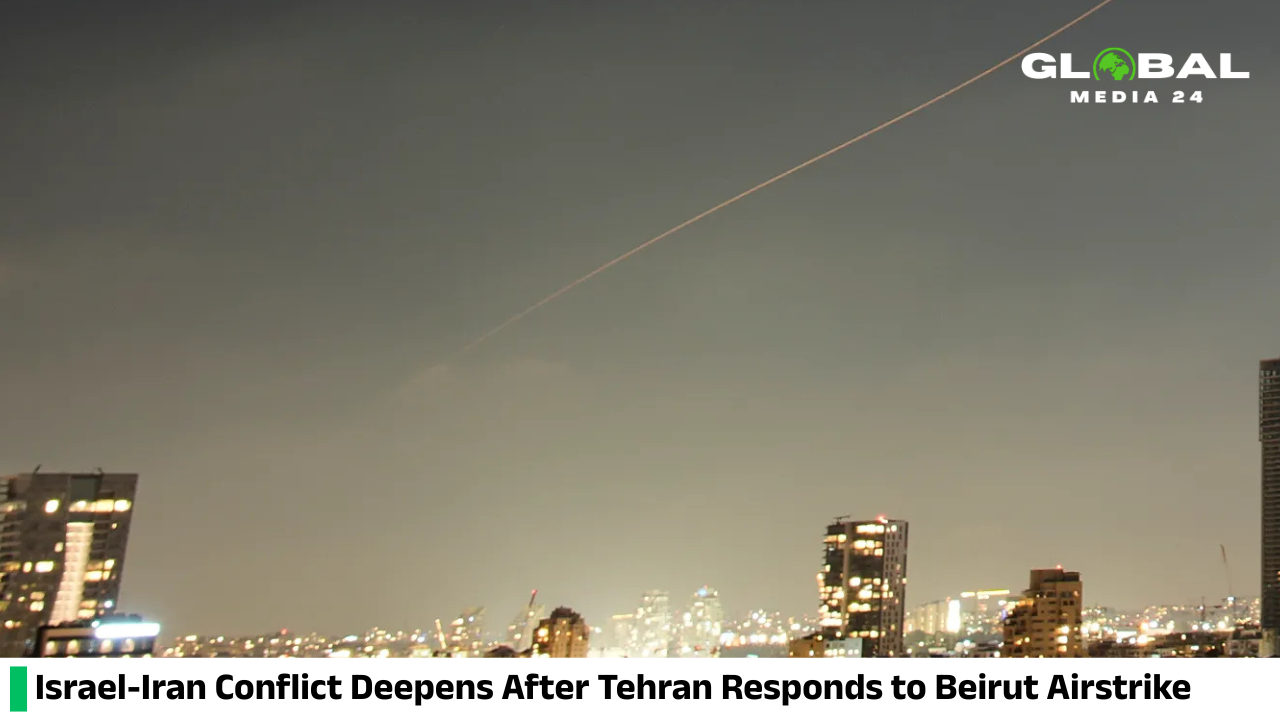
With the fighting—now in its third week—showing no signs of abating, Israel reported that Iran continued to fire missiles at its territory on Saturday morning, while Saudi Arabia stated that it had shot down 20 drones within just a few hours over the country’s eastern region, home to major oil production facilities.
These attacks took place a day after an Israeli airstrike in Tehran, while the people of Iran were celebrating the Persian New Year, known as Nowruz. It is typically a festive holiday, but due to the war, it has been dampened.
The U.S. and Israel have cited various justifications for war—ranging from the hope of inciting an uprising to topple Iran’s leadership to the objective of dismantling its nuclear and missile programs.
There have been no public indications of any such uprising, nor is there any end to the conflict in sight.
Writing on social media, Trump stated, “We are getting very close to achieving our goals, as we consider winding down our major military efforts in the Middle East.”
This statement appeared at odds with a move by his administration to increase its firepower in the region and request an additional $200 billion from Congress to fund the conflict.
An official told the Associated Press that the U.S. is deploying three additional amphibious assault ships and approximately 2,500 extra Marines to the Middle East.
Two other U.S. officials confirmed that the ships are being deployed, though they did not specify their exact destination. All three spoke on the condition of anonymity to discuss sensitive military operations.
Just days earlier, the U.S. had dispatched another group of amphibious assault ships—carrying an additional 2,500 Marines—from the Pacific to the Middle East. These Marines will join the more than 50,000 U.S. troops already stationed in the region.
Trump has stated that he has no plans to send ground troops into Iran, yet he has also maintained that all options remain on the table.
Iran’s top military spokesperson, General Abolfazl Shekarchi, warned on Friday that “parks, entertainment venues, and tourist destinations” around the world would no longer be safe for the country’s adversaries. This threat has reignited concerns that Tehran might utilize militant attacks—even beyond the Middle East—as a means of exerting pressure.
In a written statement read out on Iranian television on the occasion of Nowruz, Supreme Leader Ayatollah Mojtaba Khamenei lauded the resilience of the Iranian people during wartime. Khamenei has not been seen in public since assuming the role of Supreme Leader; his father, Ayatollah Ali Khamenei, was killed in Israeli strikes, and reports suggest that he himself was wounded.
Due to the scarcity of information emerging from Iran, it remains unclear the extent of the damage inflicted upon its weaponry, nuclear sites, or energy facilities by the U.S. and Israeli strikes that began on February 28—or, indeed, who actually holds control over the country. Nevertheless, the conflict has disrupted oil supplies, driving up the prices of food and fuel far beyond the confines of the Middle East.
On Saturday morning, the Israeli military announced that it had launched a wave of strikes targeting Iran-backed Hezbollah militants in the southern districts of Beirut.
The Israeli military reissued evacuation warnings for seven specific areas; just hours later, smoke was seen billowing over parts of central Beirut, fires broke out, and loud explosions were heard.
According to the Lebanese government, Israeli strikes targeting Hezbollah within Lebanon have resulted in the deaths of over 1,000 people and have left more than one million people displaced.
During the course of the conflict, over 1,300 people have been killed in Iran. In Israel, 15 people have been killed by Iranian missile attacks, and four additional fatalities have been reported in the occupied West Bank. At least 13 U.S. military personnel have also lost their lives. Brent crude oil—the international benchmark—surged significantly during the conflict, reaching approximately $106 per barrel, whereas prior to the war, it stood at around $70.
The temporary waiver recently granted by the U.S. regarding its sanctions will apply to Iranian oil loaded onto vessels starting Friday and is set to expire on April 19.
This new measure is unlikely to boost the flow of production—a primary driver behind the rising prices. Iran has successfully managed to circumvent U.S. sanctions for several years, suggesting that the bulk of its exports already reach their intended buyers.
In its search for ways to increase global oil supplies amidst the conflict, the Trump administration had previously imposed 30-day waivers on certain Russian oil shipments—a move critics argued primarily benefited Moscow while having only a negligible impact on the markets.