
Company says chair’s choice to step down from re-election bid was made voluntarily and not due to any dispute, according to its filing
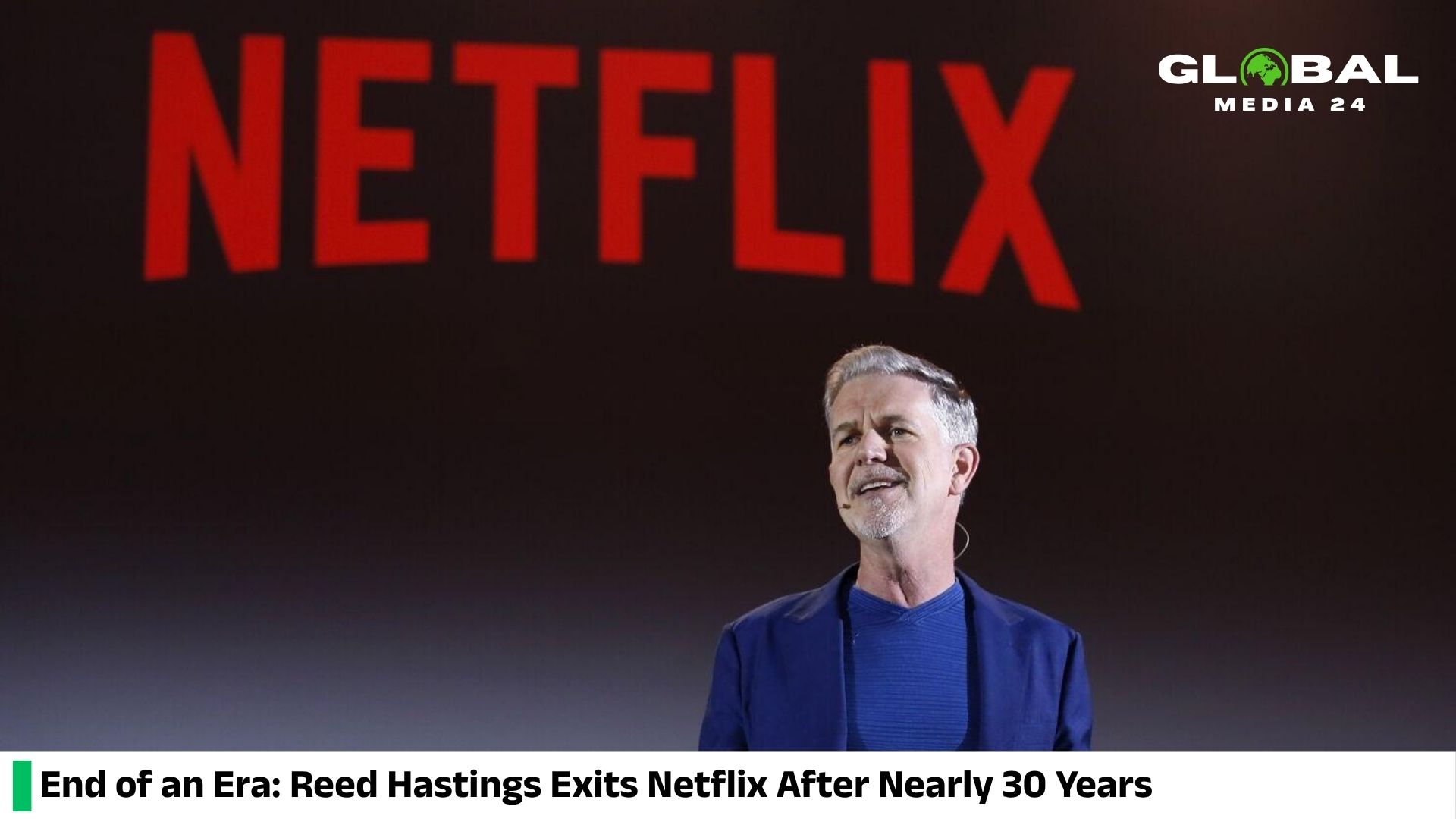
Netflix Chairman Reed Hastings is stepping down from the streaming service he co-founded nearly 30 years ago, as the company regains its footing following the loss of a $72bn (£53bn) deal to Warner Bros. Discovery.
In a 14-page letter sent to investors on Thursday, Netflix stated that Hastings will not seek re-election at its annual meeting in June and plans to focus on philanthropy and other endeavors.
News of his departure caused the company’s share price to drop by nearly 8%.
In a filing submitted to the Securities and Exchange Commission on Thursday, Netflix stated, “Mr. Hastings’ decision not to seek re-election is not due to any disagreement with the company.” The company has not named a successor for his board seat.
In a letter addressed to shareholders, Hastings remarked that Netflix has transformed his life. The 65-year-old executive noted, “My fondest memory dates back to January 2016, when we enabled nearly the entire world to enjoy our service.”
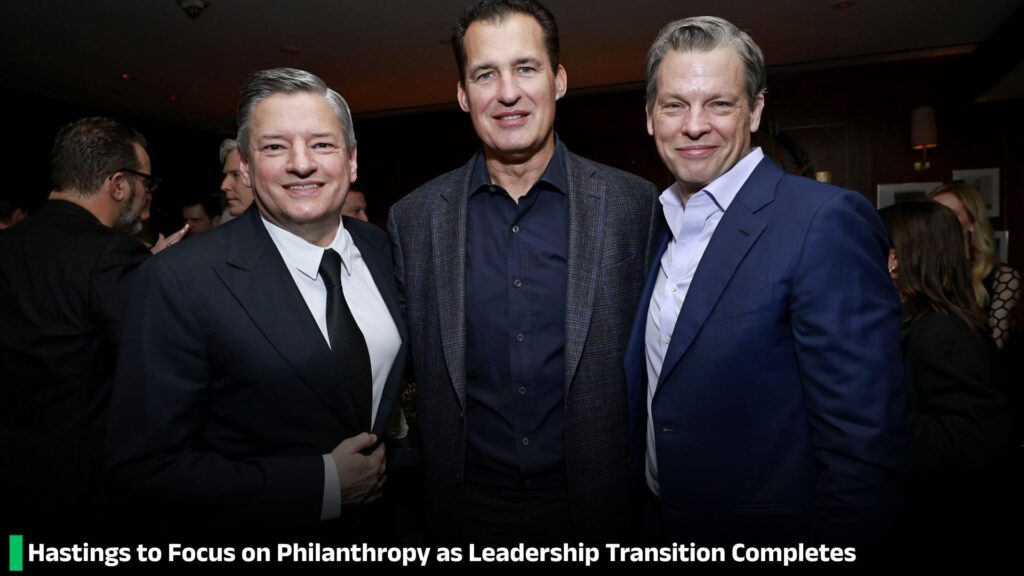
He extended “special thanks” to the company’s Co-Chief Executives, Ted Sarandos and Greg Peters, stating, “Their commitment to Netflix’s greatness is so steadfast that I can now turn my focus to new pursuits.”
Hastings co-founded Netflix in Northern California 29 years ago and spearheaded its transformation from a mail-order DVD service into the “epitome of the streaming TV era.” He launched Netflix in partnership with entrepreneur Marc Randolph. Initially, the company’s competitors were rental chains—such as the now-defunct Blockbuster—before it launched a streaming service in 2007 that revolutionized the media landscape. With this move, an intense battle erupted between traditional media and tech companies to capture audiences, with everyone vying to establish dominance for their respective services.
Hastings stepped down as Netflix’s Chief Executive in 2023. Peters stated, “Reed will always remain Netflix’s founder and greatest champion.” He is part of our DNA.
In its shareholder letter, Netflix stated that its mission remains “ambitious and unchanged”—to entertain the world by offering films and series catering to a wide range of tastes, cultures, and languages. The company’s full-year financial outlook remains unchanged. The company did not disclose how it intends to utilize the $2.8 billion termination fee it received after losing the bidding war for the Warner Bros. movie studio and HBO.
Netflix had attempted to acquire Warner Bros. in December but withdrew in February, thereby clearing the path for Paramount and Skydance to acquire the studio.
This $110 billion deal brought an end to a months-long bidding war between the two media companies. During that period, pressure mounted from Washington, and White House officials had long favored Paramount’s bid. Paramount is led by David Ellison, the son of Larry Ellison—a longtime supporter of Donald Trump.
On Thursday, Netflix reported that its revenue rose to $12.25 billion—a 16% increase year-over-year—slightly exceeding analysts’ estimates of $12.18 billion.
Netflix told investors that the acquisition of Warner Bros. would have been a “good deal, though not a necessary one,” while also highlighting key areas for future growth.
The company noted that its investments in expanding its entertainment offerings—including video podcasts and live entertainment events such as the World Baseball Classic in Japan—are helping to boost user engagement. It plans to leverage technology to enhance user experience and improve monetization, as advertising revenue is on track to reach $3 billion in 2026—double the figure from a year earlier.
Ben Barringer, Head of Technology Research at the investment firm Quilter Cheviot, stated: “Hastings played a pivotal role in shaping Netflix’s culture and strategy, and he was responsible for the agility for which the company became renowned.
“Consequently, the share price took a severe hit. This may be a slight overreaction; however, given the double blow of poor earnings results and the departure of a key figure, it is hardly surprising that investors are scaling back their positions.
“Following the collapse of the WBD deal, this is not quite what we have come to expect from Netflix—nor is it what we have grown accustomed to.”