Satellite images reveal extensive damage to 20 U.S. military sites after Iranian missile and drone attacks. Explore the full impact, regional tensions, and what it means for the Middle East conflict.
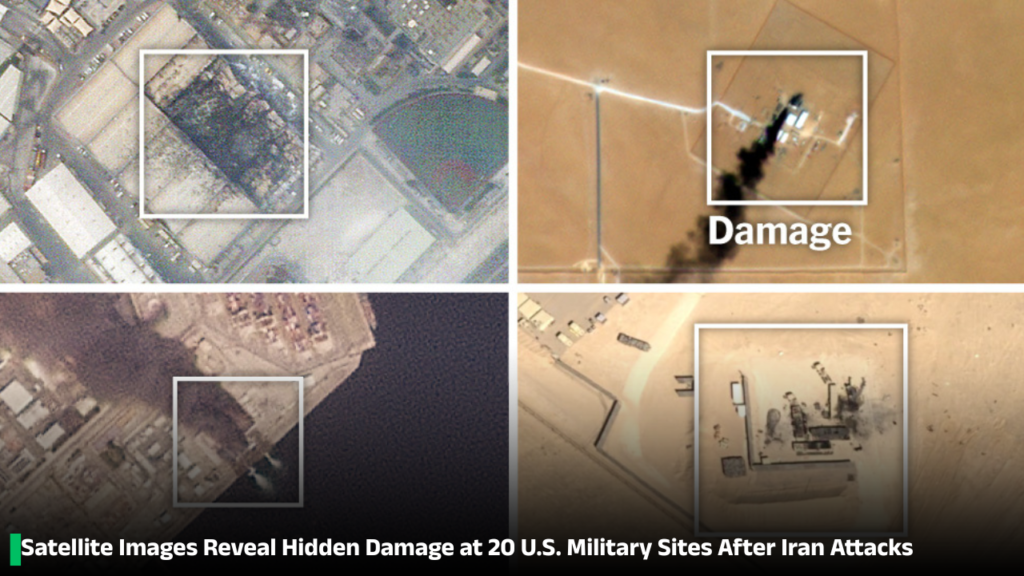
The conflict between Iran and the United States has entered a new and dangerous phase as satellite imagery reveals extensive damage to American military facilities across the Middle East. According to multiple investigations based on commercial satellite data, Iranian missile and drone attacks have struck numerous U.S. military locations since the war began, causing far more destruction than initially reported.
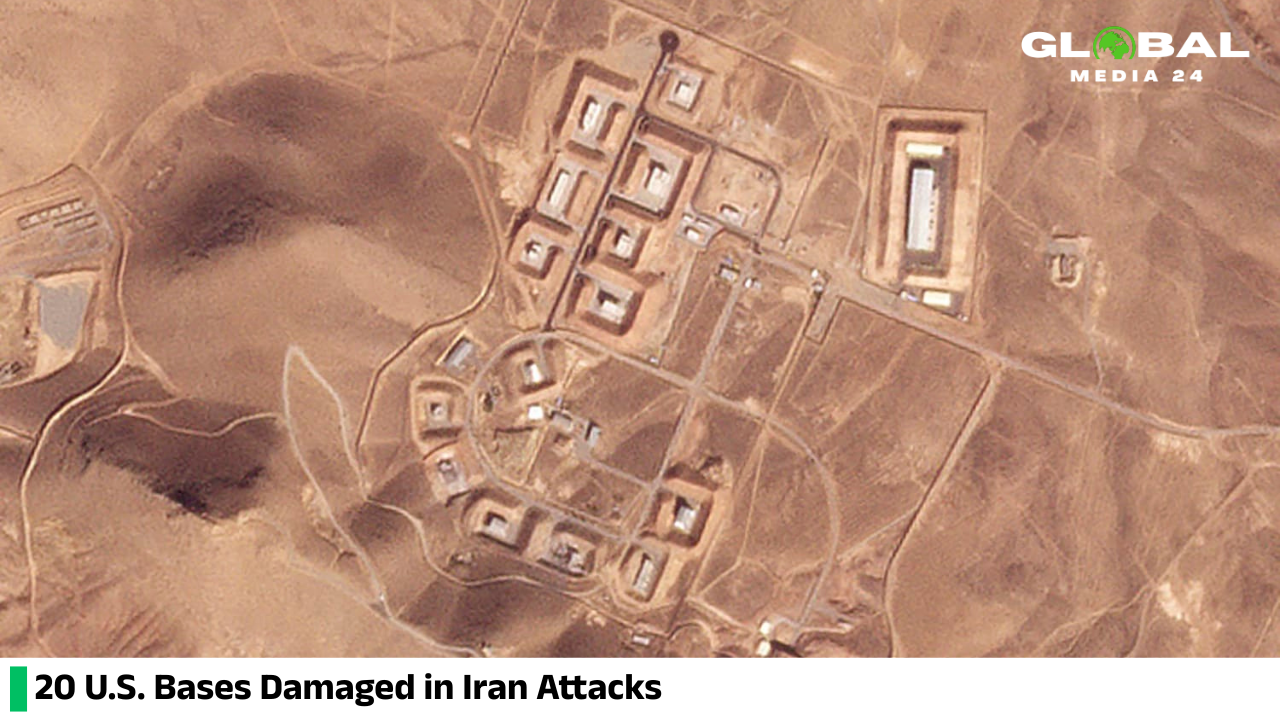
Recent satellite analysis suggests that at least 20 U.S.-linked military sites have suffered varying levels of damage during the conflict. The findings have raised fresh concerns among defense analysts about the effectiveness of regional air defenses and the growing capabilities of Iran’s missile and drone programs.
Satellite Images Expose Scale of Damage
For months, information regarding battlefield damage remained limited because many military installations are located inside highly restricted areas. However, new satellite imagery from commercial providers has provided a clearer picture of the situation.
The images reportedly show damage to:
- Military hangars
- Radar systems
- Communication facilities
- Fuel storage depots
- Aircraft shelters
- Air defense equipment
- Command and control centers
Several facilities in Bahrain, Kuwait, Iraq, Saudi Arabia, and other Gulf locations appear to have been targeted during Iranian retaliatory strikes. Analysts reviewing the imagery say the overall destruction is significantly larger than publicly acknowledged during the early stages of the conflict.
Strategic U.S. Bases Under Pressure
One of the most significant locations affected is the headquarters of the U.S. Navy’s Fifth Fleet in Bahrain. Satellite photographs indicate damage to buildings and radar-related infrastructure at the facility.
Other locations reportedly showing visible strike damage include military bases in Kuwait and logistics centers supporting American operations throughout the region. Satellite evidence suggests that Iran’s missile campaign successfully reached several high-value military targets despite advanced air defense networks deployed across the Gulf.
Defense experts believe the attacks demonstrate Iran’s ability to coordinate large-scale missile and drone operations over long distances, creating new challenges for regional security planners.
Why Iran Targeted U.S. Military Installations
The attacks are part of a broader conflict that intensified following military operations involving U.S. and allied forces against Iranian-linked military infrastructure.
Iran has repeatedly stated that it views American military bases in the region as legitimate targets during wartime. Tehran argues that U.S. forces play a direct role in operations against Iranian interests, while Washington maintains that its actions are intended to protect regional stability and allied nations.
The exchange has led to a cycle of retaliation, with both sides launching strikes against military targets. Recent U.S. operations have reportedly targeted Iranian radar systems, drone facilities, missile infrastructure, and command centers.
Growing Role of Drones and Precision Missiles
A major lesson emerging from the conflict is the increasing importance of drones and precision-guided missiles.
Military analysts note that Iran has invested heavily in:
- Long-range ballistic missiles
- Cruise missiles
- Armed drones
- Electronic warfare systems
- Underground missile facilities
Satellite imagery reviewed by experts also indicates that Iran continues to repair and strengthen several military sites that were damaged during earlier strikes. Construction work, reinforced tunnels, and fortified structures suggest preparations for a prolonged confrontation if diplomatic efforts fail.
The ability to quickly restore damaged facilities highlights Iran’s focus on maintaining operational readiness despite sustained military pressure.
Regional Tensions Continue to Rise
The conflict has affected security across the wider Middle East. Countries hosting American military personnel have increased defensive measures amid fears that additional attacks could occur.
Several governments in the Gulf region have activated emergency response plans, strengthened air defenses, and coordinated more closely with international partners.
The situation has also affected global markets. Investors remain concerned about possible disruptions near the Strait of Hormuz, one of the world’s most important energy shipping routes. Any escalation in the area could impact oil supplies and increase energy prices worldwide.
Questions About Military Preparedness
The satellite findings have sparked debate among military experts regarding the resilience of U.S. facilities in the region.
While American air defense systems intercepted many incoming threats, analysts say the imagery suggests some missiles and drones successfully penetrated defensive layers. This has led to renewed discussions about:
- Base protection strategies
- Missile defense coverage
- Infrastructure hardening
- Force dispersal tactics
- Regional military readiness
Some experts argue that future conflicts may place even greater emphasis on defending critical infrastructure from large-scale drone and missile attacks rather than traditional battlefield engagements.
Diplomatic Efforts Face Difficult Road
Despite ongoing military exchanges, diplomatic channels remain active. Negotiators from multiple countries continue attempting to reduce tensions and prevent a broader regional war.
However, recent attacks and counterattacks have complicated those efforts. Both Washington and Tehran continue to accuse each other of escalating the crisis, making a comprehensive agreement difficult to achieve in the near future.
International observers warn that even a single miscalculation could trigger a much wider confrontation involving additional regional actors.
What Happens Next?
Satellite imagery has provided one of the clearest looks yet at the real impact of the conflict. The evidence suggests that Iranian strikes have damaged military infrastructure across multiple locations, challenging previous assumptions about the scale of the attacks.
As both sides continue military operations while pursuing diplomatic talks, the Middle East remains on edge. The coming weeks could prove critical in determining whether the conflict moves toward de-escalation or expands into a broader regional crisis.
For now, the newly revealed satellite images serve as a reminder that modern warfare extends far beyond official statements, with space-based technology increasingly exposing the true cost of conflict on the ground.