Barrels vs Belief: Iran Says Treasuries Trade on Psychology While Oil Anchors Real Value
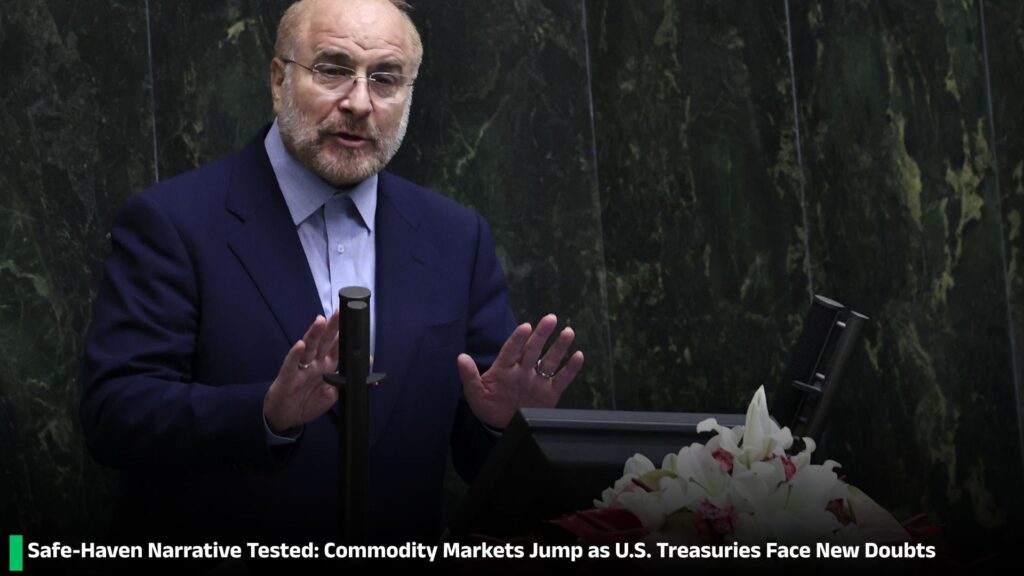
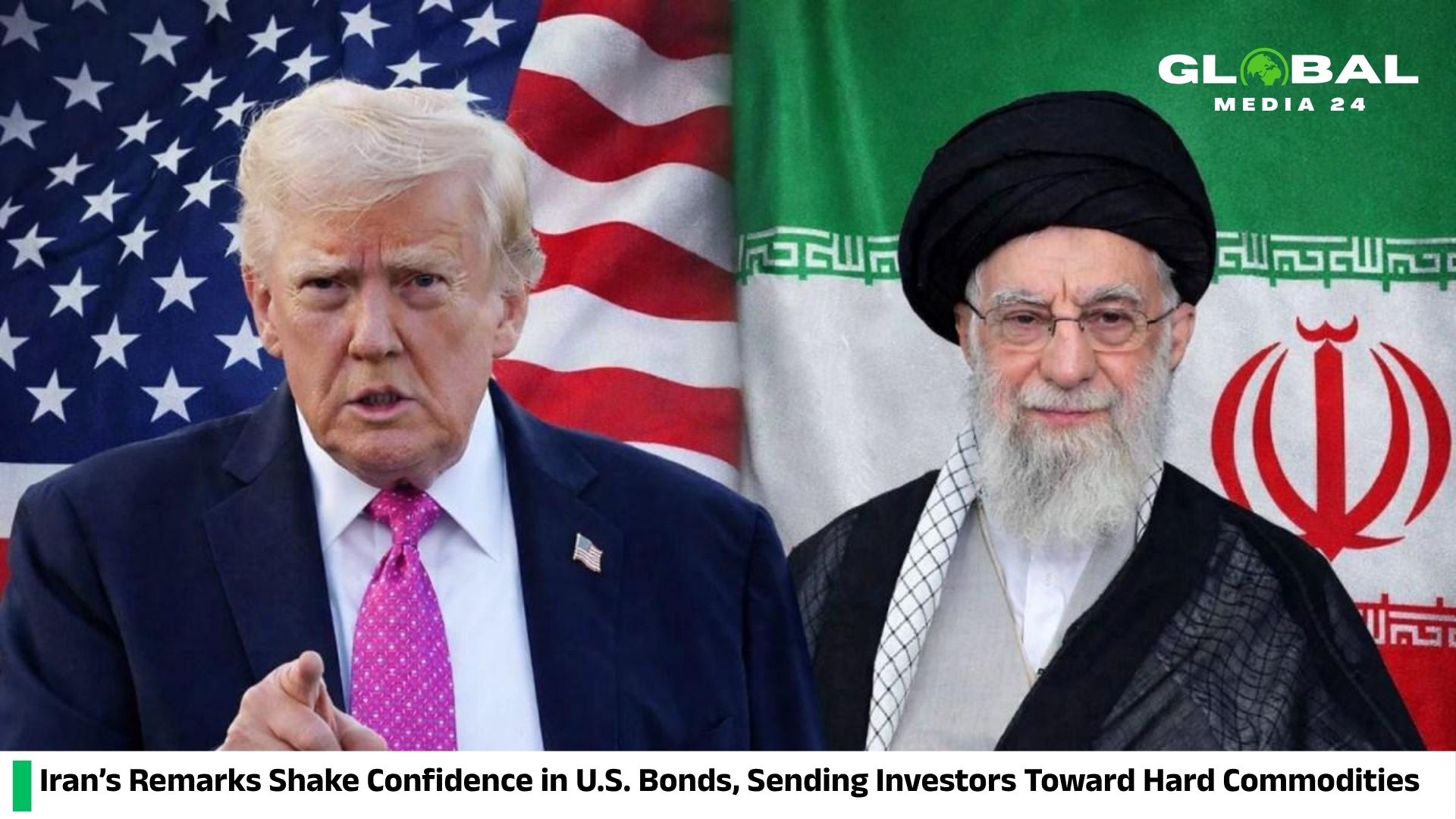
New Delhi: Iran’s Parliament Speaker, Mohammad Bagher Ghalibaf, has sparked a debate within financial circles with a cryptic social media post on X. Amidst the US-Iran conflict, Ghalibaf has challenged the long-held belief among global investors that US government bonds serve as the ultimate “safe haven” during times of geopolitical tension.
In his post, Ghalibaf stated: “Vibe-trading in ‘digital oil’ is akin to ‘vibe-hedging’ in Treasuries during a ‘Hormuz risk-off’ scenario. Both constitute a house of cards—structures that function only on paper. The difference: Oil, at least, has ‘Dated Brent.’ Treasuries? Purely vibes. EUCRBRDT Index GP.” Follow for live updates.
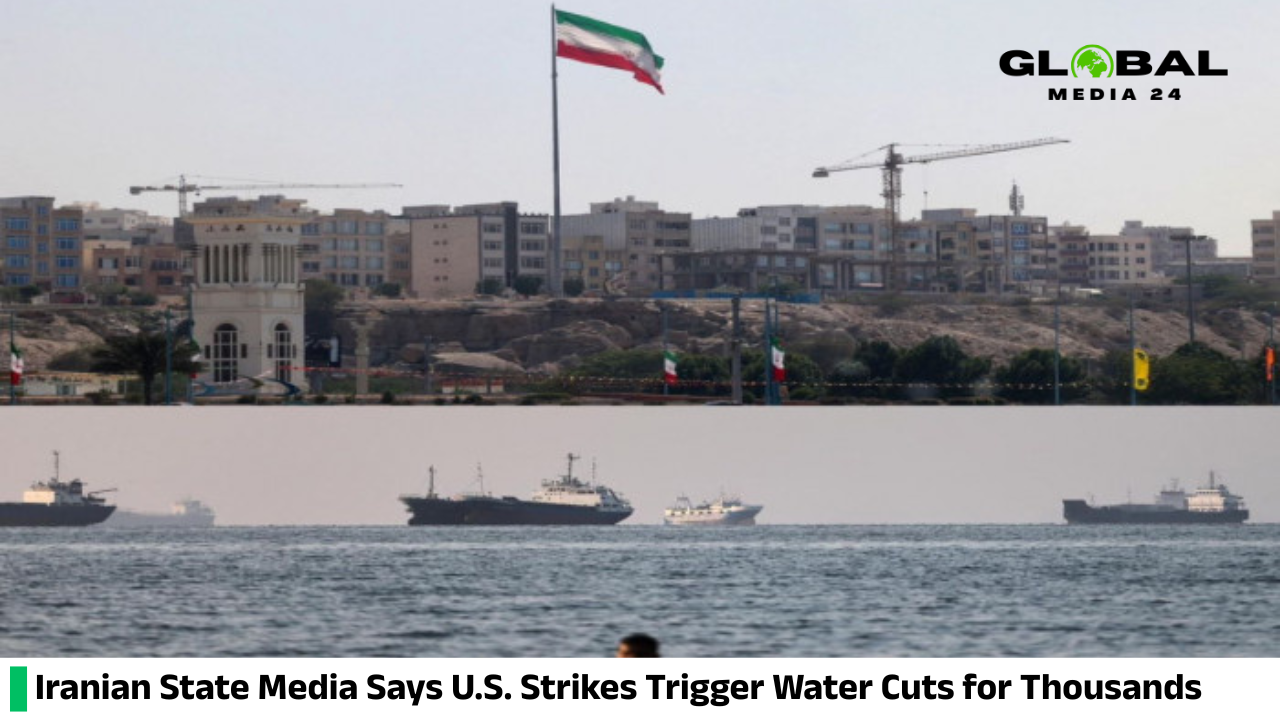
At first glance, the post appears to be standard market jargon. However, it serves as a pointed commentary on how investors have reacted to recent tensions in the Strait of Hormuz—a critical oil shipping lane situated at the epicenter of the recent US-Iran standoff.
The post draws a comparison between two common market reactions during times of crisis:
Traders buying oil contracts when tensions escalate in the Middle East.
Investors flocking to US Treasuries when fear grips the market.
EUCRBRDT Index GP — This is the command for European Dated Brent.
His argument is this: Investors’ inclination toward US Treasuries is often driven more by habit and sentiment than by concrete data. Ghalibaf contrasts this with “Dated Brent,” the benchmark for physical North Sea oil cargoes. Even though traders speculate on oil futures, there remains a tangible, physical market that anchors the pricing. He contends that US Treasuries lack such a “physical anchor,” with their value determined largely by expectations, policy signals, and market confidence. Why Treasuries Are Called a “Safe Haven” During times of global uncertainty, investors typically sell equities and purchase bonds issued by the United States Department of the Treasury. This is known as a “risk-off” trade.
The logic behind this is simple: the likelihood of the U.S. government defaulting is low, and its bonds are highly liquid. This pattern has repeated itself for decades—during wars, financial crises, and market crashes.
Ghalibaf’s remarks appear to raise the question of whether this behavior is grounded in financial fundamentals or merely in long-standing market psychology.
This comment comes at a time when oil prices have experienced volatility following recent incidents involving vessels near the Strait of Hormuz. A significant portion of the world’s crude oil passes through this narrow waterway, and any disruption causes prices to surge almost immediately.
According to a report by Iranian state media, the Speaker’s remarks demonstrate “Tehran’s strategic leverage over global energy flows.”
What This Means for Investors
For the average investor, this does not imply that U.S. Treasuries are unsafe or that oil markets are irrational. Instead, the post highlights how:
Markets often move primarily on sentiment and established patterns.
Asset prices can react before the actual economic impact becomes apparent.
Geopolitics can challenge long-held assumptions regarding “safe” assets.
The Speaker’s post—albeit political in tone—has sparked a significant conversation among traders, many of whom have favored U.S. bonds over gold (which is also viewed as a hedge) during this period of tension.