Mr. Sharif appreciated China’s support for Pakistan in mediating the U.S.-Iran negotiations, noting that President Xi’s four propositions on the West Asia situation offer guidance for achieving peace
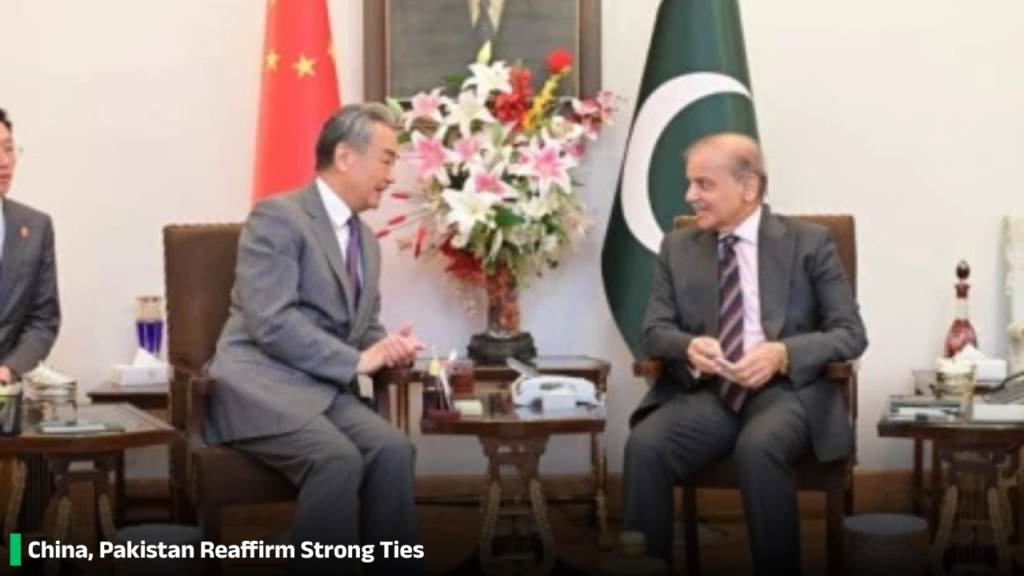
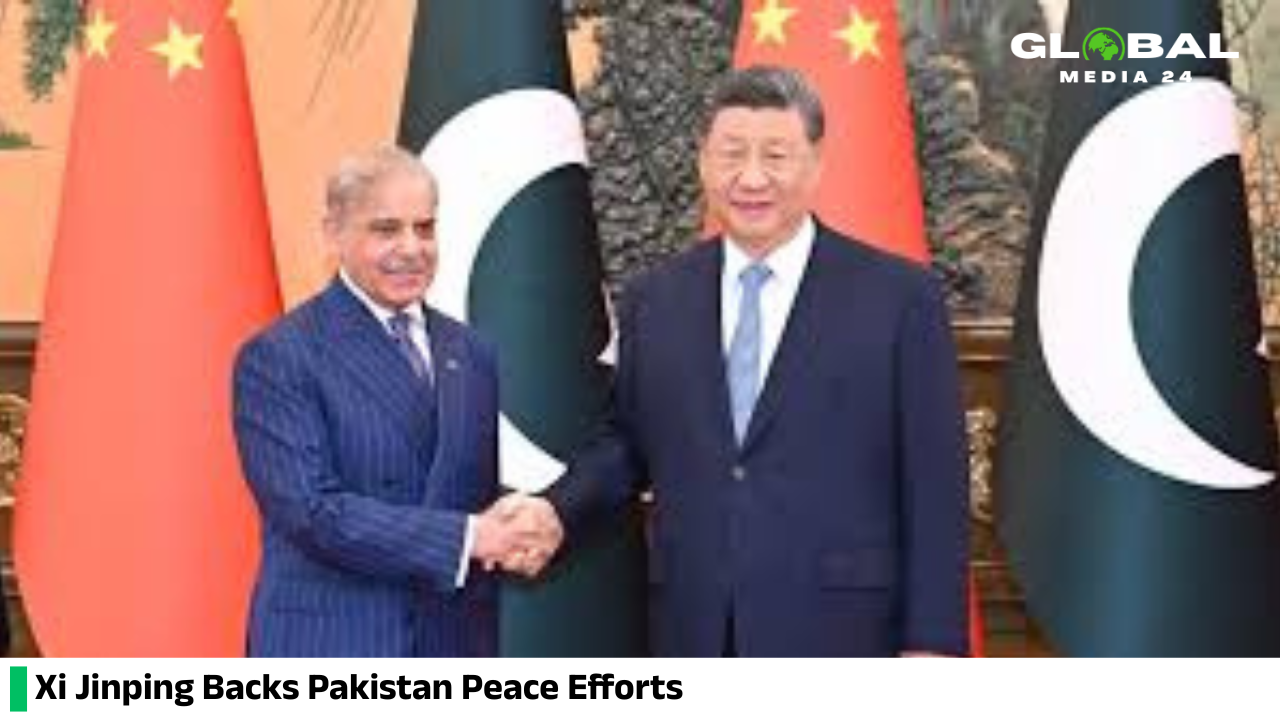
Pakistan Prime Minister Shehbaz Sharif held high-level talks with Chinese President Xi Jinping in Beijing on May 25, 2026, in a meeting that highlighted the growing strategic partnership between China and Pakistan as tensions continue across West Asia. The discussions focused not only on bilateral cooperation but also on regional diplomacy, especially Pakistan’s role in encouraging dialogue between the United States and Iran.
The meeting took place at the Great Hall of the People in Beijing, where President Xi warmly welcomed Prime Minister Shehbaz Sharif and described him as an “old friend” of China. Xi emphasized that the relationship between Beijing and Islamabad has remained strong through changing global circumstances and called the friendship between the two countries “unbreakable.” According to Chinese media reports, Xi said both nations have continuously trusted and supported one another over decades, creating a partnership built on mutual respect and strategic cooperation.
The visit comes at a crucial moment for the region. Rising tensions in the Gulf and uncertainty surrounding Iran’s relations with Western powers have increased diplomatic activity across Asia and the Middle East. During the talks, Xi Jinping praised Pakistan for taking active diplomatic steps to help reduce tensions and encourage negotiations between Washington and Tehran.
Prime Minister Shehbaz Sharif appreciated China’s backing of Pakistan’s mediation efforts and said Beijing’s approach toward the West Asia crisis offers meaningful guidance for achieving stability and peace. He referred to Xi Jinping’s proposals regarding the regional situation and noted that China’s balanced stance could help create opportunities for long-term dialogue in the region.
One of the notable aspects of the visit was the presence of Pakistan’s Chief of Defence Forces, Field Marshal Asim Munir, who had recently completed an important trip to Iran before arriving in China. Sharif highlighted Munir’s diplomatic engagements with Iranian officials and said the military leadership had played a constructive role in maintaining communication channels during a sensitive period.
Speaking during delegation-level discussions with Chinese Premier Li Qiang, Shehbaz Sharif stressed that the world is currently facing a critical phase marked by geopolitical uncertainty and regional instability. He stated that Pakistan has sincerely tried to act as a bridge between nations rather than becoming part of conflicts. According to Sharif, Islamabad’s efforts are aimed at encouraging peace and preventing further escalation in West Asia.
The Pakistani Prime Minister also underlined the importance of stronger coordination between China and Pakistan on international issues. He said both countries should continue working closely together to support diplomatic solutions and regional peace initiatives. Sharif described the China-Pakistan relationship as one that stands apart from ordinary international partnerships, calling both nations “iron brothers” with unmatched mutual trust.
The Beijing visit also carried symbolic significance as the two countries celebrate 75 years of diplomatic relations. Over the decades, China and Pakistan have expanded cooperation across defense, trade, infrastructure, energy, and regional connectivity projects. Their partnership has remained steady despite changing global alliances and economic challenges.
Analysts believe the latest meeting demonstrates how both countries are increasingly positioning themselves as influential diplomatic voices in regional affairs. China’s support for Pakistan’s mediation efforts may also strengthen Islamabad’s role in future negotiations involving West Asian countries.
In recent years, Beijing has attempted to expand its diplomatic influence in the Middle East by encouraging dialogue among rival powers and promoting economic cooperation. Pakistan, meanwhile, has sought to maintain balanced relations with both Iran and Western nations while avoiding direct involvement in regional rivalries.
The discussions in Beijing reflected a shared desire to promote stability during a period of uncertainty. Both leaders appeared focused on diplomacy, cooperation, and maintaining strategic communication at a time when global tensions remain high.
As Prime Minister Shehbaz Sharif’s four-day visit to China continues, observers are expected to closely watch future announcements related to economic cooperation, regional security, and diplomatic coordination between the two long-standing allies.