While the company sends senior advisors to negotiate new contracts, industry sources say Peru will be represented by its Deputy Mining Minister at the talks.
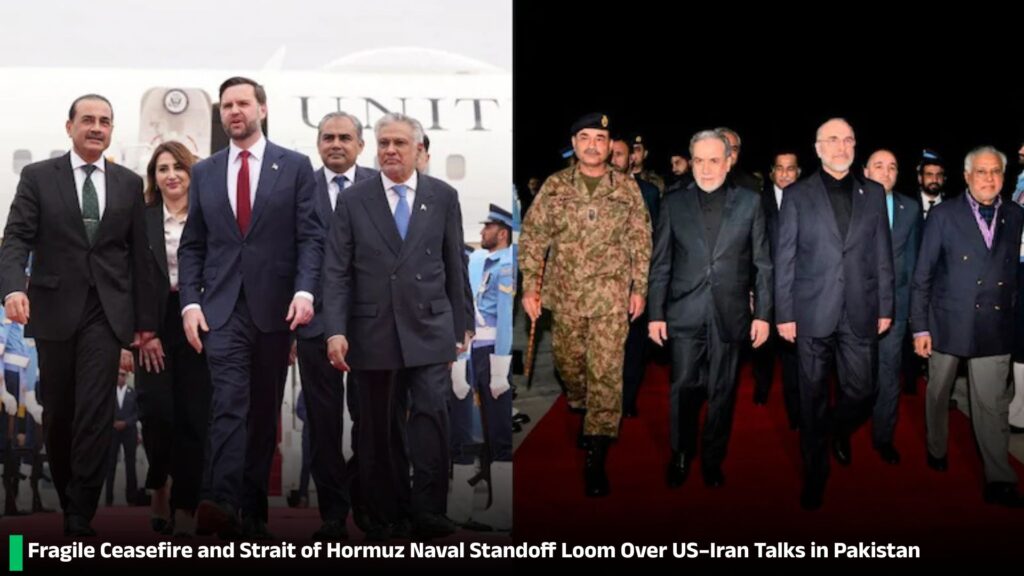
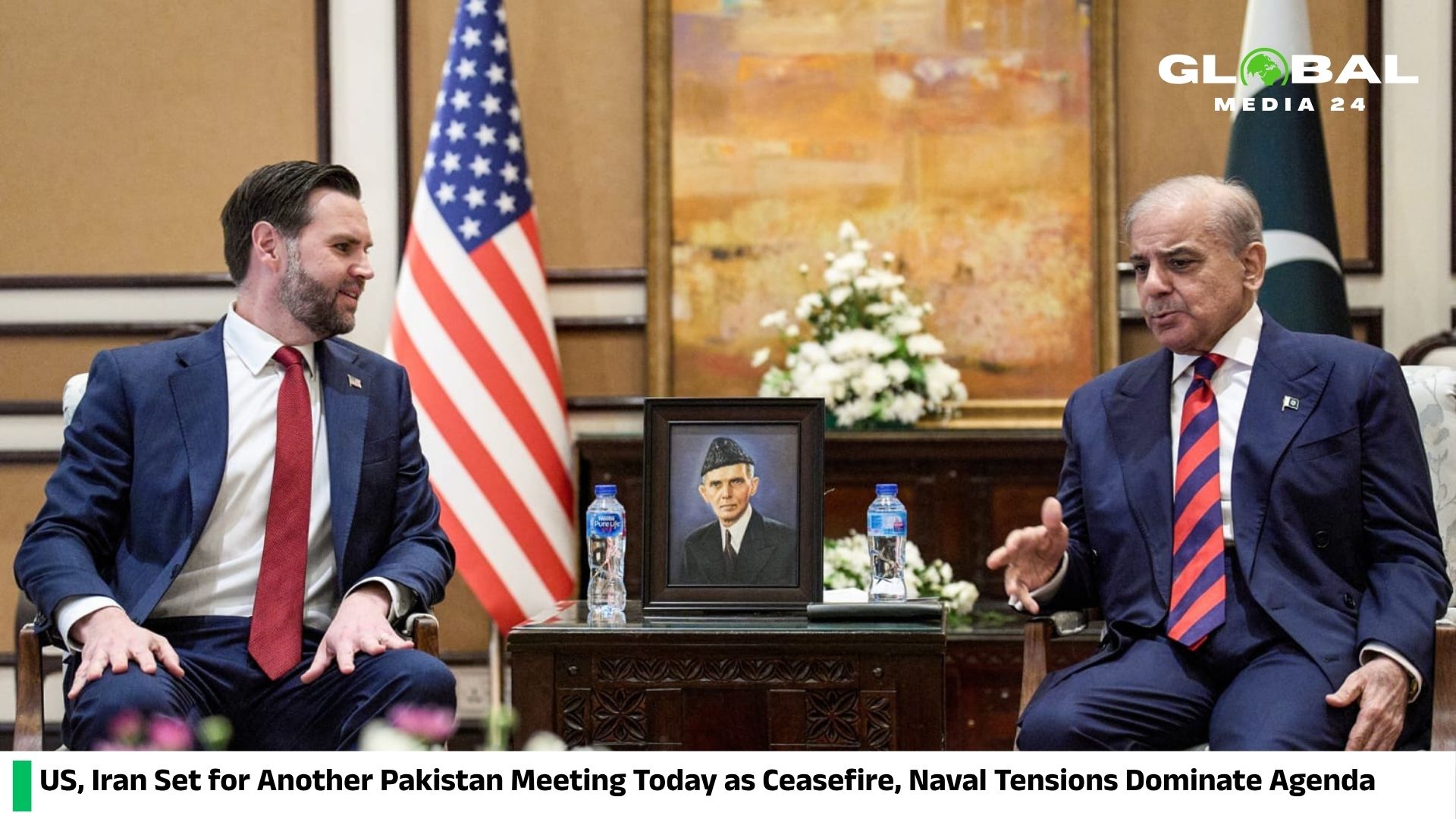
With a fragile ceasefire still holding in the Middle East, Iran and the U.S. are set to hold a second round of talks in Pakistan on Saturday.
U.S. President Donald Trump is dispatching his envoys, Steve Witkoff and Jared Kushner, while the state-run IRNA news agency stated that Iran will be represented by Foreign Minister Abbas Araqchi for “bilateral consultations.”
These talks come just one day after the Iran-Hezbollah ceasefire was extended for three weeks, although the conflict—which began following a U.S.-Israeli strike on Iran on February 28—is nowhere near its end.
The White House stated that the envoys would engage in “personal discussions” with the Iranian representatives; however, Iranian state media indicated that there is no expectation of direct talks.
White House Press Secretary Karine Jean-Pierre (formerly Carolyn Levitt) stated in an interview on Fox News that both envoys would hold discussions with Araqchi. “We hope this will be a productive conversation, and hopefully, it will lead to further progress toward a deal,” she said. She added that Vice President J.D. Vance would not be traveling but would remain “fully engaged.”
An Iranian spokesperson announced that, following his stop in Pakistan, Araqchi would travel to Oman and Russia to discuss efforts aimed at ending the war.
This marks the second round of talks in Islamabad, following an initial round held on April 11–12 that ended inconclusively. The previous talks between the U.S. and Iran in Islamabad stalled due to disagreements over three key issues: Tehran’s stockpile of Highly Enriched Uranium (HEU) and its future nuclear program, the reopening of the Strait of Hormuz, and Israel’s ongoing conflict in Lebanon. Iran has steadfastly asserted its sovereign right to enrich uranium; however, it has been indicated that the specific levels of enrichment remain open to negotiation. US Vice President JD Vance stated that no progress was made during the 21 hours of talks held with Iran. He remarked, “Their nuclear program and previous enrichment facilities have been dismantled. However, we see no commitment on their part to refrain from developing further nuclear weapons.”
Pakistan has emerged as a key player in de-escalating the conflict involving the US, Israel, and Iran, with Munir—working in tandem with Prime Minister Shehbaz Sharif—leading the mediation efforts. Islamabad has leveraged its close ties with Gulf nations—including Saudi Arabia, Iran, the US, and China—to establish a channel for dialogue between the warring parties.
The negotiations held in Pakistan marked one of the most significant diplomatic engagements since the 1979 Islamic Revolution. The highest level of direct contact prior to this occurred in September 2013, when Democratic President Barack Obama called Iran’s newly elected President, Hassan Rouhani, to discuss Iran’s nuclear program.
Efforts to bring both sides back to the negotiating table have stalled, as Iran has refused to participate as long as the US naval blockade remains in effect at its ports.
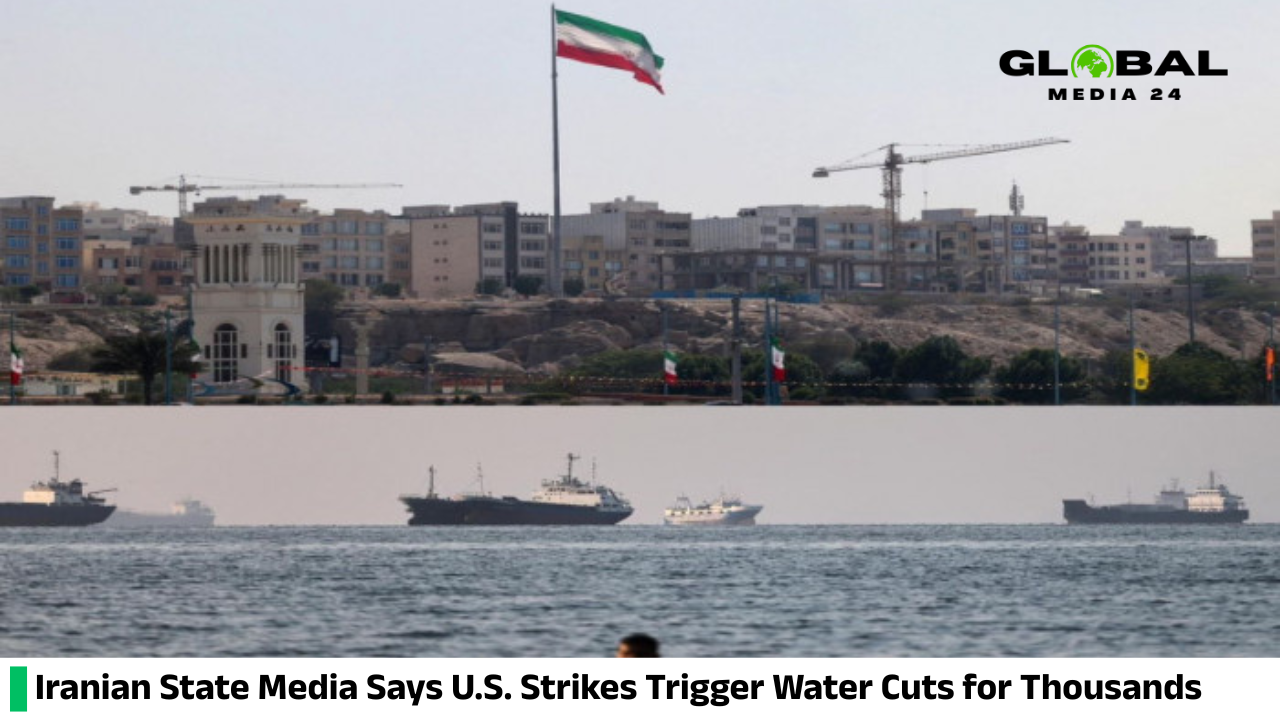
Iran has effectively imposed its own blockade on the Strait of Hormuz, allowing only a limited number of vessels to pass through this vital waterway—a move that has triggered turmoil across global energy markets.
Meanwhile, the United States has continued to bolster its military presence in the Middle East, deploying its third aircraft carrier—the USS George H.W. Bush—to the region. It also announced the imposition of economic sanctions on a major oil refinery located in China, as well as on approximately 40 shipping companies and tankers involved in the transport of Iranian oil.