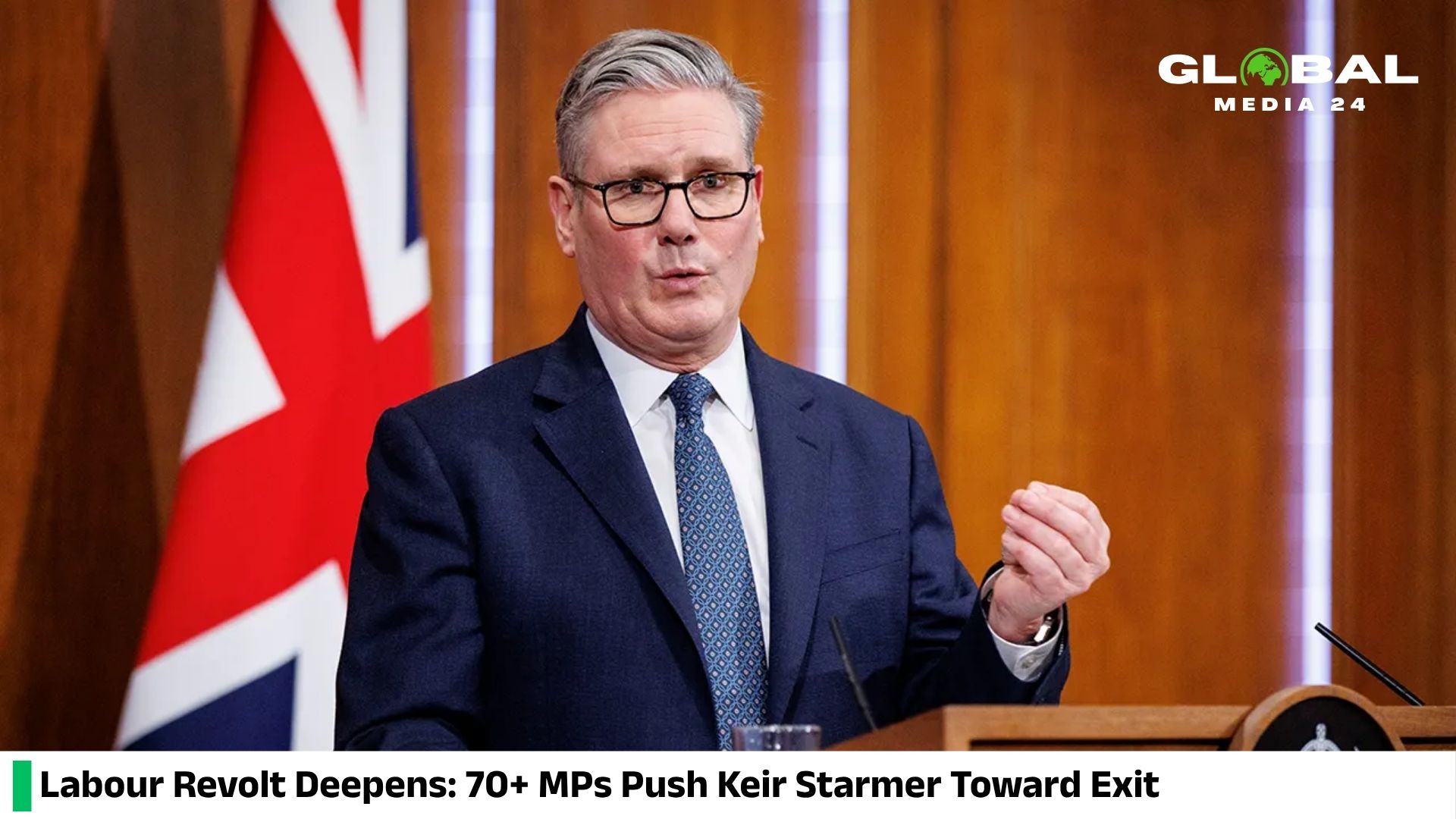
Despite Keir Starmer’s promise to make Labour more fearless, dynamic, and responsive to frustrated voters demanding faster change, more than 70 of the party’s 403 MPs are reportedly urging him to step down, reflecting growing internal unrest and deepening doubts over his leadership direction.
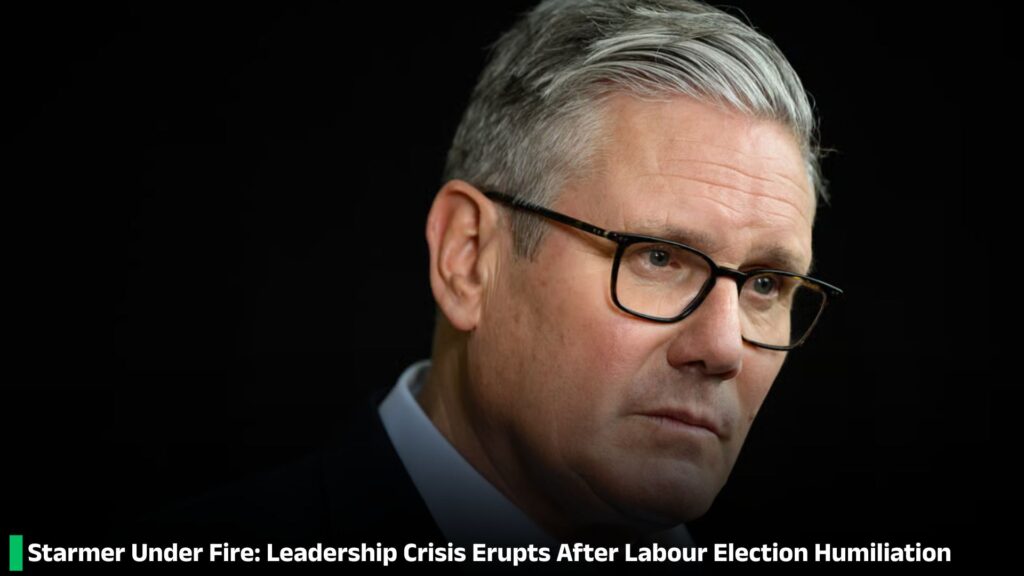
Late Monday night, calls for the resignation of Britain’s embattled Prime Minister Keir Starmer intensified, even as he vowed to prove his doubters wrong following his ruling Labour Party’s defeat in local and regional elections.
More than 70 of the Labour Party’s 403 MPs have urged him to step down, as they disagree with his promise to make the party bolder and better in an effort to win over impatient and disgruntled voters clamoring for change.
According to party rules, any challenger would require the support of 81 Labour MPs—20 percent of the party’s parliamentary representation—to trigger a leadership contest.
Among those demanding Starmer’s resignation are four parliamentary aides who have stepped down from their posts. According to British media reports, Shadow Foreign Secretary Yvette Cooper and Shadow Home Secretary Shabana Mahmood told Starmer that he should oversee a proper transition of power.
Jo Morris—who served as Parliamentary Private Secretary to Shadow Health Secretary Wes Streeting, a figure rumored to be considering a leadership challenge—wrote on X that “it is now clear that the Prime Minister no longer retains the public’s trust or confidence to lead this change.”
Another aide, Tom Rutland—who worked with Shadow Environment Secretary Emma Reynolds—stated that Starmer has “lost his authority” among Labour MPs and “will not be able to regain it.”
Melanie Ward, an aide to Deputy Prime Minister David Lammy, called for new leadership.
She stated, “Keir Starmer has done the necessary work to transform the Labour Party,” but added: “The message from last week’s elections was clear: the Prime Minister has lost the public’s confidence to lead this change.” ‘New Leadership’ Is Needed
Cabinet Office aide Naushaba Khan, who also resigned, stated: “I am calling for new leadership so that we can rebuild trust and deliver the better future for which the British people voted.”
63-year-old Starmer came to power in July 2024 following a landslide electoral victory, bringing an end to the Conservative Party’s 14-year rule—a period marked by austerity measures, internal strife over Brexit, and the handling of the COVID-19 pandemic.
However, he stumbled from one policy blunder to another and became embroiled in a scandal surrounding the appointment—and subsequent removal—of Peter Mandelson as the UK Ambassador to Washington, after the Ambassador’s ties to sex offender Jeffrey Epstein came to light.
He has yet to stimulate economic growth to assist British citizens grappling with inflation, though he has earned praise for standing up to US President Donald Trump regarding Iran.
Last week, voters delivered a harsh rebuke of his 22-month tenure in local and regional elections, in which the hard-right Reform UK party and the left-wing populist Greens made significant gains at the expense of Labour.
For the first time since its inception in 1999, the Labour Party also lost control of the Welsh Parliament to the nationalist Plaid Cymru and failed to make headway against the Scottish National Party in the Scottish Parliament.
In a key speech on Monday, Starmer acknowledged the public’s disillusionment with the state of the country, the political landscape, and his own leadership.
“I know there are those who doubt me,” he said, “and I must prove them wrong—and I will.”
He pledged “bold responses”—rather than “incremental change”—in areas such as economic growth, closer ties with Europe, and energy policy. He pledged the complete nationalization of British Steel and, in his strongest condemnation yet following Britain’s acrimonious departure from the European Union in 2020, stated that Brexit has left the UK poorer, weaker, and less secure.
Who Will Succeed?
Following the speech, MP Catherine West—who had threatened on Monday to launch a leadership challenge—stated that she was instead gathering the names of Labour MPs who wish for Starmer to set a timetable for the election of a new leader in September. Starmer vowed to fight off any challenge, warning that if the Labour Party were to mimic the “chaos” of the previous Conservative government—which has seen five Prime Ministers since 2010, including three within just four months in 2022—voters would “never forgive” it.
Rumors have long circulated that Health Secretary Streeting and former Deputy Prime Minister Angela Rayner might attempt to oust Starmer.
However, neither figure is particularly popular within the Labour Party.