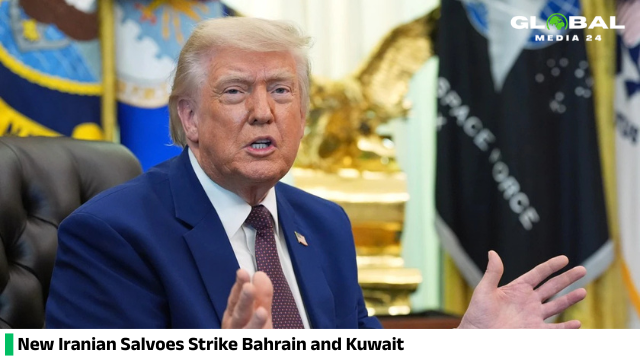
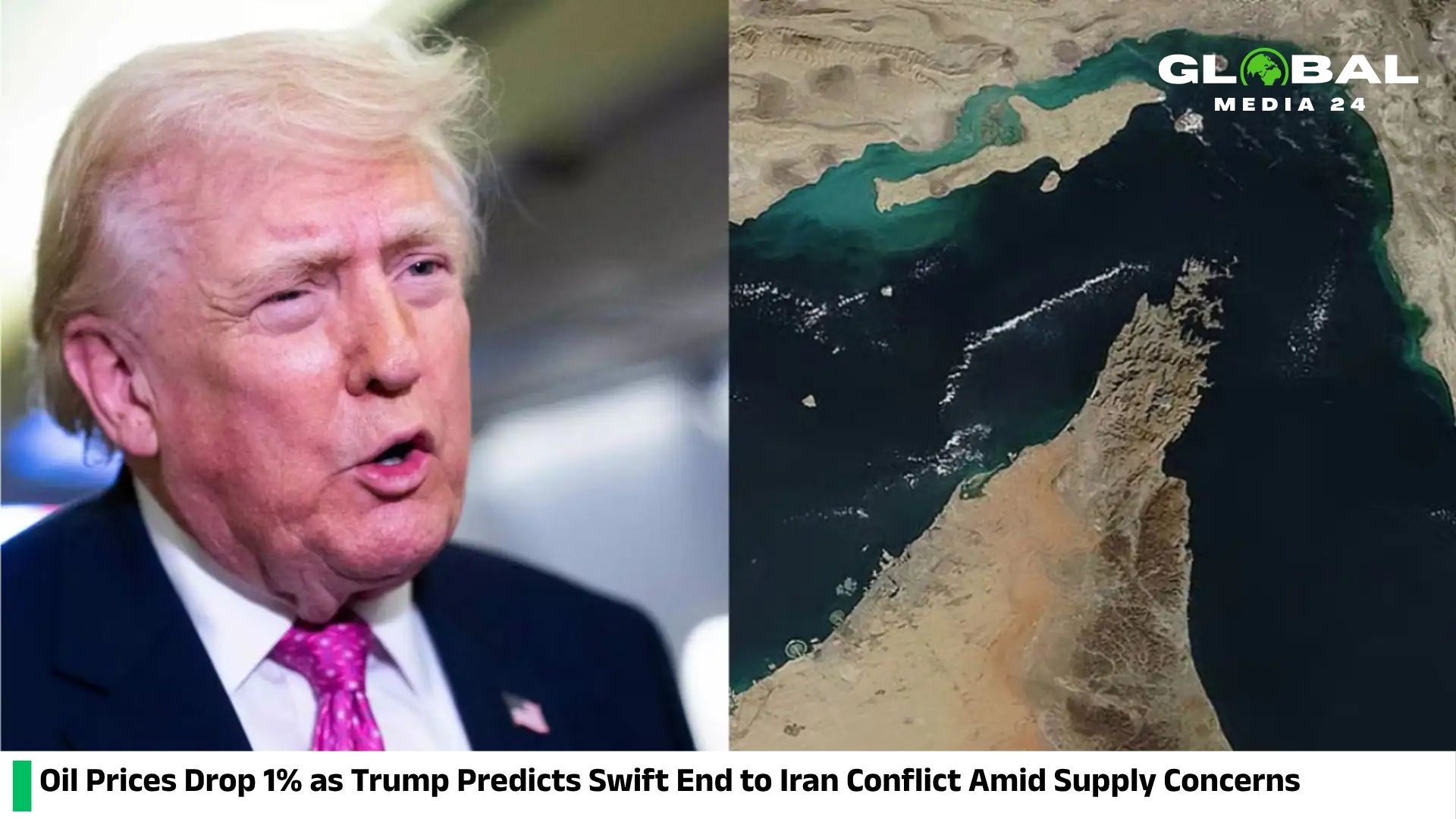
Petroleum rates decreased roughly 1% on Wednesday following U.S. Executive Donald Trump repeatedly claiming the conflict regarding Iran will conclude “exceptionally fast.”
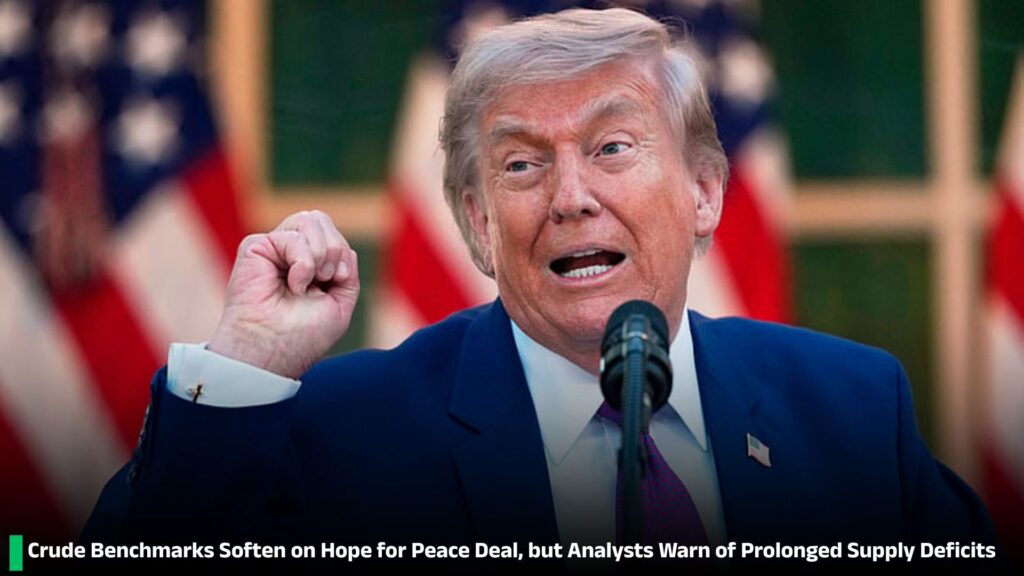
Oil prices fell by nearly 1% on Wednesday after U.S. President Donald Trump reiterated that the conflict with Iran would end “very soon,” although investors remain cautious regarding the outcome of peace talks amidst persistent supply disruptions in the Middle East.
By 6:40 a.m. London time, Brent crude oil futures had dropped $1.11, or 1.0%, to $110.17 per barrel, while U.S. West Texas Intermediate futures fell $1.12, or 1.1%, to $103.03.
“Benchmark prices softened on the prospect of a potential deal, as the market attempts to price in the geopolitical implications,” said Ameril Jamil, a senior oil research analyst at LSEG.
“However,” he added, “even if a deal is reached, prices are still likely to see some upside, as supply may not immediately return to pre-conflict levels.”
Both benchmarks fell by approximately $1 on Tuesday after U.S. Vice President J.D. Vance stated that the U.S. and Iran had made progress in negotiations and that neither side wished to see a resumption of military action.
“Investors are keen to determine whether Washington and Tehran can truly forge a consensus and reach a peace agreement, given that the U.S. stance appears to be shifting on a daily basis,” said Toshitaka Tazawa, an analyst at Fujitomi Securities.
“Considering the possibility of renewed U.S. strikes on Iran—and the expectation that even if a peace deal is struck, crude oil supplies will not quickly revert to pre-conflict levels—oil prices are likely to remain elevated,” he noted.
Late Tuesday, Trump told U.S. lawmakers that the fighting would end swiftly; however, he had previously stated that the U.S. might be compelled to strike Iran again—an order he reportedly called off just one hour before it was set to be executed. His comments regarding the need to launch a fresh attack came a day after he stated that, following Tehran’s new proposal to end the U.S.-Israel conflict, he had halted his plans to resume hostilities.
Trump also asserted that Iran’s leaders are begging for a deal and warned that, if no agreement is reached, the U.S. will launch a new attack in the coming days. On Tuesday, Citi stated that it expects Brent crude to soon rise to $120 per barrel, adding that oil markets are underestimating the risks of prolonged supply disruptions and significant “tail risks.”
Recently, a few tankers have managed to traverse the Strait of Hormuz, although their numbers remain significantly lower than the approximately 130 vessels that typically passed through on a daily basis prior to the conflict.
On Wednesday, two supertankers exited the Strait of Hormuz, while another tanker—carrying 6 million barrels of Middle Eastern crude oil—is currently departing after waiting in the Gulf for over two months.
To offset the global supply shortages caused by the conflict, nations are drawing upon their commercial and strategic inventories.
According to market sources citing data released Tuesday by the American Petroleum Institute, U.S. crude oil inventories declined for the fifth consecutive week last week, while fuel stocks also fell.
According to a Reuters poll ahead of the Energy Information Administration’s report, U.S. crude oil inventories are expected to have dropped by approximately 3.4 million barrels for the week ending May 15. The weekly EIA data is scheduled to be released later on Wednesday.