Iran says progress has been made in talks with the US, but a deal is still not close.
This comment by Foreign Ministry spokesperson Ismail Bakai follows a statement by US Secretary of State Marco Rubio, in which he suggested that an agreement might be reached on Monday.
“It is accurate to say that we have reached a conclusion on a significant portion of the issues under discussion,” Bakai stated in Tehran on Monday. “However, to suggest that this implies an imminent signing of an agreement—no one can make such a claim.”
Reports indicate that this Memorandum of Understanding includes provisions for extending the 60-day ceasefire, reopening the Strait of Hormuz, and outlining a plan for future negotiations regarding Iran’s nuclear program.
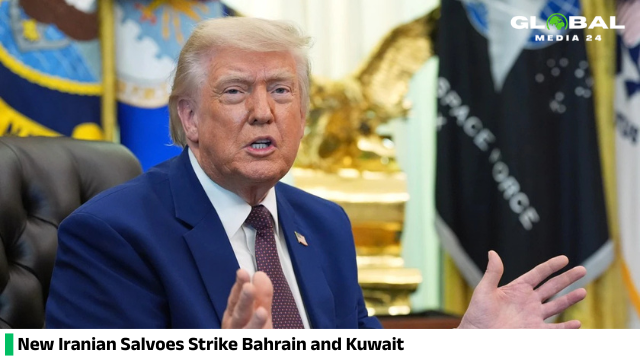
Over the weekend, President Donald Trump remarked that both sides were working toward a deal, though he later added that he had instructed negotiators “not to rush into an agreement.”
Speaking to reporters in the Indian capital, New Delhi, on Monday, Rubio said: “We thought we might receive some news last night. Perhaps we will get it today.”
Rubio cautioned, however: “I wouldn’t read too much into that,” noting that “it will take some time to receive a response from Iran.”
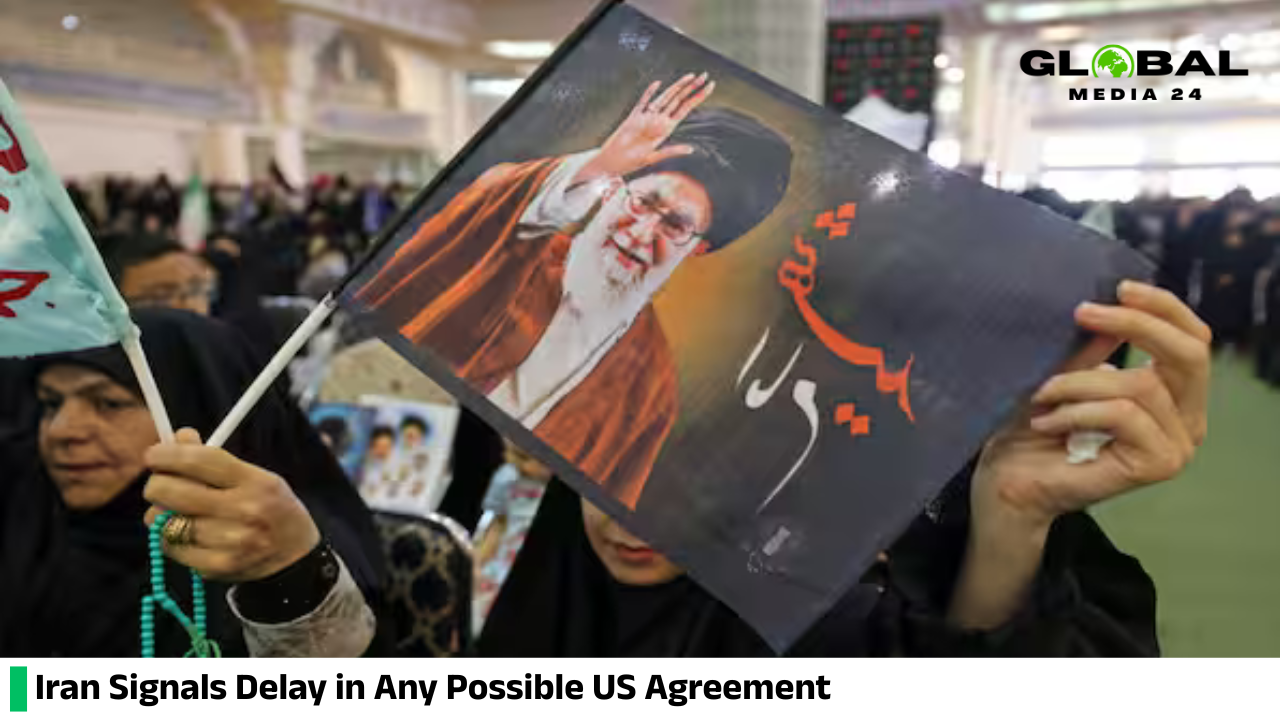
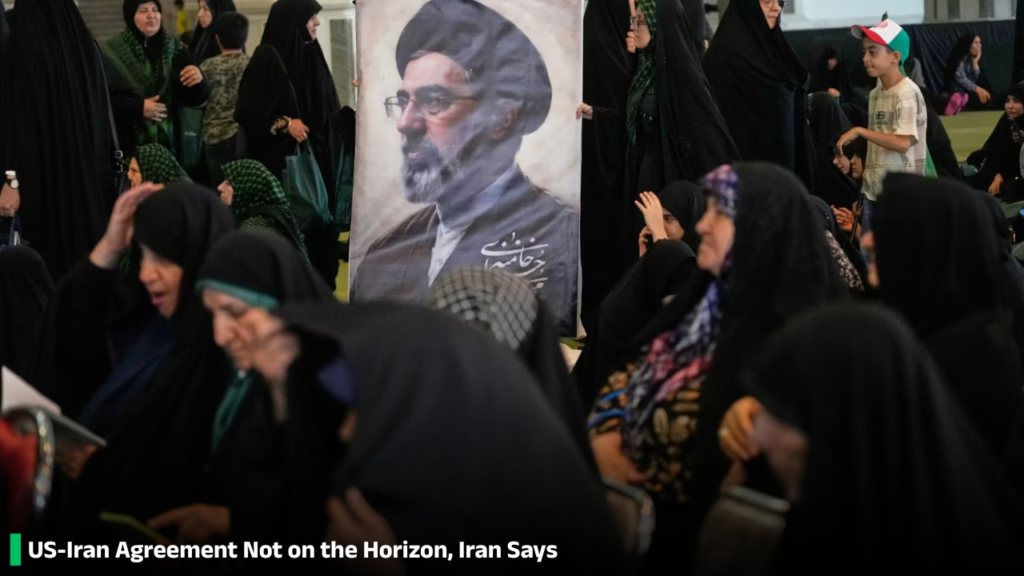
It has been reported that US intelligence agencies believe Iran’s Supreme Leader, Mojtaba Khamenei—who was wounded in an Israeli strike on the first day of the conflict, an attack in which his father and predecessor were killed—is currently in hiding at an undisclosed location; this situation is reportedly complicating communications with his envoys and, consequently, causing delays in the negotiations with the US.
According to US media, this deal is not a final agreement; rather, some of the most difficult issues have been left for future negotiation—including the scope and timing of sanctions relief for Iran, the release of Iran’s frozen assets, and Washington’s demands that Iran curb its nuclear ambitions.
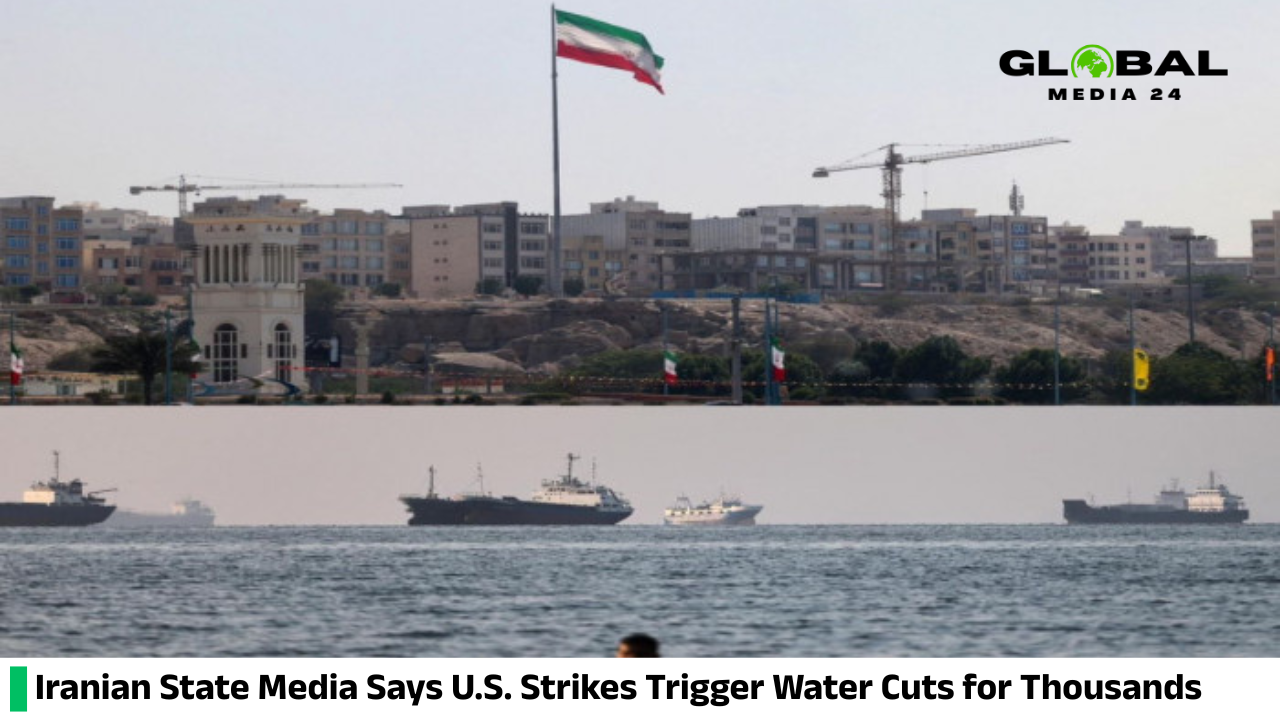
Referring to the Strait of Hormuz, he stated, “So, I think we have a very solid position regarding their capacity to keep the strait open.” This waterway serves as a transit route for 20% of the world’s oil and liquefied natural gas—traffic that Iran has been obstructing.
On Monday, oil prices fell sharply and Asian stock markets rallied amid hopes of an agreement.
This alleged deal has divided Trump’s Republicans, with some openly arguing that it is too soft on Iran.
Senator Ted Cruz stated that it would be “a huge mistake,” while Roger Wicker, Chairman of the Senate Armed Services Committee, warned that a 60-day ceasefire would mean “everything achieved through Operation Epic Fury would be rendered futile!”
Senator Lindsey Graham, a close ally of Trump, also criticized any deal that would allow Iran to be perceived as a major power in the region.
He remarked, “It makes one wonder why the war was started in the first place.”
Trump responded to his critics by calling them “losers” and stated that “a deal with Iran will either be very good and meaningful, or there will be no deal at all.”
Even under the best-case scenario, the impact of any deal is unlikely to be felt immediately.
Lars Jensen—CEO of Vespucci Maritime and former director at the shipping company Maersk—told Radio 4’s Today program that it could take months for the shipping industry to reintegrate into supply chains that are “physically in the same condition as they were before the crisis.”
Jensen noted that even if a deal between Iran and the US is announced in the coming days, the industry would still be “cautious and hesitant” to implement any “major operational changes.”