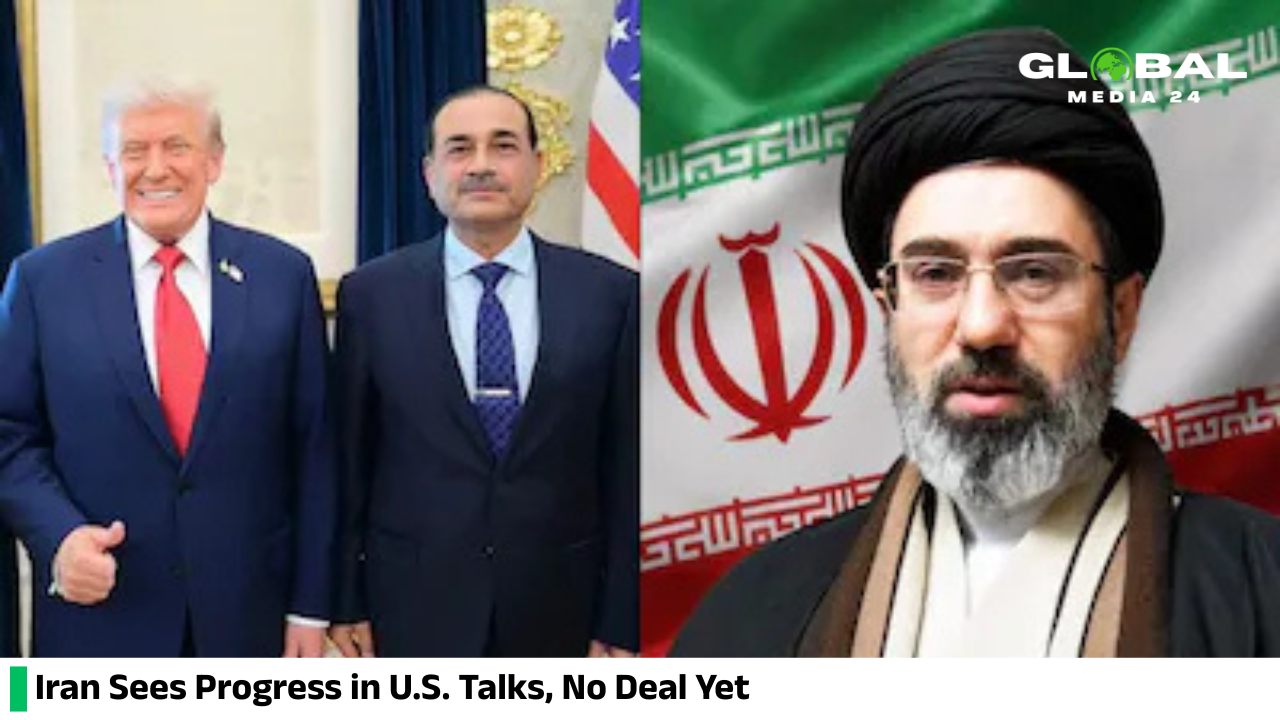
Iran has indicated significant progress in ongoing discussions with the United States, signaling renewed diplomatic momentum despite the absence of an imminent agreement. The evolving negotiations continue to attract international attention as both nations navigate key political and strategic challenges tied to regional stability and future cooperation.
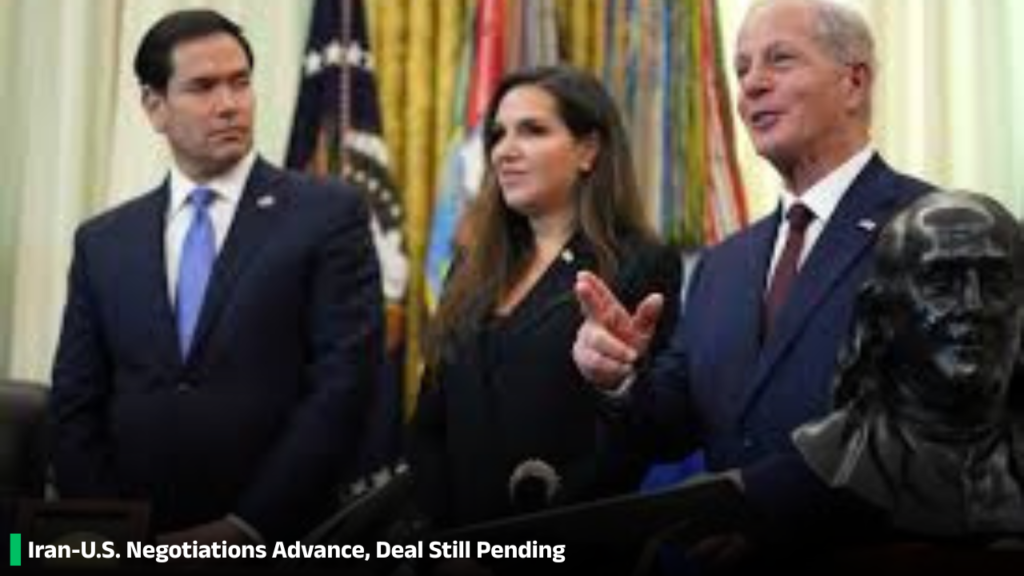
Iran has revealed that recent diplomatic discussions with the United States have produced what officials described as “constructive progress,” though Tehran has made it clear that a final agreement is still far from complete. The latest developments have generated cautious optimism internationally as both nations continue delicate negotiations aimed at lowering tensions and avoiding further instability across the Middle East.
Iranian officials stated that multiple areas under discussion have moved forward positively during recent rounds of indirect talks. However, authorities also stressed that important disagreements continue to stand in the way of any immediate breakthrough. According to officials in Tehran, while several issues have reached preliminary understanding, there is currently no finalized framework ready for signing.
The negotiations are taking place during one of the most politically sensitive moments in the region in recent years. Rising geopolitical uncertainty, military tensions, and disruptions linked to maritime security have increased pressure on both Washington and Tehran to keep diplomatic channels active. Analysts believe the current talks represent an attempt by both sides to prevent further escalation while protecting their own strategic interests.
Iran’s Foreign Ministry indicated that the discussions are mainly centered on reducing regional conflict and stabilizing international shipping activity rather than directly focusing on nuclear negotiations. Tehran has repeatedly argued that inconsistent positions from American officials continue to complicate the process and slow overall progress toward a broader understanding.
Despite these concerns, diplomatic momentum appears stronger than it has been in months. Political observers say both governments recognize the growing economic and security risks tied to prolonged instability in the region. Global markets have reacted closely to every update surrounding the negotiations, especially because any future agreement could significantly impact oil prices, trade routes, and investor confidence worldwide.
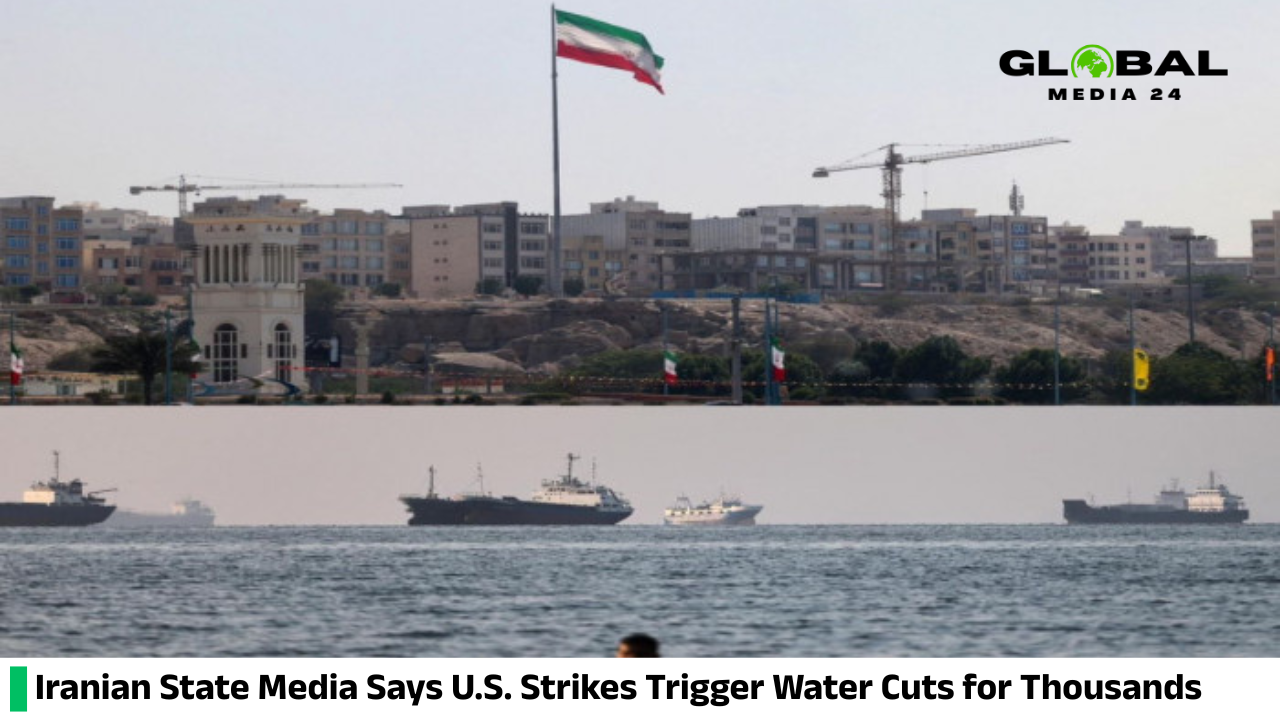
One of the most important factors connected to the discussions remains the future of the Strait of Hormuz, one of the world’s most strategically vital oil transit routes. Any disruption in the area has the potential to affect global energy supplies and international shipping operations. Experts believe both Iran and the United States understand the importance of avoiding further conflict near the waterway, which may explain the renewed diplomatic engagement between the two countries.
American officials have also acknowledged signs of progress but continue to publicly maintain a cautious approach. Washington has emphasized that negotiations remain ongoing and that no official agreement has yet been reached. U.S. representatives reportedly continue to evaluate multiple proposals involving regional security arrangements, maritime access, and economic measures connected to sanctions relief.
International observers say the latest round of diplomacy reflects a broader effort to create temporary stability while leaving more difficult political disputes for future negotiations. Several reports suggest that discussions behind closed doors may involve economic cooperation, shipping access, and broader regional de-escalation measures. However, neither side has confirmed the complete details being discussed privately.
The talks are also being closely monitored by governments across Europe and the Middle East. Regional powers remain concerned about how a possible United States-Iran understanding could reshape political alliances and influence future security strategies throughout the region.
Financial markets responded carefully to the latest reports, with energy traders paying particular attention to any signals involving oil exports and shipping routes. Investors remain cautious because previous negotiations between Washington and Tehran have often experienced sudden setbacks after periods of optimism.
Despite the more positive tone emerging from both sides, experts continue to warn that major obstacles remain unresolved. Longstanding disagreements involving sanctions, military influence, and regional security policies are expected to remain difficult issues during future rounds of talks.
For now, Iran’s latest comments suggest that diplomacy between Tehran and Washington is moving in a more constructive direction, even though a comprehensive agreement still appears distant.