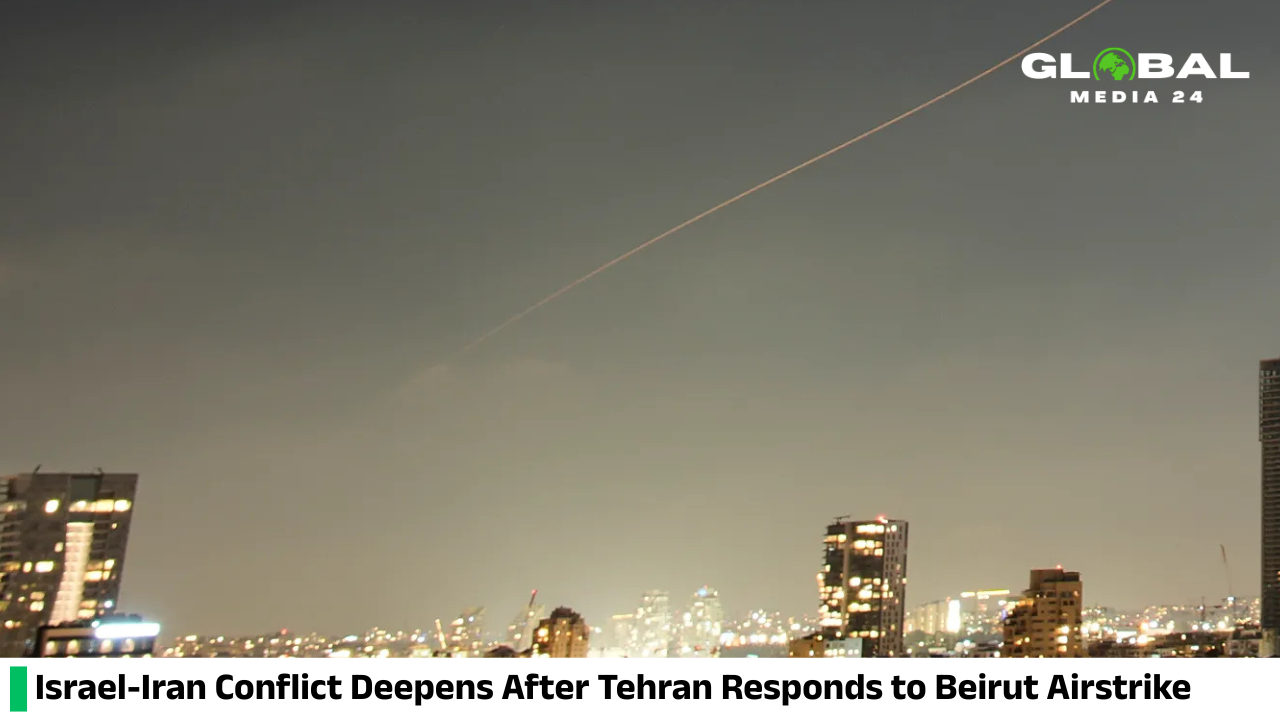
The uncertainty highlights how significantly the U.S.–Israeli strikes on Iran have transformed global politics over the past two weeks.
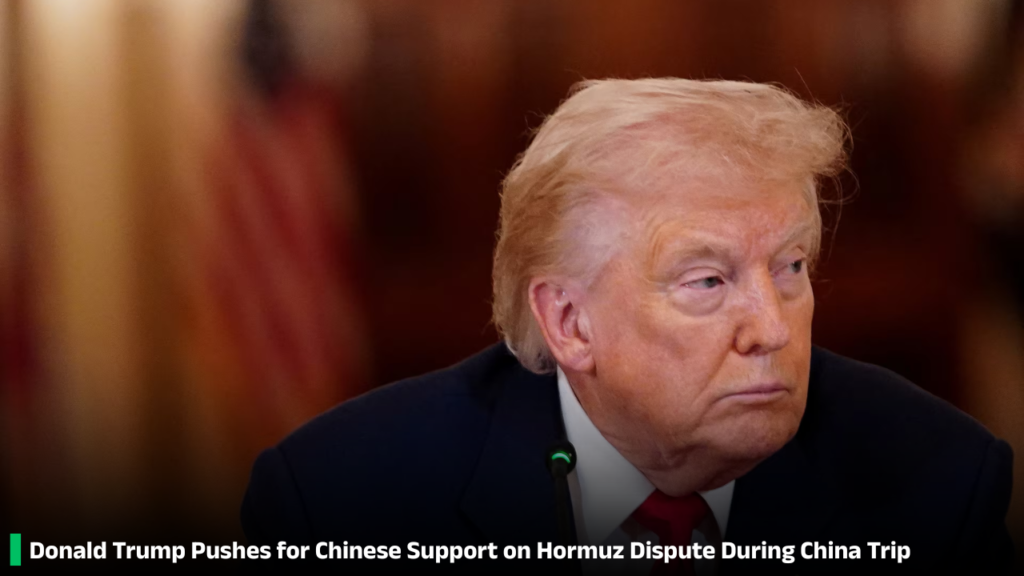
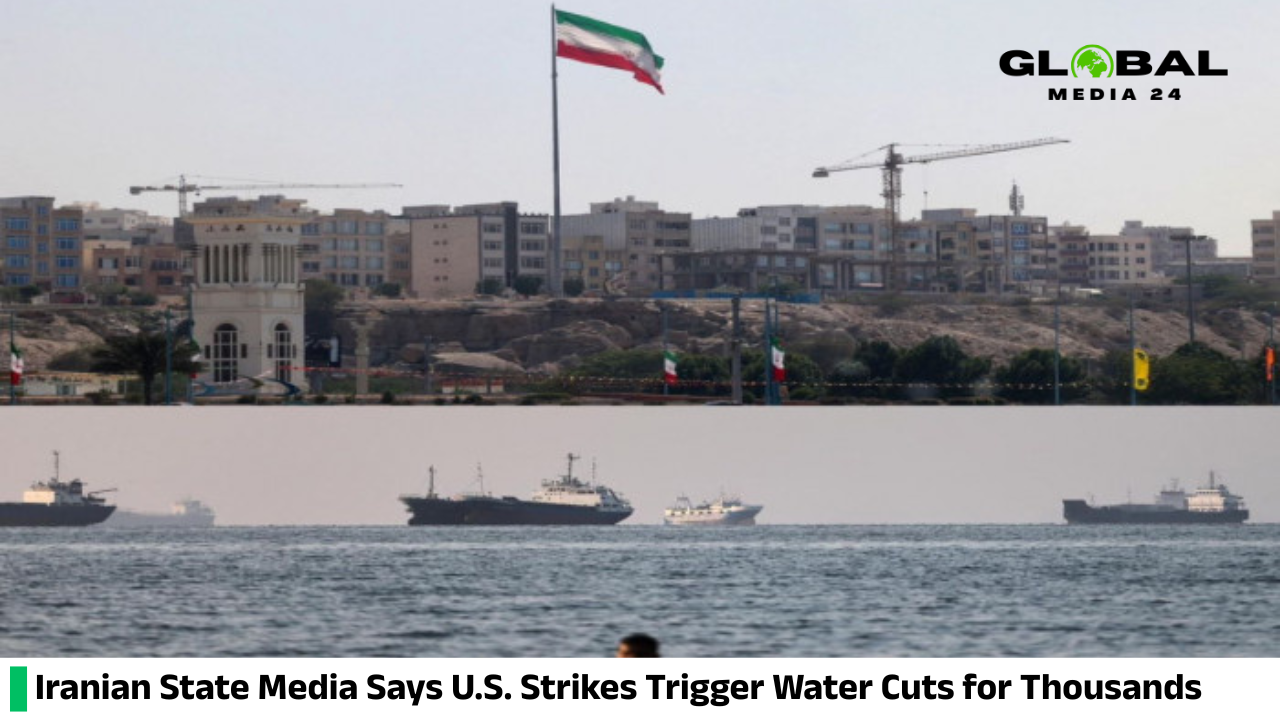
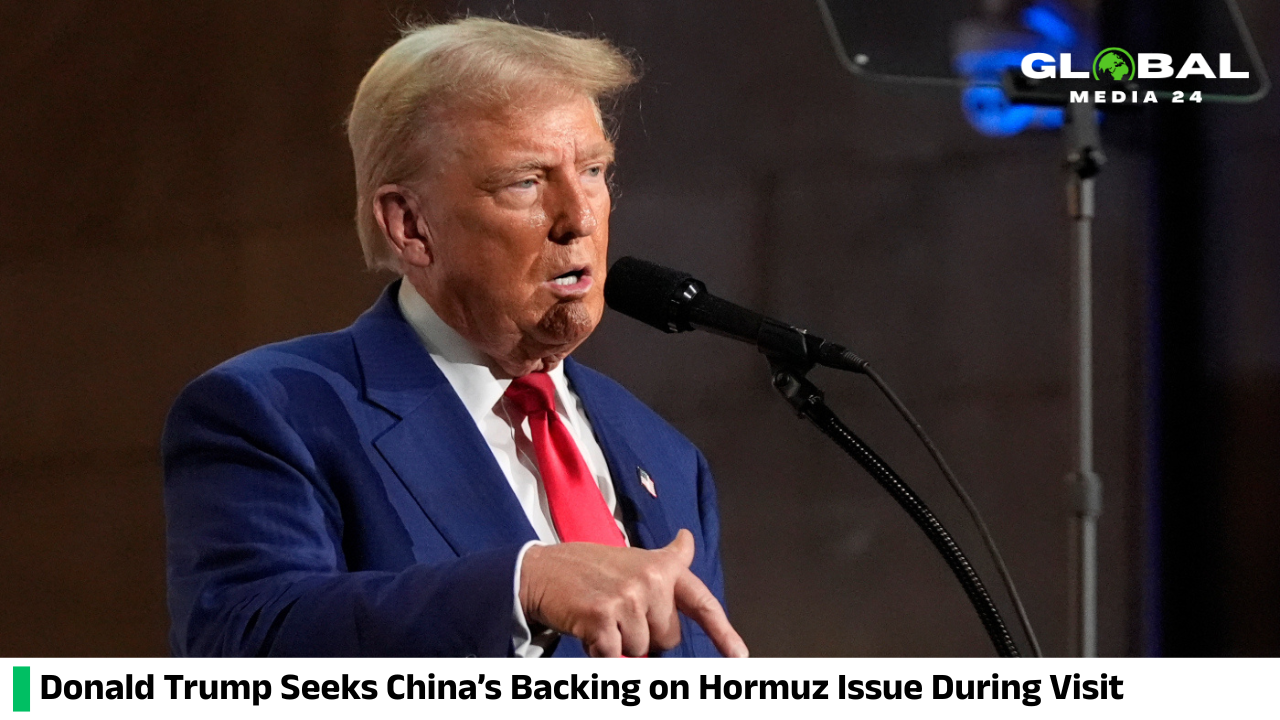
President Donald Trump has suggested that he might postpone his highly anticipated visit to China, scheduled for later this month. He seeks to intensify pressure on Beijing to assist in reopening the Strait of Hormuz and in stabilizing oil prices, which have surged amidst the conflict with Iran.
In an interview with the Financial Times on Sunday, Trump stated that China’s reliance on oil from the Middle East implies that it should support the new coalition he is attempting to forge. This coalition aims to facilitate the movement of oil tanker traffic through the Strait following threats from Iran—threats that have disrupted the global flow of oil.
“We would want to know before the trip whether Beijing will help or not,” Trump said. “We could delay [the visit],” he added during the interview.
This uncertainty underscores the extent to which U.S.-Israeli strikes against Iran over the past two weeks have reshaped the landscape of global politics.
Canceling a face-to-face meeting with Chinese President Xi Jinping could carry significant economic repercussions; relations between Washington and Beijing have been strained since last year, when both sides threatened to impose heavy tariffs on one another.
The White House did not immediately respond to a request for comment.
Trump’s latest remarks came as U.S. Treasury Secretary Scott Bessent met on Monday in Paris with China’s Vice Premier He Lifeng for a new round of trade negotiations—talks intended to pave the way for Trump’s visit to Beijing.
The United States and China have declared a truce, thereby averting the imposition of further tariffs on each other; nevertheless, the stakes remain high.
In the early days of the conflict with Iran, Trump stated that U.S. Navy vessels would escort oil tankers through the Strait, and he downplayed the threat posed by Iran.
However, as oil prices surged, he and his administration were compelled to consider new options—including, this weekend, the idea that other nations should join this effort by contributing their own warships. So far, no country has formally heeded this call.
Speaking to reporters aboard Air Force While returning to Washington after spending the weekend in Florida, Trump mentioned that the United States had spoken with “about seven” nations regarding the provision of military support.
However, he did not specify which nations, and when asked directly about China, he demurred—though he later suggested that he had, in fact, extended such a proposal to Beijing.
“China is an interesting case study,” he remarked, noting its reliance on oil from the Gulf. “So I said, ‘Would you like to get involved?’ and we’ll figure it out. Maybe they will; maybe they won’t.”
Oil prices are skyrocketing due to the conflict with Iran, driving up the cost Americans are paying at the pump—at a time when the midterm election season is just getting underway.
However, China has been grappling with its own economic pressures; it recently lowered its growth target for 2026 to a range of 4.5% to 5%—marking its slowest projected growth rate since 1991. This implies that a prolonged disruption in the Strait could have significant long-term repercussions for Beijing as well.
Before Trump suggested the possibility of canceling his trip, a spokesperson for the Chinese Embassy in Washington had offered no firm commitment regarding Trump’s appeal for external assistance in the Strait.
The spokesperson stated, “The Strait of Hormuz and the surrounding waters constitute a vital route for international trade in goods and energy. Maintaining the security and stability of this region serves the common interests of the international community.” “It is the responsibility of all parties to ensure a stable and uninterrupted energy supply.”
The spokesperson further added: “As a true friend and strategic partner of the Middle Eastern nations, China will continue to strengthen dialogue with relevant parties—including those involved in the conflict—and play a constructive role in de-escalating tensions and restoring peace.”