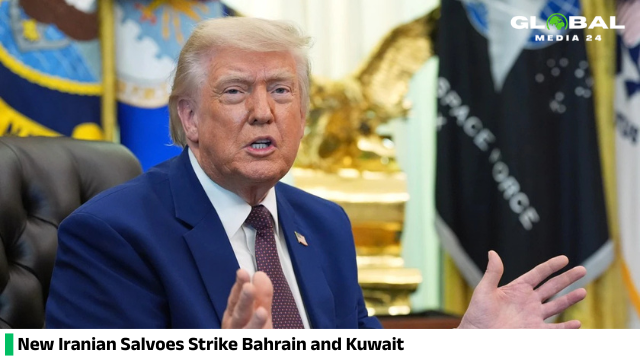
The United States, Japan’s key ally, aims to deepen cooperation with Tokyo while also easing relations with Beijing ahead of Mr. Trump’s expected visit to China in April.
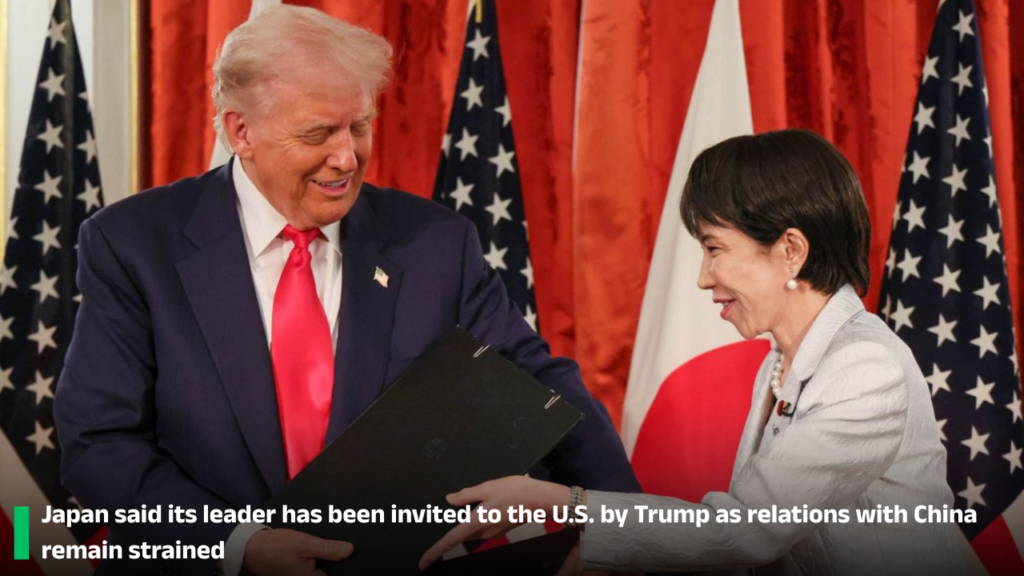
The Japanese Foreign Ministry said President Donald Trump invited Japanese Prime Minister Sanae Takaichi to visit the United States during a phone call on Friday (January 2, 2026). This would be the staunchly conservative leader’s first trip to the US since taking office in October.
The White House has not yet confirmed the call or the invitation. The development comes amid strained relations between Japan and China, which have heightened tensions in the region.
The US, a close ally of Japan, is seeking to strengthen its ties with Tokyo while also stabilizing its relationship with Beijing ahead of Mr. Trump’s planned visit to China in April.
Beijing conducted two days of military exercises in waters near Taiwan this week.
Ms. Takaichi, Japan’s first female prime minister, angered China late last year when she said that Chinese military action against Taiwan could be grounds for a Japanese military response.
Her remarks on this highly sensitive issue departed from the strategic ambiguity maintained by previous Japanese leaders.
In a statement on Friday (January 2, 2026), the Japanese Foreign Ministry said that Ms. Takaichi and Mr. Trump agreed to coordinate on a visit to take place this spring.
Japan’s Kyodo News agency reported that Ms. Takaichi’s trip could coincide with the annual Cherry Blossom Festival in Washington.
The Foreign Ministry said the two leaders agreed that they would “write a new chapter in the history of the Japan-U.S. alliance” in a year when the U.S. will celebrate the 250th anniversary of its founding and that they would further deepen “friendly relations,” including economic and security cooperation between the two countries.
The Foreign Ministry statement added that Ms. Takaichi and Mr. Trump also agreed to promote cooperation among like-minded partners, including the Japan-U.S.-South Korea partnership, and reaffirmed their commitment to a free and open Indo-Pacific.
The ministry said the two “exchanged views primarily on the Indo-Pacific region” but did not specify whether they discussed Beijing’s recent actions in the area.
China’s military drills near Taiwan came as the Trump administration announced a package of arms sales to Taiwan worth more than $11 billion.
If approved by Congress, it would be the largest such package ever provided to the island—a move that has drawn strong criticism from China.
Beijing claims sovereignty over the self-governing island and vows to seize it by force if necessary. Under domestic law, the U.S. is obligated to provide Taiwan with the necessary hardware to defend itself against any attack from the mainland.
Mr. Trump said on Monday (December 29, 2025) that he had not been informed in advance about the exercises but nevertheless spoke of his good relationship with Chinese President Xi Jinping.
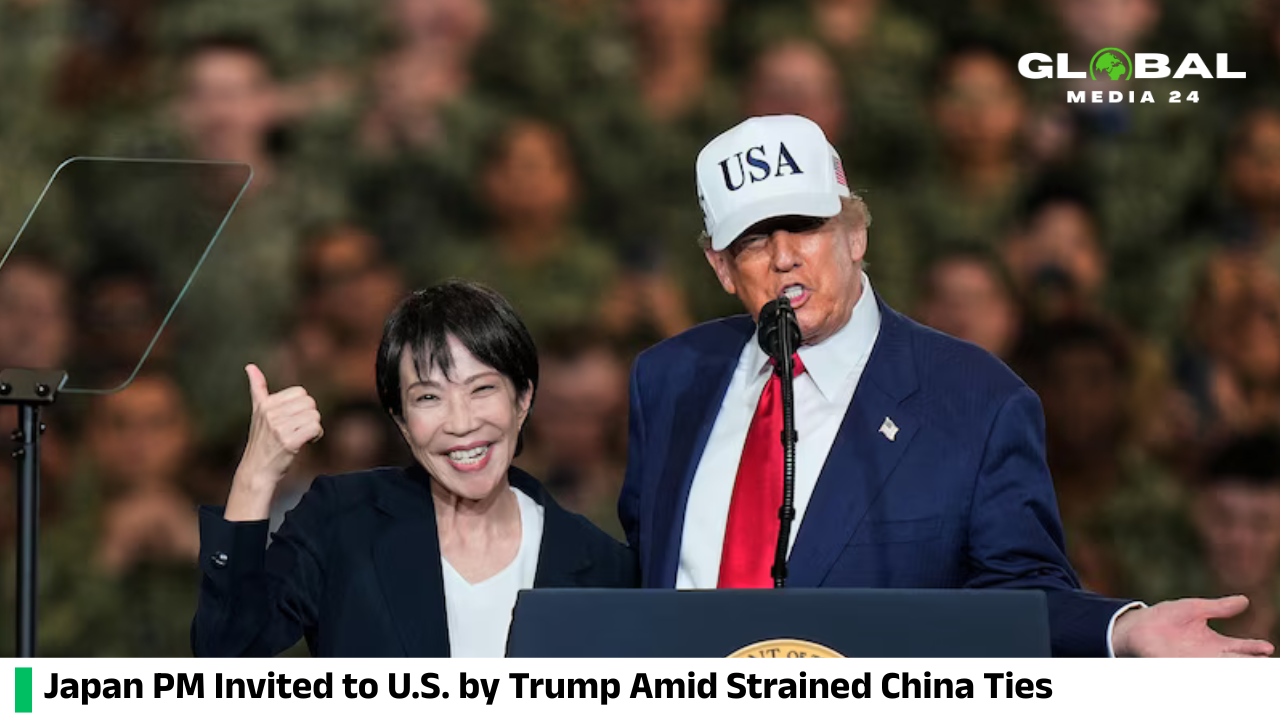
Mr. Trump met with Ms. Takaichi in Tokyo in October, shortly after she took office. They had a good conversation, and Mr. Trump even took her with him when he addressed U.S. troops on an aircraft carrier in Japan.
According to the Japanese leader, Beijing was angered by Ms. Takaichi’s comments on Taiwan, after which Mr. Trump called her and said they were “very good friends” and that she should feel free to call him anytime, although he did not specify whether they discussed her remarks during the call.
Last November, Trump called Takaichi this week and advised her not to provoke Beijing on the issue of Taiwan’s sovereignty. The US President is monitoring this development and is in contact with both Takaichi and Chinese President Xi Jinping.
Last week, China launched missiles and deployed dozens of fighter jets, naval vessels, and coast guard ships around Taiwan in live-fire drills.
These drills drew strong international condemnation, including from Japan, Australia, and European countries.