US military strikes Iranian radar and drone facilities while Kuwait intercepts missile and drone attacks. Explore the latest developments, regional tensions, global oil market impact, and Middle East conflict updates.
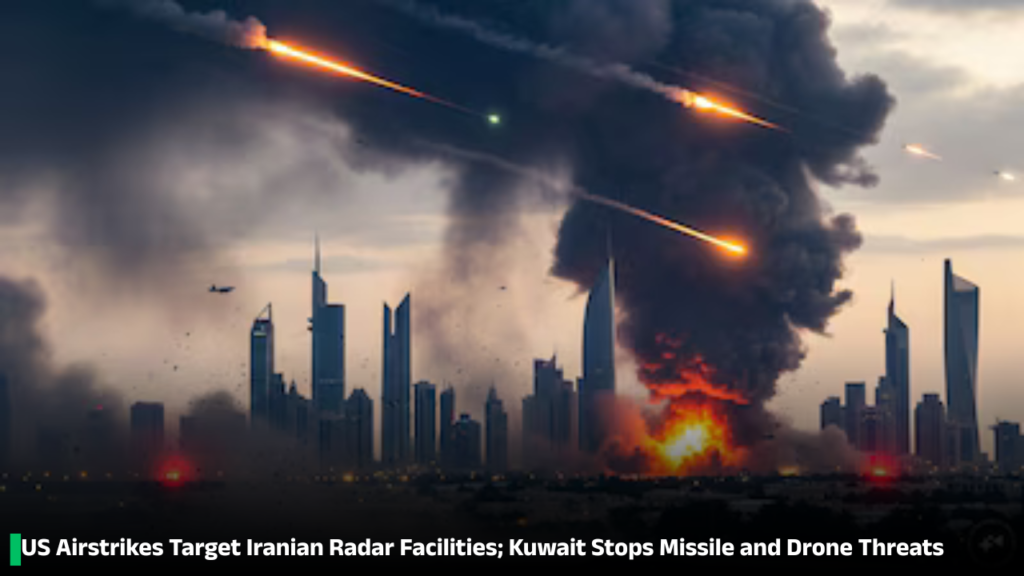
US-Iran Conflict Escalates After Radar Site Strikes and Kuwait Air Defense Activation
The Middle East witnessed another major escalation after the United States confirmed strikes on Iranian radar and drone command facilities, while Kuwait reported intercepting incoming missiles and drones during the same period. The latest developments have raised fresh concerns about regional stability, global oil supplies, and the possibility of a broader military confrontation involving multiple countries across the Gulf region.
According to US military officials, the operation targeted Iranian radar installations and drone command centers located near strategic coastal areas. Washington described the strikes as a defensive response following what it called aggressive actions by Iran, including the reported downing of an American surveillance drone over international waters.
The attacks mark one of the most significant military exchanges between the United States and Iran in recent weeks and come at a time when diplomatic efforts aimed at reducing tensions have shown little progress.
Why Did the US Strike Iranian Radar and Drone Sites?
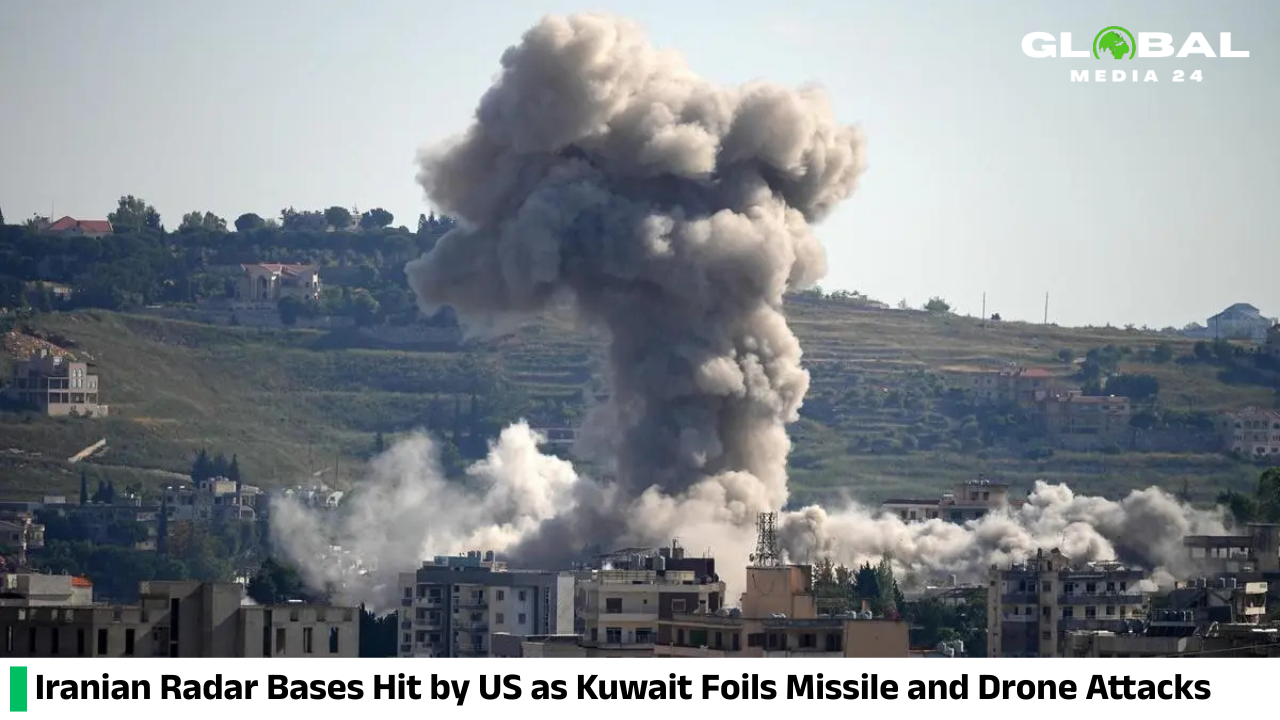
US Central Command stated that the operation focused on facilities that allegedly posed a direct threat to military and commercial navigation in the Gulf region. Military officials said the targeted sites included radar systems, drone control stations, and air defense infrastructure.
The United States argues that these systems were being used to monitor and potentially threaten ships moving through strategic waterways. American fighter aircraft reportedly destroyed several key military assets during the operation.
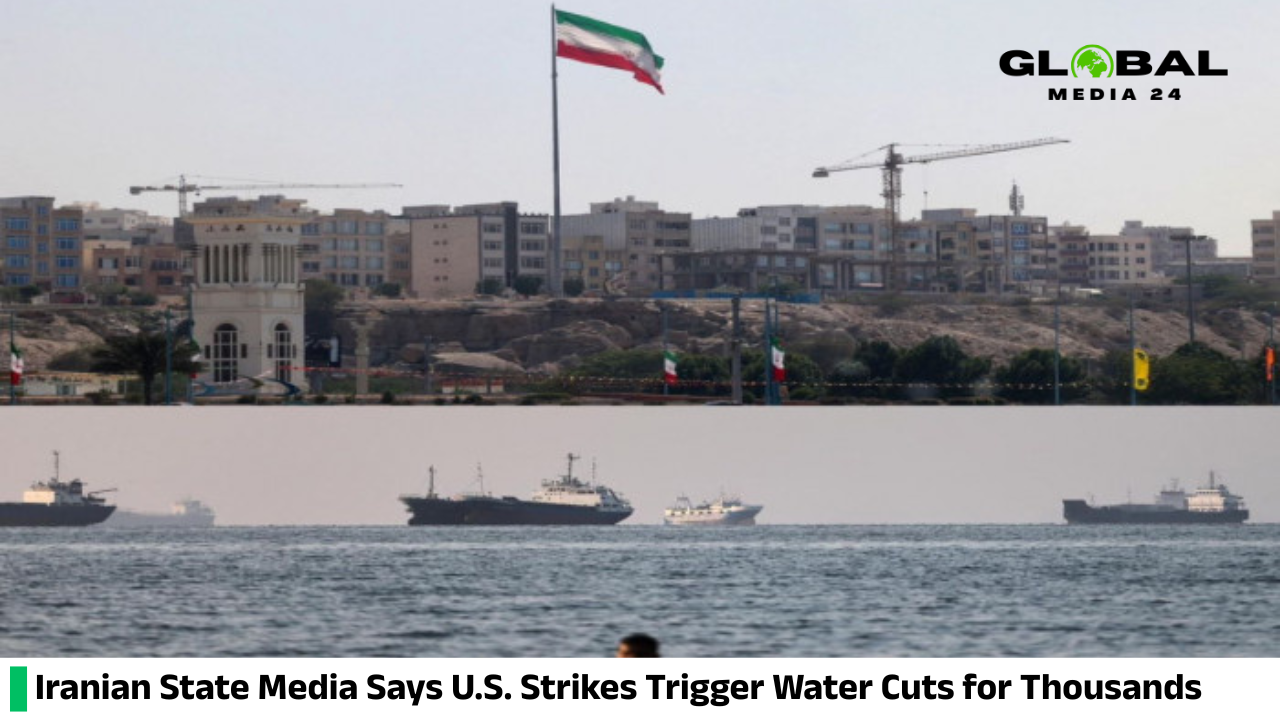
The strike follows increasing concerns over security in the Strait of Hormuz, one of the world’s most important energy corridors. Nearly one-fifth of global oil shipments pass through this narrow waterway, making any military activity in the region a matter of international concern.
Kuwait Reports Missile and Drone Attacks
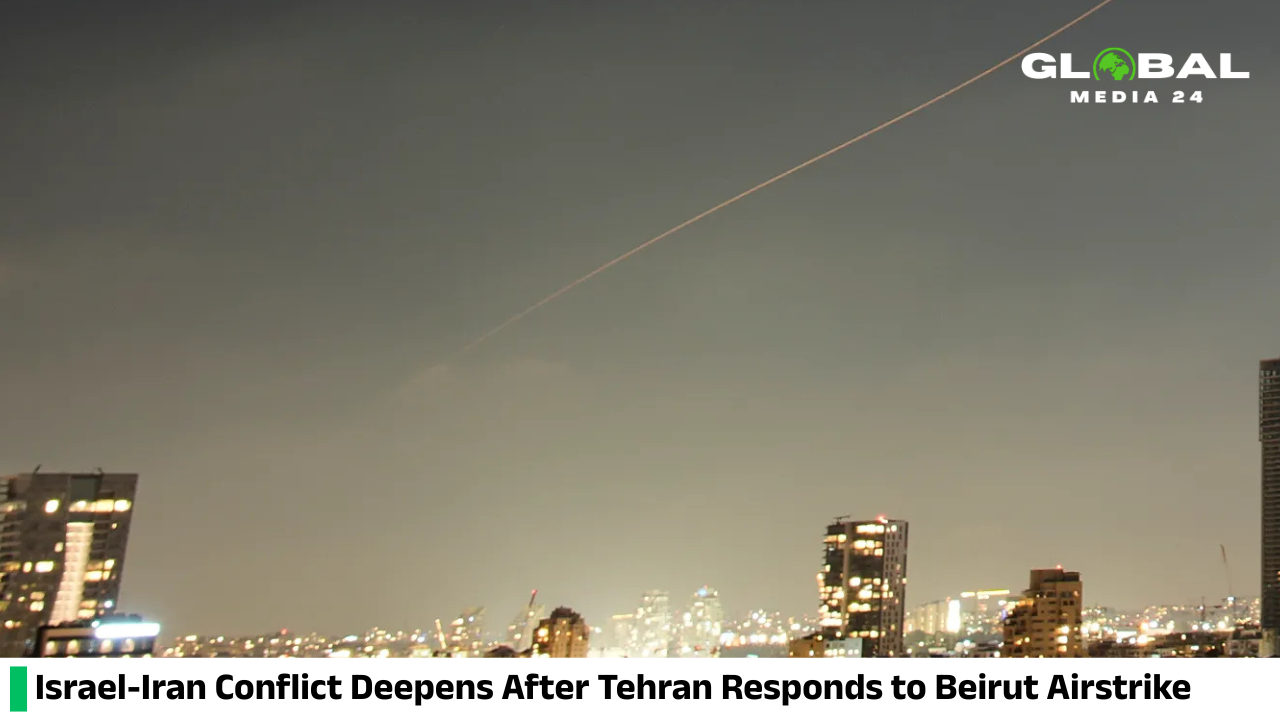
Shortly after reports of the US strikes emerged, Kuwait announced that its air defense systems had been activated to intercept hostile missile and drone threats.
Sirens reportedly sounded across parts of the country as military units tracked and engaged incoming aerial targets. Kuwaiti authorities did not immediately identify the source of the attacks, but regional observers believe the incident is linked to the broader confrontation involving Iran and US forces.
Kuwait hosts important military facilities used by the United States and its allies, making it a strategically important location during regional conflicts. The country’s defense systems were placed on high alert as authorities worked to ensure public safety.
The incident highlights how quickly military exchanges between major powers can impact neighboring nations across the Gulf region.
Iran Responds to US Military Action
Iranian officials acknowledged that military sites had been targeted and warned that any further attacks would receive a stronger response.
The Iranian Revolutionary Guard claimed that actions had been taken against facilities connected to American military operations. While Tehran did not provide detailed information about specific targets, officials insisted that Iran would continue defending its territorial sovereignty and strategic interests.
Iran has repeatedly accused Washington of increasing military pressure while simultaneously engaging in diplomatic negotiations. Iranian leaders argue that military strikes undermine trust and reduce the chances of reaching a long-term agreement.
The exchange has further complicated efforts to establish a lasting ceasefire and restore stability in the region.
Impact on Global Oil Markets
One of the biggest concerns arising from the latest conflict is its effect on global energy markets.
The Gulf region remains critical for international oil exports, and any disruption to shipping routes can immediately influence crude oil prices worldwide. Investors and energy analysts are closely monitoring developments around the Strait of Hormuz, where tensions have remained high for months.
Market experts warn that prolonged military activity could increase transportation costs, affect supply chains, and trigger price volatility in global energy markets.
Countries heavily dependent on imported oil are particularly sensitive to any disruptions in Gulf shipping lanes. Rising fuel prices could also contribute to inflationary pressures in major economies.
International Reaction to the Escalation
Governments around the world have expressed concern over the growing confrontation between Washington and Tehran.
Several international leaders have urged both sides to exercise restraint and return to diplomatic negotiations. The United Nations is expected to closely monitor developments as fears grow that further escalation could draw additional regional actors into the conflict.
Security experts warn that even limited military exchanges carry significant risks because of the concentration of military assets, energy infrastructure, and commercial shipping routes across the Gulf.
Many analysts believe the current situation remains highly unpredictable, with both sides attempting to demonstrate strength while avoiding a full-scale war.
What Happens Next?
The coming days could prove crucial for the future of US-Iran relations.
While both countries continue to exchange warnings and military responses, diplomatic channels remain open. Negotiators are reportedly still exploring possible frameworks that could reduce tensions and prevent further violence.
However, recent missile interceptions in Kuwait and direct strikes on Iranian military infrastructure show how fragile the current situation has become.
Military analysts believe additional defensive measures may be implemented across the region as governments prepare for potential retaliation or further attacks.
For now, the Middle East remains on edge as global leaders watch closely for signs of either de-escalation or a deeper regional conflict.
Conclusion
The US strikes on Iranian radar and drone facilities, combined with Kuwait’s interception of missile and drone threats, represent a major escalation in an already volatile region. With global oil markets, international shipping routes, and regional security all at stake, the world is closely monitoring every development.
Whether diplomatic efforts can prevent further conflict remains uncertain, but the latest military exchanges have once again demonstrated how quickly tensions in the Gulf can impact international stability and global economic interests.