Israeli forces have captured the strategic Beaufort Castle near Nabatiyeh in southern Lebanon, marking their deepest military advance into Lebanese territory in 26 years. The operation follows days of intense airstrikes, clashes with Hezbollah fighters, and escalating tensions along the Israel-Lebanon border. Get the latest updates, battlefield developments, and regional security analysis.
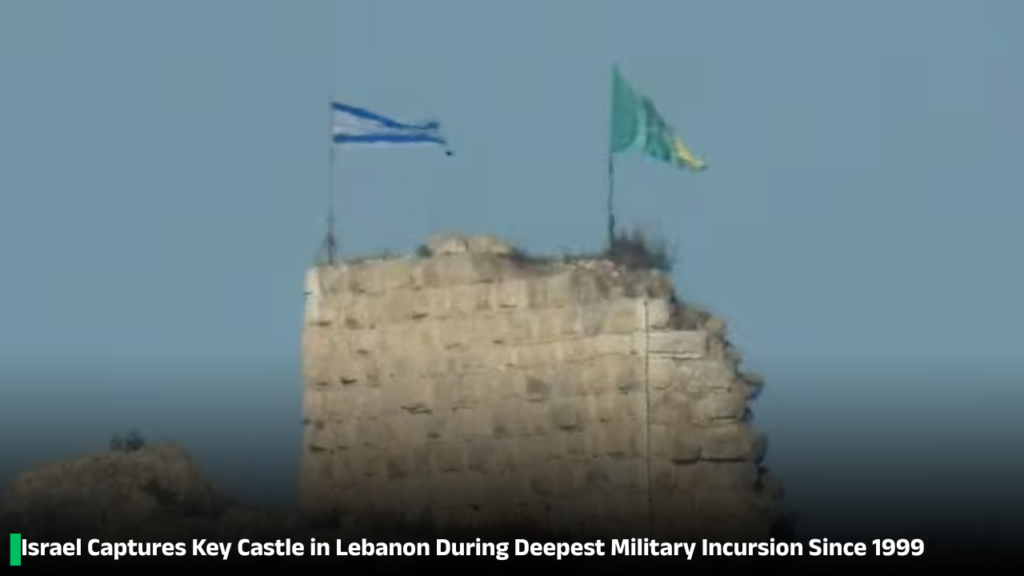
Israeli Army Captures Strategic Beaufort Castle in Southern Lebanon
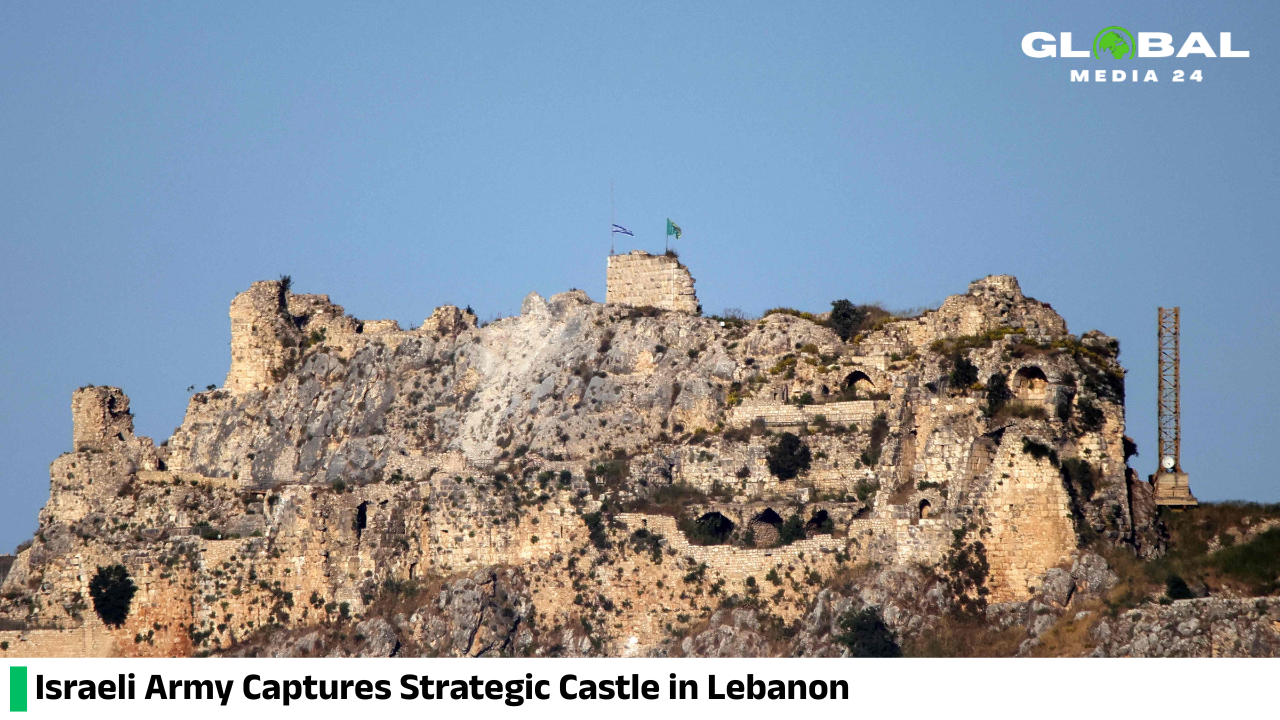
The Israeli military has taken control of the historic Beaufort Castle in southern Lebanon, marking its deepest military advance into Lebanese territory in more than two decades. The operation comes after several days of heavy airstrikes and fierce clashes between Israeli troops and Hezbollah militants in villages surrounding the strategic hilltop fortress.
The capture of Beaufort Castle represents a significant development in the ongoing conflict along the Israel-Lebanon border. Military analysts believe the fortress provides a commanding view of large parts of southern Lebanon, making it a valuable strategic position for monitoring military activity and securing nearby areas.
The latest military action has intensified concerns about the possibility of a wider regional conflict as tensions between Israel and Hezbollah continue to rise.
Why Beaufort Castle Is Strategically Important
Beaufort Castle is one of the most recognizable landmarks in southern Lebanon. Situated on a high ridge overlooking the surrounding valleys, the fortress has historically served as a military stronghold due to its elevated position.
Control of the castle offers several strategic advantages:
- Observation of key transportation routes.
- Monitoring of military movements across southern Lebanon.
- Enhanced defensive capabilities due to its hilltop location.
- Tactical oversight of nearby villages and border regions.
Military experts note that whoever controls Beaufort Castle gains a significant advantage in terms of surveillance and battlefield awareness. This explains why the location has repeatedly played a role in conflicts throughout the region’s history.
Days of Airstrikes Preceded the Operation
Before Israeli ground forces moved toward the castle, the region experienced several days of intense airstrikes. Israeli aircraft targeted multiple locations believed to be associated with Hezbollah operations in southern Lebanon.
According to reports from the area, explosions were heard across multiple villages as military activity increased. The strikes were aimed at weakening Hezbollah’s defensive positions and reducing resistance before ground troops advanced deeper into Lebanese territory.
The escalation reflects the growing intensity of hostilities that have persisted along the border for months. Both sides have exchanged fire repeatedly, raising fears of a larger confrontation.
Clashes With Hezbollah Fighters
The advance toward Beaufort Castle was not uncontested. Israeli troops reportedly encountered resistance from Hezbollah militants operating in villages surrounding the fortress.
Fighting involved exchanges of gunfire, artillery strikes, and tactical military maneuvers as both sides attempted to secure key positions. Residents in nearby communities reported hearing continuous explosions and witnessing military activity throughout the operation.
Hezbollah remains one of the most powerful armed groups in the Middle East and has maintained a strong presence in southern Lebanon for decades. The group’s extensive network of positions and local knowledge makes military operations in the region particularly challenging.
The battle for control of Beaufort Castle highlights the strategic importance of the area and the determination of both sides to secure advantageous positions.
Deepest Israeli Advance Since 2000
Military observers describe the operation as Israel’s deepest incursion into Lebanon since the withdrawal of Israeli forces from southern Lebanon in 2000.
For more than two decades, the border region has remained one of the most sensitive flashpoints in the Middle East. Periodic conflicts and cross-border exchanges have occurred, but large-scale ground operations have been relatively rare.
The seizure of Beaufort Castle therefore represents a notable shift in military activity and could signal a broader strategic objective aimed at reducing threats near Israel’s northern border.
Analysts continue to assess whether the operation is a limited tactical move or part of a larger military campaign.
Regional and International Reactions
The latest developments have attracted international attention as governments and organizations monitor the situation closely.
Regional leaders have expressed concern about the possibility of further escalation, while diplomatic efforts continue to focus on preventing a wider conflict. International observers warn that increased military activity could destabilize an already fragile security environment in the Middle East.
Humanitarian organizations are also monitoring conditions in southern Lebanon, where ongoing fighting has affected civilian communities and infrastructure.
The situation remains fluid, with both military and diplomatic developments expected in the coming days.
Impact on Southern Lebanon
Residents of southern Lebanon have once again found themselves at the center of a conflict that has shaped the region for decades.
Many communities near the fighting have experienced disruptions to daily life, including damage to infrastructure, temporary displacement, and concerns about security. Schools, businesses, and transportation networks have been affected by the ongoing hostilities.
Local authorities continue to assess conditions while emergency services work to support affected communities.
The capture of Beaufort Castle adds another chapter to the long history of conflict in southern Lebanon, a region that has frequently served as a frontline in broader regional tensions.
What Happens Next?
Military experts believe several scenarios could emerge following the seizure of Beaufort Castle.
One possibility is that Israeli forces will attempt to strengthen and maintain control of the position while conducting additional operations in nearby areas. Another possibility is that diplomatic pressure may increase to prevent further escalation and encourage a reduction in hostilities.
The response from Hezbollah will also be closely watched. Any attempt to retake strategic positions or launch retaliatory operations could influence the next phase of the conflict.
At the same time, international mediators may intensify efforts to prevent the situation from expanding into a larger regional confrontation.
Conclusion
The Israeli military’s capture of Beaufort Castle marks a significant moment in the ongoing Israel-Lebanon conflict. As Israel’s deepest advance into Lebanon in 26 years, the operation underscores the growing intensity of tensions between Israeli forces and Hezbollah militants.
With the strategic fortress now under Israeli control, attention is shifting toward what comes next. Whether the move remains a limited military operation or develops into a broader conflict will depend on decisions made by both sides in the coming days.
For now, the seizure of Beaufort Castle stands as one of the most important military developments along the Israel-Lebanon border in recent years, drawing international attention and raising fresh concerns about stability in the Middle East.