Oil prices fell sharply as hopes for a US-Iran peace deal boosted global markets and eased fears over disruptions in the Strait of Hormuz.
Growing hopes of a possible US-Iran peace deal pushed global oil prices lower on Friday, while stock markets across Asia and Europe rallied as investors reacted positively to reports of ceasefire negotiations between Washington and Tehran. The development has reduced fears of a major global energy crisis linked to disruptions in the Strait of Hormuz, one of the world’s most important oil shipping routes.
Brent crude prices slipped sharply after reports suggested that both countries were discussing a temporary agreement that could reopen critical shipping lanes and stabilize oil exports from the Middle East. Analysts believe improved oil supply expectations are the biggest reason behind the recent decline in crude oil prices.
Why Oil Prices Are Falling
Oil prices had surged earlier this year after tensions between the United States and Iran disrupted shipping activity near the Strait of Hormuz. The conflict raised concerns about global fuel shortages and pushed inflation fears higher across major economies.
However, market sentiment changed this week after reports emerged that negotiators from both countries had reached a tentative understanding aimed at reducing military tensions and restoring oil exports from the region.
According to reports, the draft agreement may include:
- A temporary 60-day ceasefire
- Reopening of the Strait of Hormuz
- Discussions on Iran’s nuclear programme
- Partial easing of economic restrictions
- Access to frozen Iranian assets
These developments have helped calm investors and reduce panic buying in global energy markets.
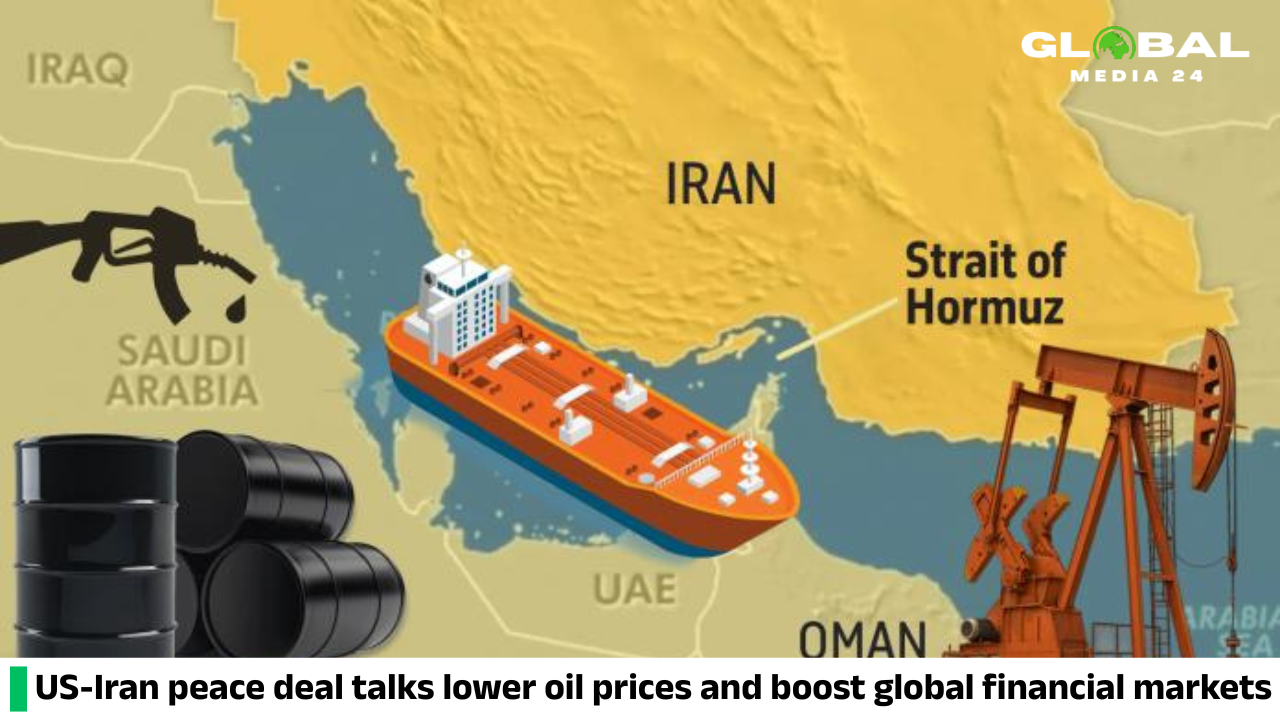
What Is the Strait of Hormuz?
The Strait of Hormuz is one of the most strategically important oil transit routes in the world. Nearly 20% of global oil supplies pass through this narrow waterway connecting the Persian Gulf to international shipping lanes.
When tensions escalated earlier this year, fears of shipping disruptions caused oil prices to jump sharply and triggered concerns about rising fuel costs worldwide. Countries heavily dependent on Middle Eastern oil, including India, China, Japan, and South Korea, closely monitored the situation.
Experts believe that reopening the route without restrictions could significantly stabilize global energy markets.
Global Stock Markets Rally
The latest peace deal reports also boosted global financial markets. Asian and European stock markets recorded gains as investors welcomed signs of easing geopolitical tensions.
Japan’s Nikkei index, Hong Kong’s Hang Seng, and South Korea’s Kospi all moved higher as hopes for improved Middle East stability boosted investor confidence.
Lower oil prices are expected to help reduce inflation pressures, transportation costs, and manufacturing expenses. Economists believe this could support global economic growth in the coming months if stability continues in the Middle East.
Fresh Sanctions Still Raise Concerns
Despite optimism surrounding peace talks, the United States has continued imposing fresh sanctions targeting Iran’s oil trade and military-linked shipping operations. The move highlights that negotiations remain fragile and that tensions are not completely resolved.
Analysts warn that any failure in negotiations or renewed military escalation could quickly send oil prices higher again. Exxon executives have also warned that global oil inventories remain critically low and prices could spike if supply disruptions continue.
What Happens Next?
The coming days are expected to be crucial for the future of the proposed US-Iran agreement. Reports suggest negotiators are working toward a temporary framework, although final approval has not yet been publicly confirmed.
If the agreement succeeds, oil prices may continue falling while global markets remain stable. However, if talks collapse, another spike in energy prices could trigger fresh inflation concerns across the global economy.
For now, investors remain cautiously optimistic as hopes for a lasting US-Iran peace deal continue to grow.
FAQ
Why are oil prices falling today?
Oil prices are falling due to growing optimism about a possible US-Iran peace agreement and easing concerns over oil supply disruptions.
What is the Strait of Hormuz?
The Strait of Hormuz is a major global oil shipping route through which nearly 20% of the world’s oil supply passes.
Is the US-Iran peace deal finalized?
No, officials say negotiations are still ongoing and no final agreement has been officially confirmed yet.
How could lower oil prices affect the economy?
Lower oil prices may reduce inflation, transportation costs, and fuel expenses while improving investor confidence worldwide.