Pakistan faces growing diplomatic and domestic pressure after Donald Trump’s push for the Abraham Accords, exposing deep political tensions and raising questions about Islamabad’s foreign policy, public opinion, and regional strategy in the evolving Middle East landscape.
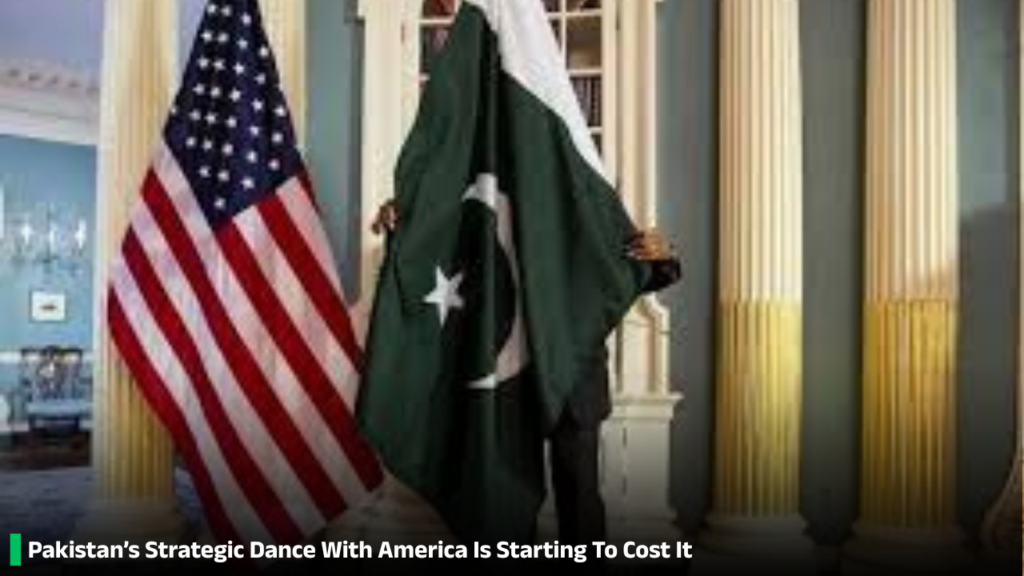
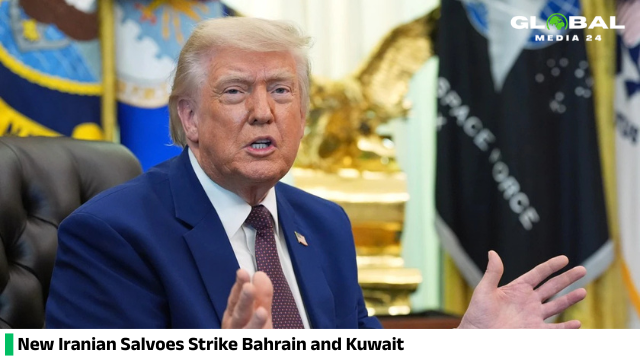
A recent Truth Social post by US President Donald Trump has sparked political debate and diplomatic tension across the Muslim world. In his statement, Trump linked a possible peace agreement with Iran to the condition that several Muslim-majority nations must simultaneously join the Abraham Accords and normalize relations with Israel. The unexpected demand has placed countries like Pakistan, Saudi Arabia, and Qatar in a highly sensitive situation.
The Abraham Accords, originally brokered during Trump’s first term, were aimed at normalizing relations between Israel and several Arab countries. Nations such as the UAE and Bahrain already signed the agreement years ago, while Egypt and Jordan have maintained diplomatic ties with Israel for decades. However, Pakistan, Saudi Arabia, and Qatar have continued to avoid formal normalization with Israel due to political, religious, and domestic concerns.
Now, Trump’s latest remarks have reopened the debate and created uncertainty in the region.
Why Pakistan Is Under Pressure
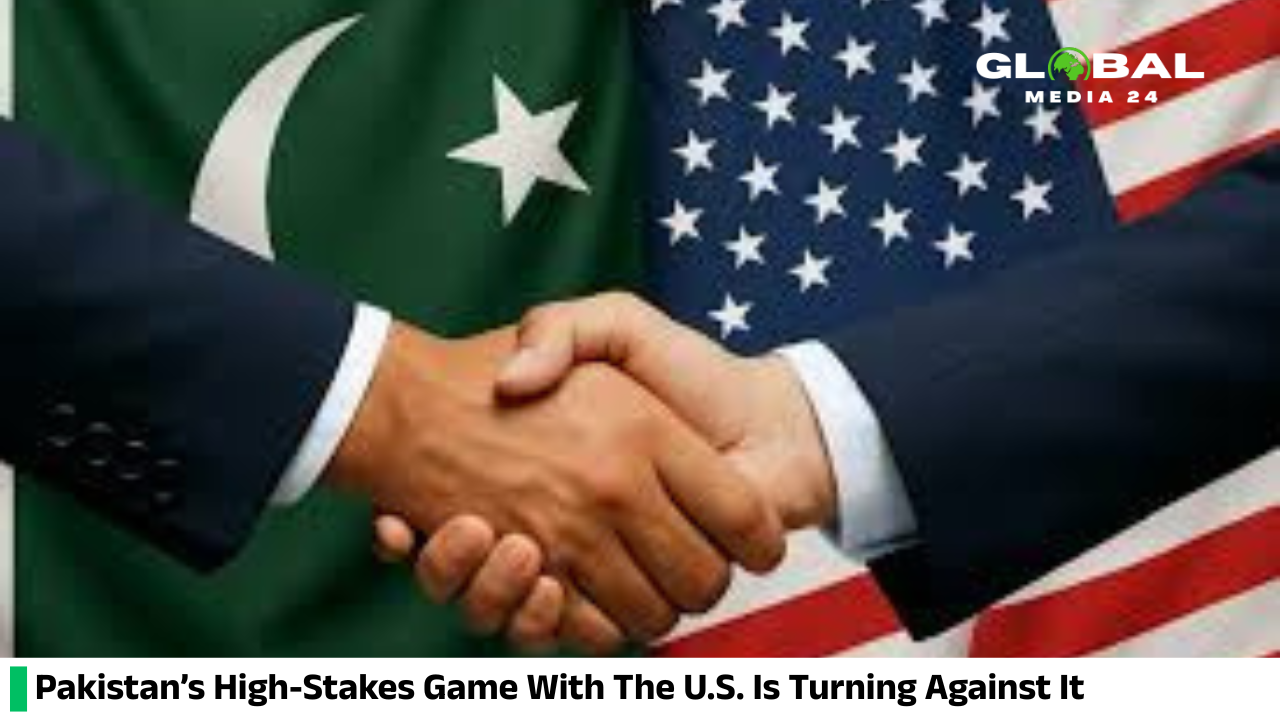
Pakistan currently finds itself caught between international diplomacy and domestic politics. If Islamabad agrees to normalize relations with Israel under American pressure, it risks a strong backlash from religious groups and the general public. On the other hand, refusing Trump’s demand could damage Pakistan’s growing strategic relationship with the United States.
In recent months, Pakistan has tried to position itself as a mediator in Middle Eastern conflicts, especially amid rising tensions involving Iran. The country hopes that playing a diplomatic role in the region could improve its international image and create economic and security opportunities. However, Trump’s new condition has complicated Pakistan’s calculations.
The Pakistani government has officially repeated its traditional stance: it will not recognize Israel until a two-state solution is implemented and an independent Palestinian state is established based on pre-1967 borders with East Jerusalem as its capital.
Pakistan’s Hidden Debate on Israel
Although Pakistan publicly maintains a hardline position on Israel, discussions about possible engagement with the Jewish state have quietly existed within political and military circles for years.
Some Pakistani strategists believe that opening relations with Israel could benefit Pakistan in several ways. One major argument is linked to India. Since India shares strong diplomatic and defense ties with Israel, some analysts in Pakistan feel Islamabad has lost strategic opportunities by completely avoiding relations with Tel Aviv.
There is also interest in Israeli agricultural technology, defense systems, cybersecurity expertise, and stronger access to Washington’s political circles. Supporters of normalization believe Pakistan could gain economic and diplomatic advantages by changing its policy.
Over the years, reports have surfaced about unofficial meetings between Pakistani and Israeli representatives, though most were kept secret or denied publicly. During Trump’s first presidency, similar pressure was placed on Saudi Arabia, Indonesia, and Pakistan to join the Abraham Accords. At that time, these countries managed to avoid taking a clear position.
Saudi Arabia and Qatar Face Similar Challenges
Saudi Arabia is also under intense international pressure. Crown Prince Mohammed bin Salman has often been viewed as open to modernization and regional diplomacy, but normalization with Israel remains a sensitive issue inside the Kingdom.
Saudi Arabia holds a unique position in the Muslim world because it is home to Islam’s holiest sites. Any sudden decision to establish ties with Israel could trigger criticism from both domestic audiences and the wider Islamic community.
Qatar faces a different challenge. The country has historically supported Palestinian causes and maintained communication with groups such as Hamas. Because of this, openly joining the Abraham Accords could create diplomatic complications for Doha.
Trump’s Strategy or Political Pressure?
Political analysts remain divided on whether Trump’s statement represents a serious diplomatic strategy or simply a pressure tactic. However, given Trump’s history of unpredictable foreign policy decisions, regional governments are taking the remarks seriously.
By linking Iran peace negotiations with the Abraham Accords, Trump has effectively shifted the diplomatic conversation in West Asia. Countries that refuse normalization may fear losing American support, while those that agree risk domestic instability and political unrest.
This balancing act has become especially difficult for Pakistan, where anti-Israel sentiment remains deeply rooted in politics and society.
The Regional Impact
The Abraham Accords are no longer just about Israel and Arab nations. They now represent a broader geopolitical framework involving security cooperation, economic partnerships, and American influence in the Middle East.
If more Muslim-majority countries eventually join the agreement, it could significantly reshape regional alliances. At the same time, forcing countries into normalization without addressing the Palestinian issue could create long-term instability and public anger.
For Pakistan, the decision is particularly delicate. The country wants stronger international partnerships and economic opportunities, but it also cannot ignore public opinion and religious sensitivities at home.
Conclusion
Trump’s latest comments have once again brought the Abraham Accords into global headlines. Pakistan, Saudi Arabia, and Qatar are now facing one of the most difficult diplomatic choices in recent years.
Whether these nations move toward normalization with Israel or continue resisting American pressure will have major consequences for the future of Middle Eastern politics. As tensions continue to rise in the region, the coming months could prove decisive for both regional stability and international diplomacy.