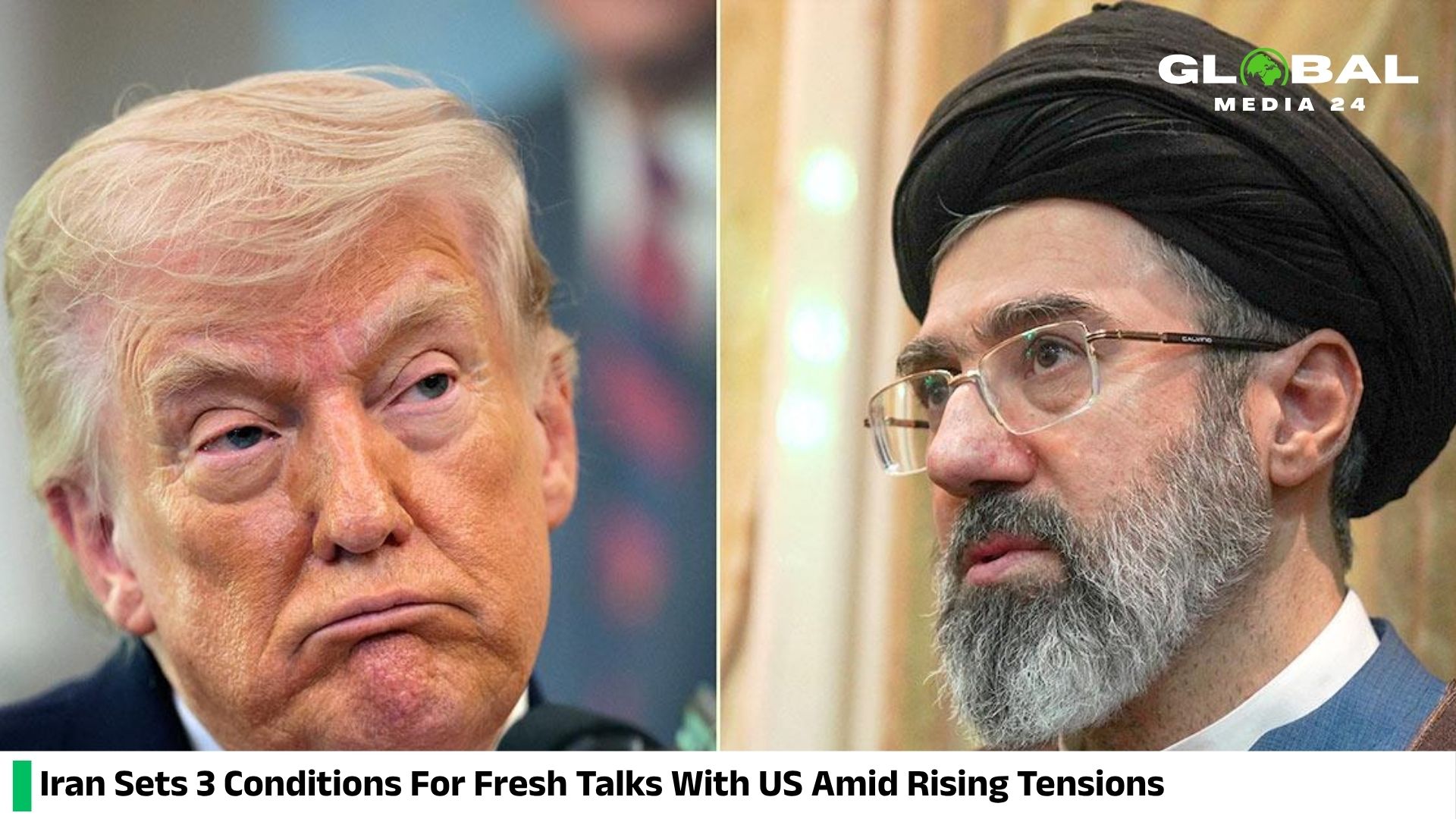
Iran has proposed a three-stage plan if the United States wants to resume peace talks.
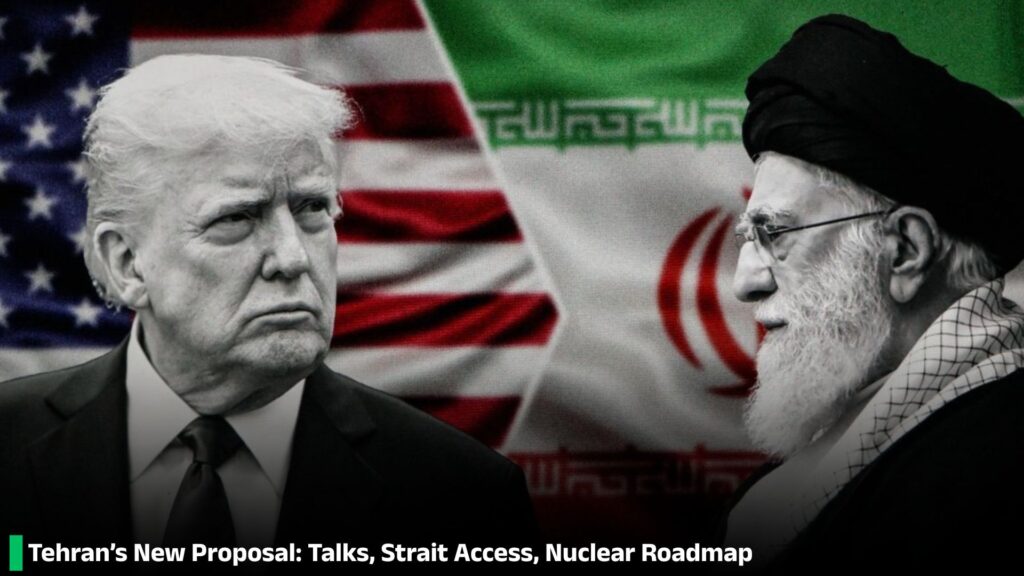
Local media has reported that Iran has proposed a three-stage formula for negotiations should the United States wish to return to the peace talks table—a development occurring just as both sides have withdrawn from a second round of such talks held in Pakistan. Tehran’s conditions revolve around the cessation of hostilities, the Strait of Hormuz, and the nuclear issue.
According to Al-Mayadeen, Iran has conveyed to the U.S.—via intermediaries—that if it desires a successful resumption of negotiations, it must proceed through three distinct stages:
Stage 1: A complete cessation of hostilities, accompanied by guarantees to prevent their resumption against Iran and Lebanon.
Stage 2: Provided that the demands of the first stage are agreed upon, the second stage would involve the parties discussing the management and administration of the Strait of Hormuz—a critical maritime choke point.
Stage 3: Only after successfully navigating the two aforementioned stages will Iran engage in discussions regarding the nuclear issue. This constitutes a pivotal point, as the U.S. has long demanded that Tehran halt its uranium enrichment activities and ship its existing stockpile out of the country.
Responding to this proposal, White House spokesperson Olivia Wells told Axios: “These are sensitive diplomatic discussions, and the U.S. will not negotiate through the press. As the President has stated, the United States holds the cards and will only enter into a deal that prioritizes the American people—one that ensures Iran is never permitted to develop a nuclear weapon.”
This proposed framework emerges at a juncture when the second round of Iran-U.S. talks held in Pakistan has ended in failure. Iran’s Deputy Foreign Minister, Abbas Araqchi, visited the country twice but declined to engage in direct negotiations with Washington. In response, President Trump declared that there would be “no more 18-hour flights” for his envoys, adding that negotiations could always be conducted via telephone. Araghchi was initially in Oman—located on the opposite side of the strategic Strait of Hormuz—and subsequently traveled briefly to Islamabad again on Sunday.
He has now departed for Russia, where he is scheduled to meet with President Vladimir Putin to discuss the latest developments regarding negotiations and the ceasefire in the Middle East.
According to a report by Axios, President Trump is scheduled to hold a Situation Room meeting on Monday with his top national security and foreign policy teams. The first round of talks between the two sides, held in Pakistan on April 11–12, concluded without a resolution; during these talks, US Vice President JD Vance stated that his side had presented its “final and best offer” for a deal, adding, “We shall see whether the Iranians accept it or not.”
Iran’s Parliamentary Speaker, Mohammad Bagher Ghalibaf—who heads his country’s negotiating team—stated that they had “put forward constructive initiatives,” but the US team failed to earn Iran’s trust.
A fragile ceasefire remains in effect in the Middle East; however, the conflict that began in February—despite having spanned two full months—has yet to reach a definitive conclusion.