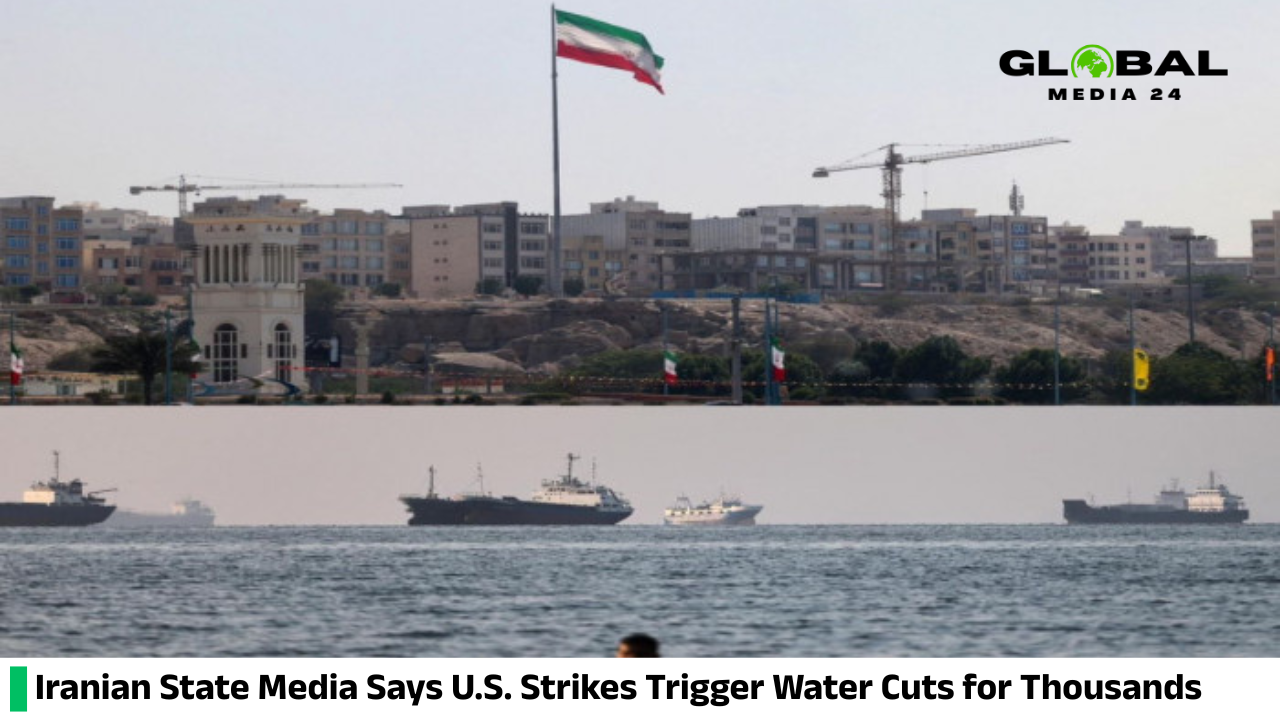
Since the war started on February 28, maritime traffic through the Strait of Hormuz — a route responsible for nearly 20% of the world’s crude oil and gas supply — has almost completely stopped.
Oil prices rose above $100 per barrel on Sunday for the first time in nearly four years, fueled by concerns that escalating war in the Middle East could lead to long-term supply disruptions.
As markets opened on Sunday evening, both crude oil benchmarks, West Texas Intermediate (WTI) and Brent, jumped more than 15%, reaching levels not seen since the early months of Russia’s 2022 invasion of Ukraine.
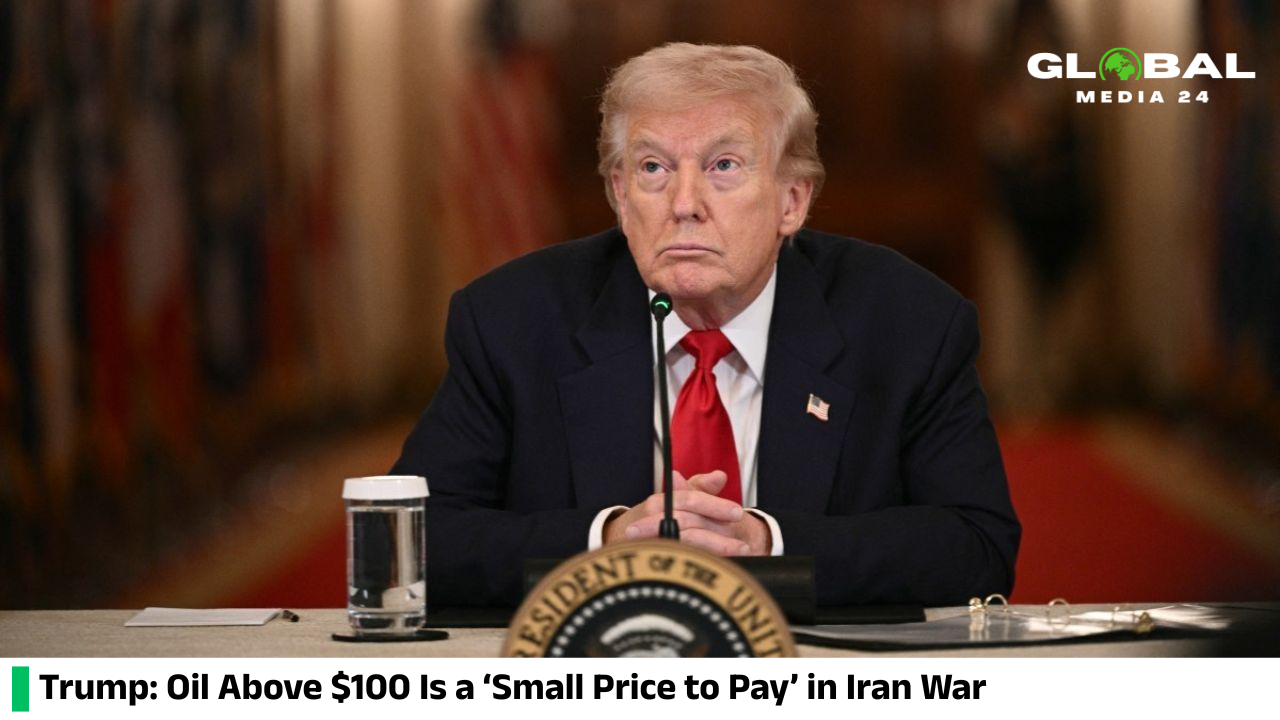
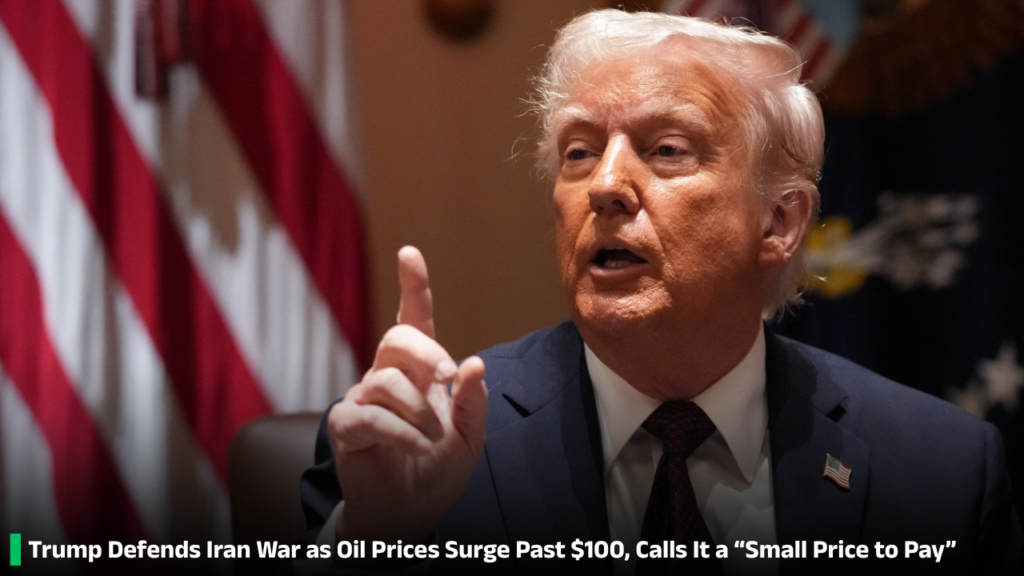
However, US President Donald Trump called the increase “a small price” for eliminating Iran’s nuclear threat, reiterating the White House’s assertion that the increase was temporary.
He wrote on social media on Sunday evening, “Short-term oil prices, which will fall sharply once Iran’s nuclear threat is eliminated, are a small price to pay for the security and peace of the USA and the world.”
Maritime traffic in the Strait of Hormuz—through which 20 percent of the world’s crude oil and gas passes—has virtually stopped since the fighting began on February 28th.
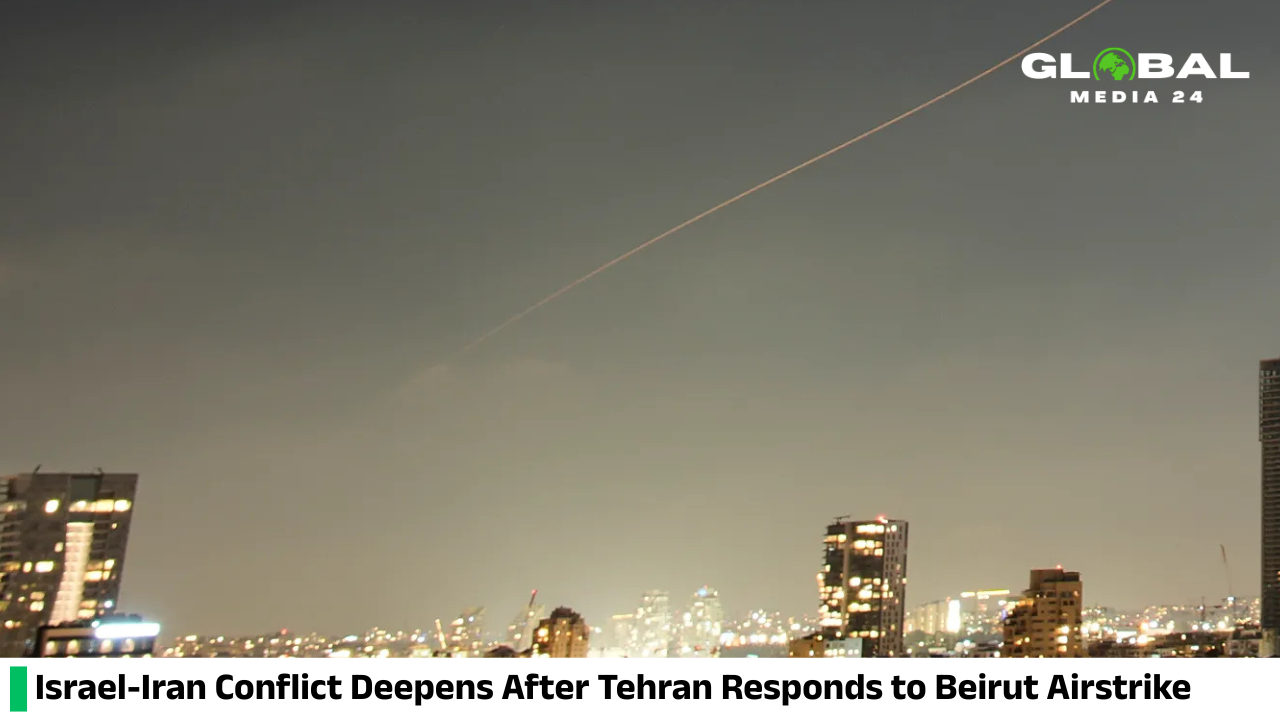
Meanwhile, oil and gas producers around the Gulf have begun reducing production, while Israeli attacks on fuel depots in Tehran have raised fears of retaliatory attacks on neighboring countries’ infrastructure.
Rising crude oil prices have increased fuel pump costs in the US, making it a highly sensitive political issue ahead of the midterm elections in November.
‘No Energy Shortage’
On Sunday, Trump’s energy chief, Chris Wright, said the disruptions would be temporary. “At worst, it’s a matter of weeks. It’s not months,” the US energy secretary told CNN.
“They shouldn’t go much higher from here because the world’s oil supply is very good,” he told CBS. “There’s no energy shortage in the entire Western Hemisphere.”
He said the US is now talking to shipping companies that want to move their ships out of the Gulf.
He said, “The initial tankers will likely need direct US military protection to pass through the Strait of Hormuz,” and added that he believes traffic will return to normal “very soon.”
According to the US Energy Information Administration, Iran accounts for about four percent of global oil production.
Oil industry data shows that despite international sanctions on its oil industry, some oil is still exported, mostly to China.
US Treasury Secretary Scott Bessant said on Friday that the government is considering lifting the ban on purchasing more oil from Russia. A day earlier, the government had temporarily allowed India to purchase oil from Moscow amid a surge in global oil prices.
The US International Development Finance Corporation also said on Friday that it is creating a reinsurance system worth up to $20 billion to cover risks associated with travel through the Strait of Hormuz.