The downing of the KC-135 marks the fourth U.S. military aircraft lost during the war with Iran; earlier, on March 2, three F-15E Strike Eagle fighter jets were accidentally shot down by a Kuwaiti F-18 in a friendly-fire incident.
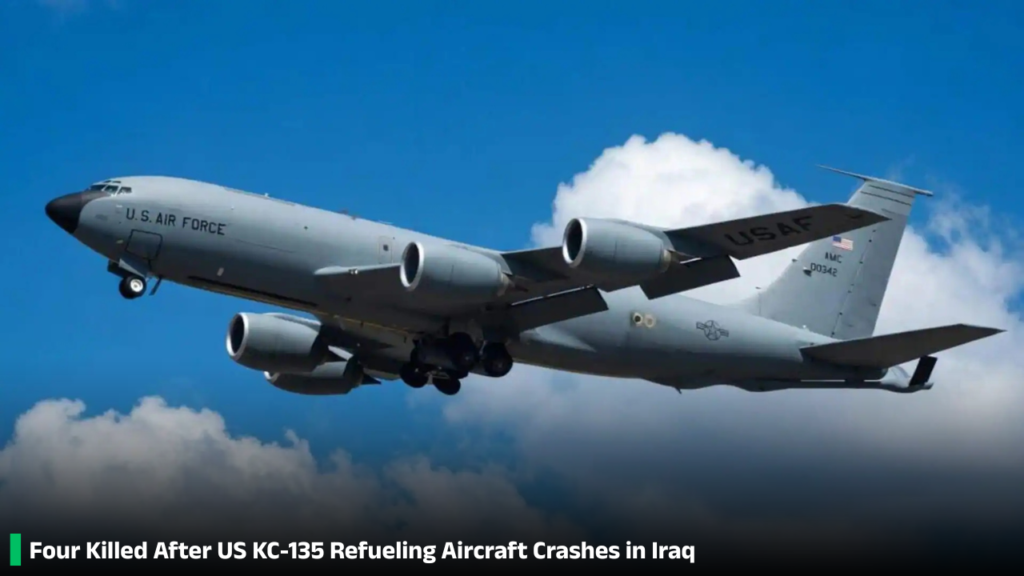
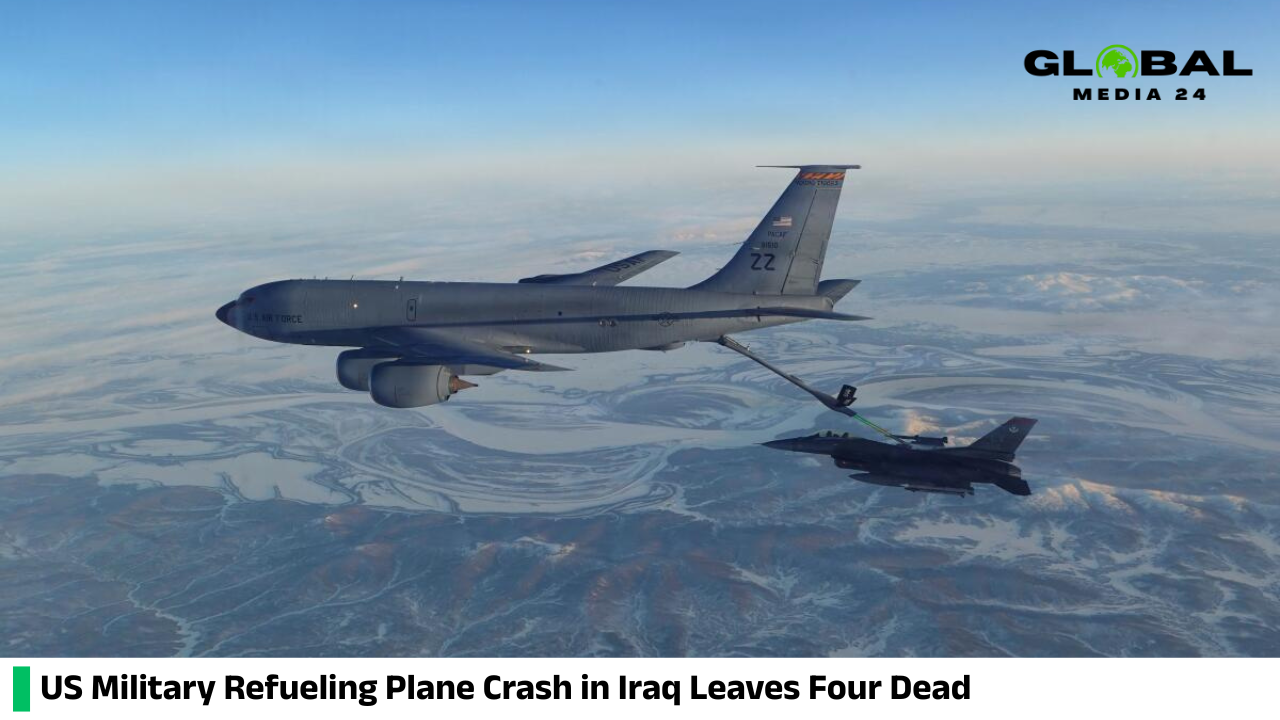
US Central Command stated in an X post on Friday afternoon that four of the six crew members aboard a United States Air Force KC-135 aircraft that crashed in western Iraq have died. CENTCOM added that efforts to rescue the remaining two are ongoing.
CENTCOM noted that an “investigation into the causes is underway,” though it ruled out hostile or friendly fire as the cause. CENTCOM stated that the identities of the deceased service members are being withheld for 24 hours following notification of their families.
The US military confirmed on Thursday that a KC-135—used for aerial refueling of other aircraft—had crashed, while a second (unspecified) aircraft involved in the incident landed safely.
Iran’s state media has claimed that a resistance group in neighboring Iraq—the Islamic Resistance in Iraq, a coalition of Iran-backed armed factions—shot down the plane using a missile.
Washington categorically denied this claim, stating that there were no reports of hostile fire.
The downed KC-135 marks the fourth US military aircraft lost during the conflict with Iran; on March 2, a Kuwaiti F-18 struck and destroyed three F-15E Strike Eagle fighter jets in an “accident.”
An unidentified U.S. official told The Wall Street Journal that an F-18 pilot accidentally fired three missiles toward three jets, which subsequently crashed over Kuwait.
The KC-135, manufactured by Boeing in the 1950s and early 1960s, is an essential component of the U.S. military’s aerial refueling fleet and plays a pivotal role in long-range operations.
The U.S. Air Force stated that the KC-135—which has been in service for over 60 years—typically carries a three-person crew: a pilot, a co-pilot, and a third crew member who operates the boom used to refuel other aircraft.
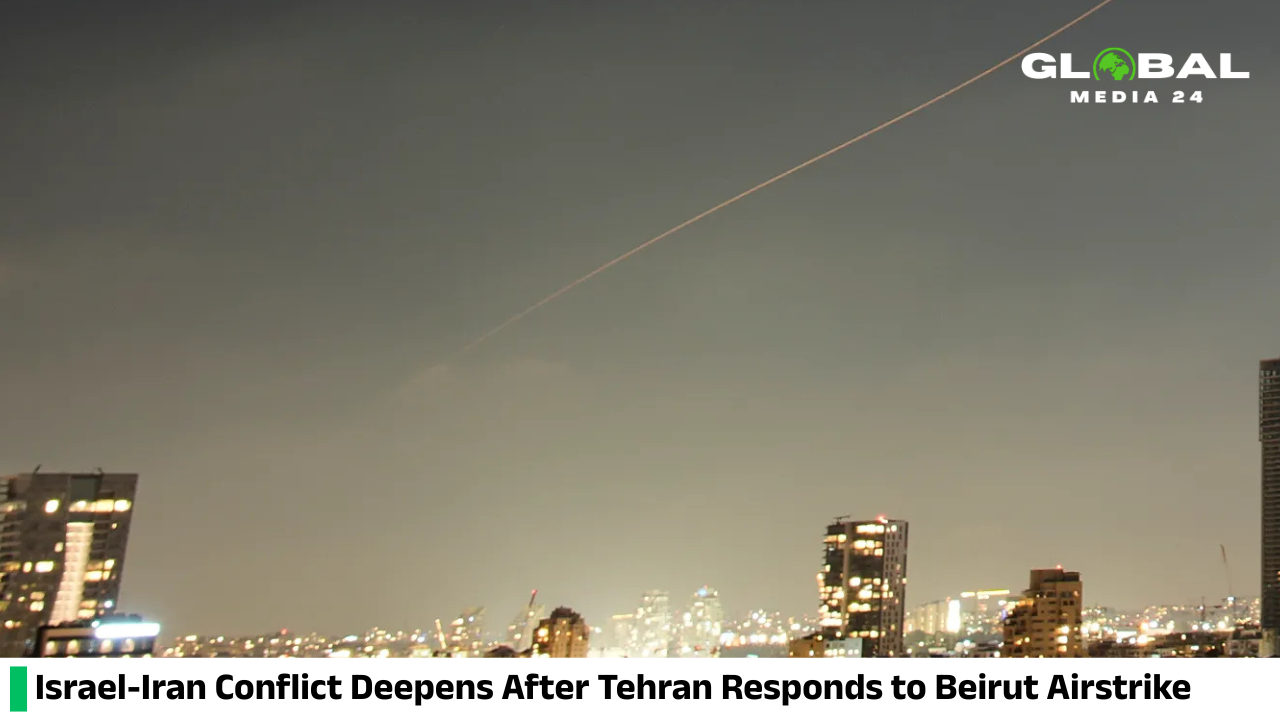
The U.S.-Israel war against Iran commenced on February 28 with a joint strike on Tehran.
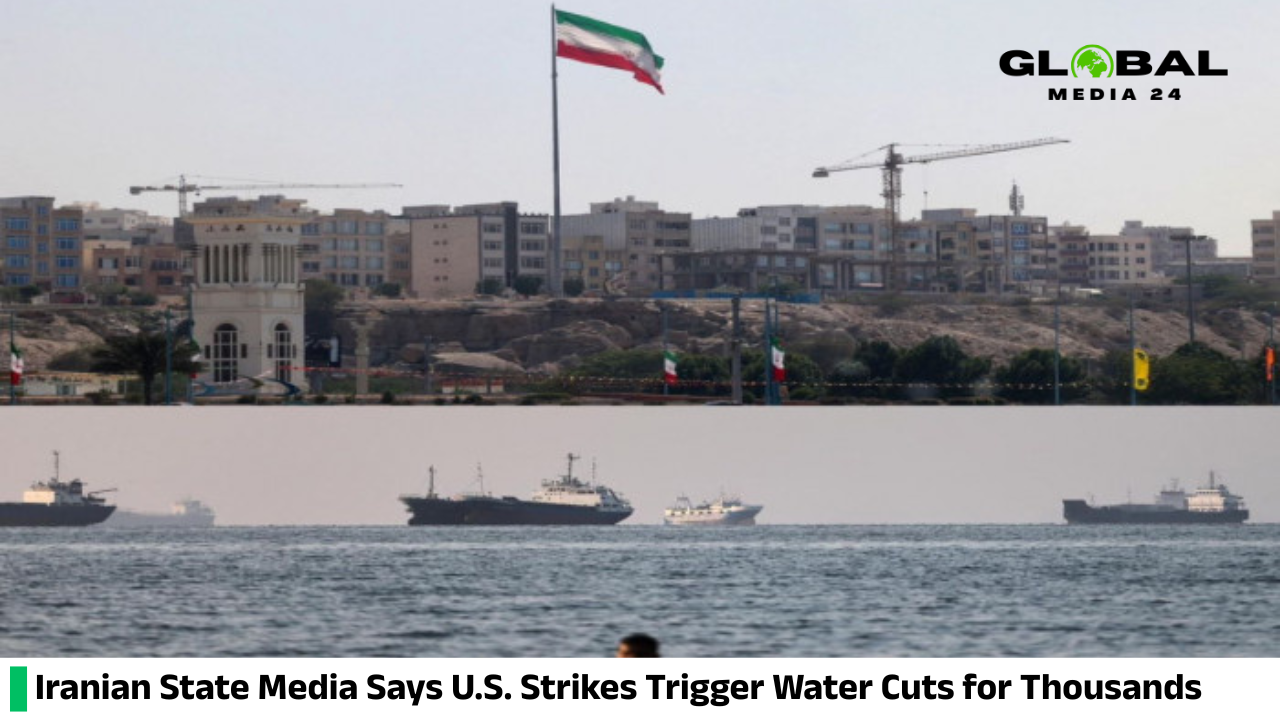
Since then, the conflict has spread to other Gulf nations, with the Iranian government targeting not only U.S. and Israeli military bases but also civilian and oil infrastructure in Saudi Arabia and the UAE. This has heightened fears of a global fuel shortage, as Tehran has blockaded the Strait of Hormuz—a narrow maritime passage through which 20 million barrels of oil pass daily.