Islamabad and Geneva are among the locations under consideration for the upcoming round of talks, according to the report.
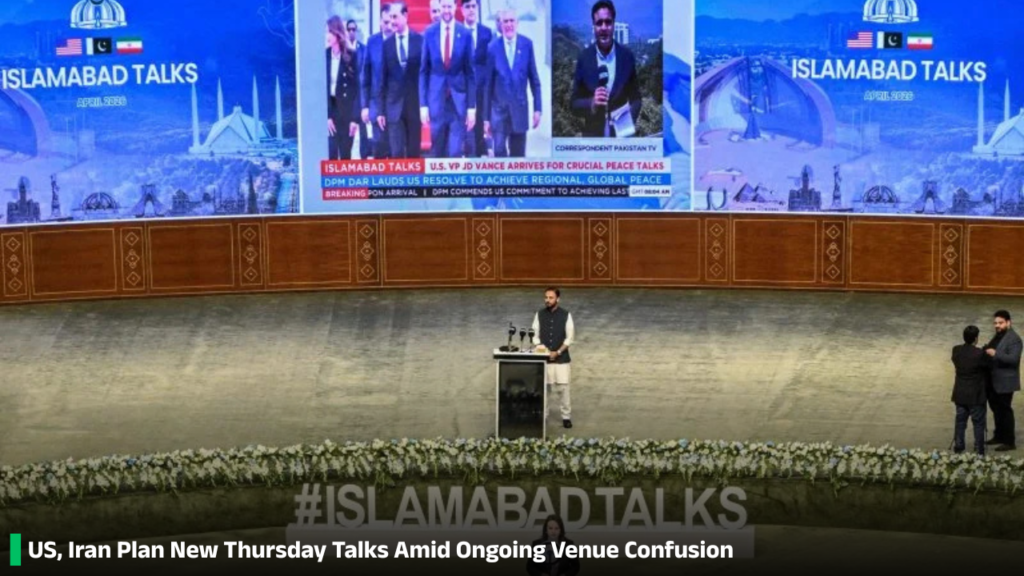
Following failed talks in Islamabad, a new round of negotiations between the US and Iran could take place later this week—before the two-week ceasefire between the two warring nations expires.
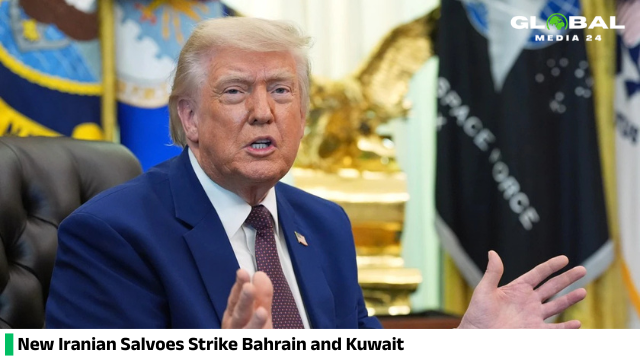
According to US media reports, President Donald Trump has signaled a willingness to resume face-to-face talks soon, provided he believes Tehran is prepared to accede to his demands.
Citing sources, the Associated Press reported that Washington and Tehran are considering direct negotiations aimed at reaching a deal to end their six-week-long conflict before the ceasefire expires on April 21.
Three sources told the US agency that discussions regarding a new round of talks are still ongoing, while a diplomat from one of the mediating nations added that Tehran and Washington have already agreed to the proposal.
Diplomats and US officials stated that it remains unclear whether delegations of the same seniority level are expected to attend. According to the report, Islamabad and Geneva are two potential venues currently being discussed for the new round of negotiations.
A US official noted that while the specific venue and timing have not yet been finalized, the talks could potentially take place on Thursday.
This development comes after Trump told reporters on Monday that “we have been reached out to by the other side” and that “they want to make a deal.”
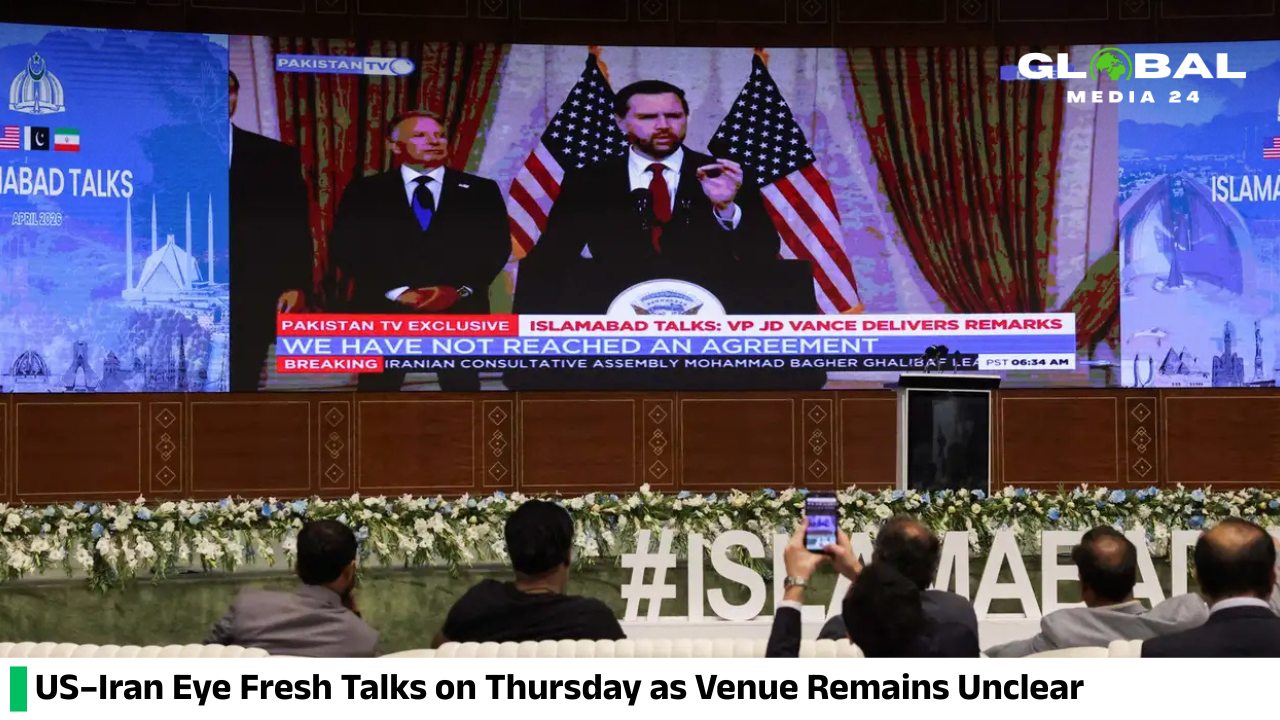
Islamabad Talks
The United States and Iran concluded 21 hours of face-to-face talks in Islamabad on Sunday without reaching a deal, leaving the future of a fragile two-week ceasefire still unclear.
The U.S. delegation, led by Vance, and the Iranian delegation, led by Parliament Speaker Mohammad Baqer Ghalibaf, discussed how to extend the ceasefire—which is already imperiled by deep-seated differences and Israel’s continued attacks on the Iran-backed Hezbollah in Lebanon.
Among the many issues at stake was the Strait of Hormuz—a major transit point for global energy supplies that Iran has effectively blockaded, but which the U.S. has pledged to reopen—as well as Iran’s nuclear program and international sanctions imposed on Tehran.
A source within the Pakistani government told Reuters, “Midway through the talks, there was high optimism that a breakthrough would be achieved and that both sides would reach an agreement. However, things changed within a short span of time.”