These losses are impacting everything from LPG supplies used by restaurants in India to helium-dependent chip manufacturers in South Korea.
Saad Al-Kaabi, CEO of QatarEnergy and minister of state for energy affairs, stated that Iranian attacks on neighboring Gulf nations have impacted approximately 17 percent of Qatar’s liquefied natural gas (LNG) export capacity, resulting in an annual revenue loss of roughly $20 billion.
According to Al-Kaabi, the need for repairs will halt the supply of 12.8 million tons of LNG annually for a period of three to five years, thereby jeopardizing supplies to European and Asian nations, including China and India.
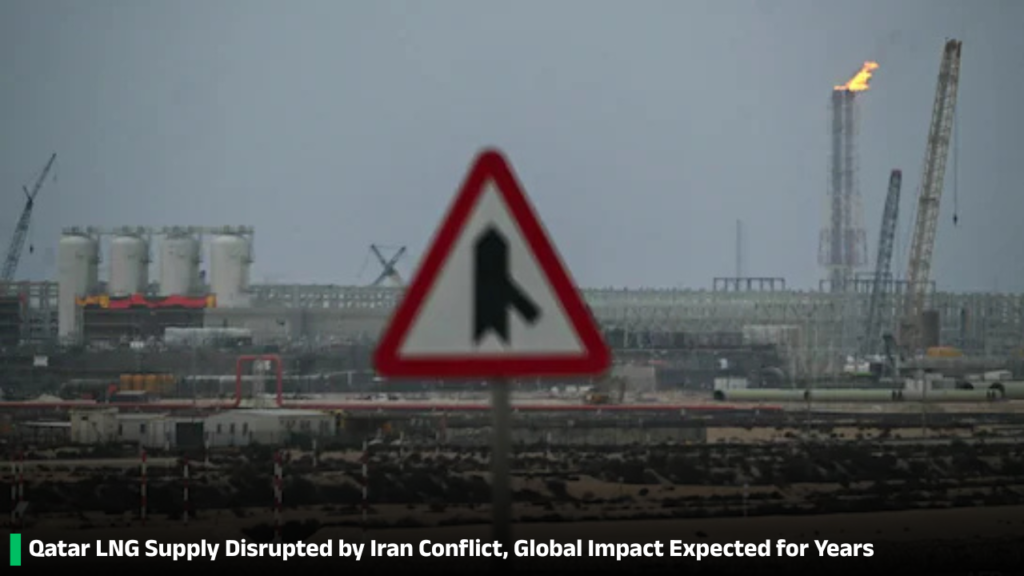
In the unprecedented attacks launched by Iran over the past few days, at least two of Qatar’s 14 LNG trains—as well as one of its two gas-to-liquids (GTL) facilities—have sustained damage.
Al-Kaabi told the news agency Reuters, “I never in my wildest dreams imagined that such an attack would be launched against Qatar—against Qatar and the entire region—especially during the holy month of Ramadan, coming from a brotherly Muslim nation, and that we would be attacked in this manner.”
The state-owned company, QatarEnergy, has announced that—due to the two damaged trains—it will be compelled to declare force majeure on long-term contracts spanning up to five years for LNG supplies destined for Italy, Belgium, South Korea, and China.
Al-Kaabi stated, “I mean, these are long-term contracts for which we will have to declare force majeure. We have already declared it once, but that was for a short duration. Now, whatever the duration may be, it is a certainty.”
Attack on the World’s Largest LNG Plant
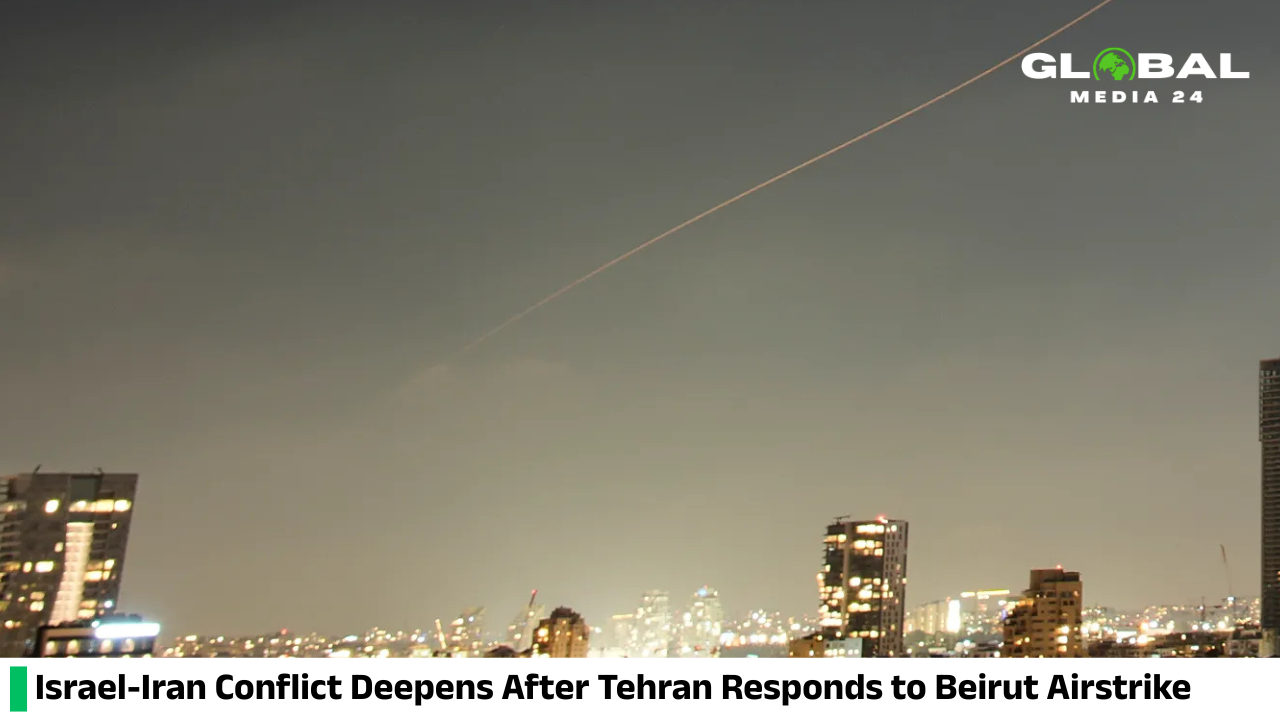
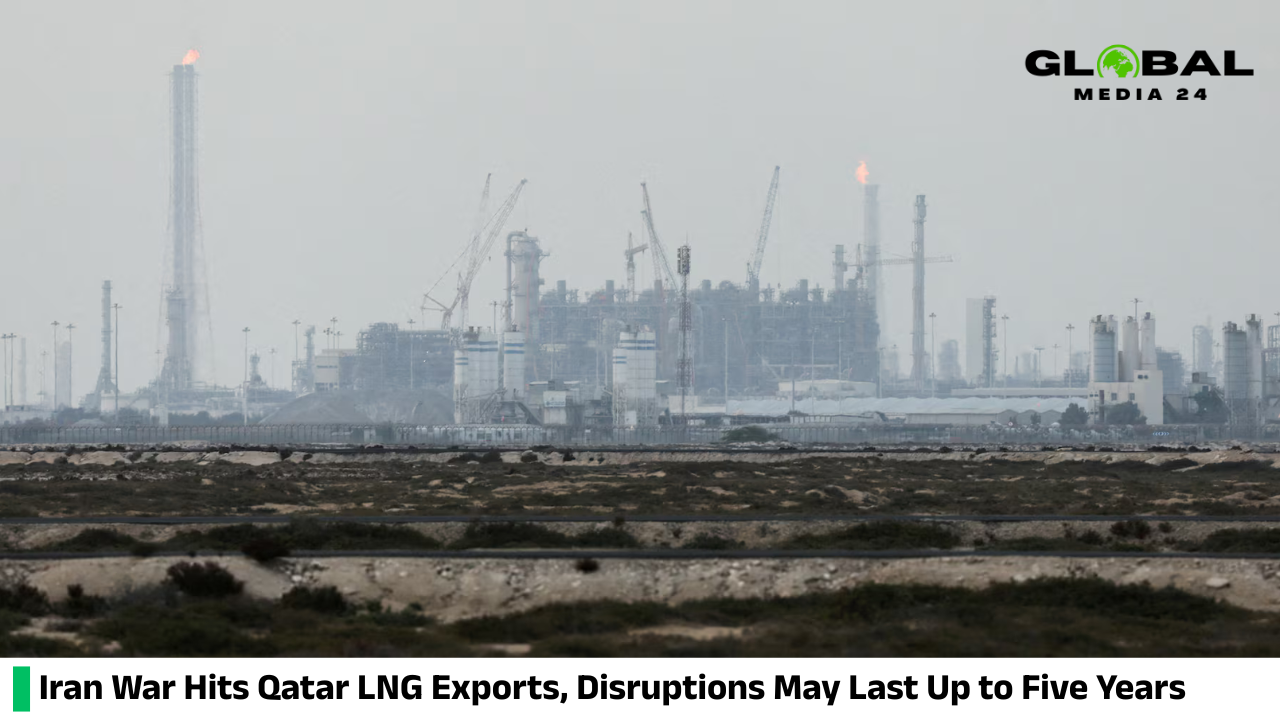
Iran has launched a series of attacks on oil and gas facilities in the Gulf following Israeli strikes on its own gas infrastructure. On Wednesday, the turmoil escalated further after an Iranian missile strike on Ras Laffan—Qatar’s largest LNG plant—compelling QatarEnergy to declare force majeure on its entire LNG production.
Al-Kaabi told Reuters, “To resume production, we must first bring an end to the hostilities.”
He added that the damage inflicted by the attacks has set the region back by 10 to 20 years. “And yes, this is [typically] a safe place for many people to live, and so forth. I feel that image has now been shaken.”
According to the Minister, the major U.S. oil company ExxonMobil is a partner in the damaged LNG facility, while Shell is a partner in the damaged GTL facility, which is expected to take up to a year to repair.
Texas-based ExxonMobil holds a 34 percent stake in LNG Train S4 and a 30 percent stake in Train S6. Train S4 impacts supplies to Italy’s Edison and Belgium’s EDFT, whereas Train S6 affects supplies to South Korea’s KOGAS, EDFT, and Shell in China.
The Impact Will Extend Beyond LNG
Initial estimates suggest that due to the damage incurred during the strike, Qatar’s condensate exports will decline by approximately 24 percent, while LPG exports will drop by 13 percent.
Helium production is expected to decrease by 14 percent, while the production of both naphtha and sulfur will fall by 6 percent.
The repercussions of these losses range from the LPG used in India’s restaurants to the chip manufacturers in South Korea who rely on helium. Al-Kaabi stated that the cost of repairing the damaged units amounts to approximately $26 billion.
Reports indicate that India imports roughly 20 percent of its natural gas requirements from Qatar.
He noted that work on Qatar’s massive North Field expansion project has currently come to a halt, potentially resulting in a delay of over a year.
He remarked, “If Israel has attacked Iran, that is a matter strictly between Iran and Israel. It has nothing to do with us or this region.”
“Furthermore—and I emphasize this now—everyone in the world—whether it be Israel, the U.S., or any other nation—must steer clear of oil and gas facilities.”