

A landmark Delhi High Court ruling has held Google liable for trademark infringement after allowing competitors to use a company’s brand name as an advertising keyword. The decision, which includes damages of $31,600, could significantly impact digital advertising practices, trademark protection, and Google Ads policies across India.
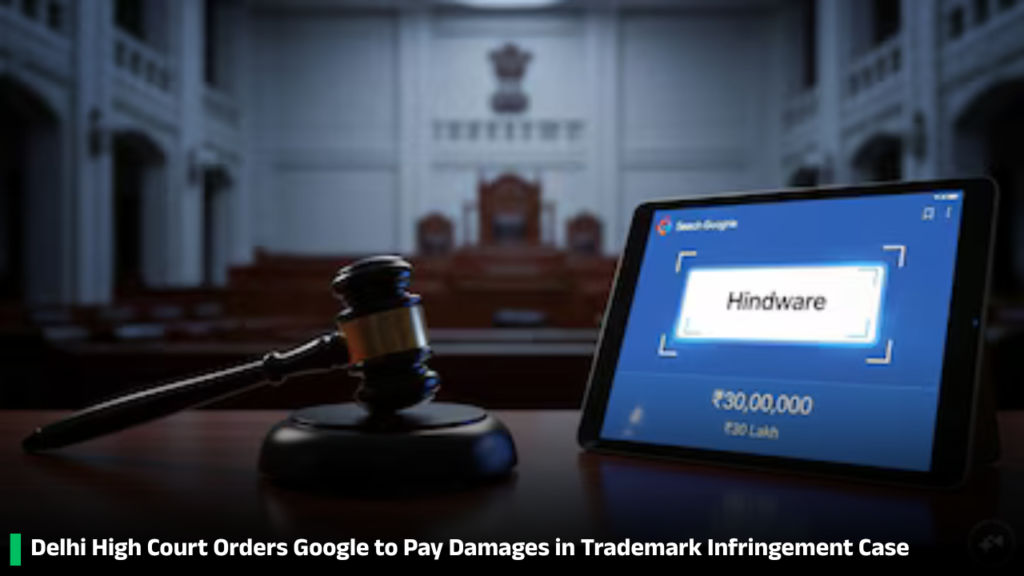
A recent ruling by the Delhi High Court has sparked discussions across India’s digital marketing and business sectors. The court found that Google violated trademark rights by allowing competing businesses to use another company’s brand name as an advertising keyword on its platform.
The judgment, issued on May 22, ordered Google to pay damages of approximately $31,600 to an Indian bathroom fittings manufacturer. While the financial penalty itself is relatively modest for a global technology giant, legal experts and businesses believe the ruling could have far-reaching implications for digital advertising practices throughout India.
The decision raises important questions about trademark protection, online competition, and the responsibilities of digital advertising platforms in one of the world’s fastest-growing internet markets.
Understanding the Case Against Google
The dispute centered on Google’s advertising system, where businesses can bid on specific keywords to display their advertisements when users perform searches online.
According to the court’s findings, rival companies were able to use a trademarked brand name as a keyword in Google Ads campaigns. This meant that when consumers searched for the original brand, advertisements from competing companies could appear alongside or above the actual trademark owner’s search results.
The bathroom fittings manufacturer argued that this practice infringed upon its trademark rights and created confusion among consumers. The company claimed that competitors were benefiting from its established brand recognition and reputation without authorization.
After reviewing the case, the Delhi High Court ruled in favor of the trademark holder and determined that Google’s advertising practices in this instance contributed to trademark infringement.
Why This Ruling Matters for Businesses
The judgment is being closely watched because it could influence how businesses approach digital marketing and trademark protection in the future.
For years, many companies have used competitor brand names as advertising keywords to attract potential customers. This strategy has been common in online marketing campaigns worldwide because it allows businesses to reach users who are actively searching for similar products or services.
However, the Indian court’s decision suggests that trademark owners may have stronger legal grounds to challenge such practices.
Businesses that rely heavily on search engine advertising could now face increased legal scrutiny when selecting keywords for their campaigns. Companies may need to review their advertising strategies to ensure they do not inadvertently violate trademark laws.
At the same time, brand owners may see the ruling as an opportunity to better protect their intellectual property and prevent competitors from leveraging their brand value in digital advertising.
Potential Impact on the Indian Digital Advertising Industry
India‘s digital advertising market has experienced rapid growth over the past decade, driven by increasing internet penetration, smartphone adoption, and e-commerce expansion.
Search advertising remains one of the most effective digital marketing channels for businesses of all sizes. Google’s advertising platform plays a dominant role in this ecosystem, connecting advertisers with millions of potential customers every day.
If the ruling leads to stricter enforcement of trademark protections, advertisers may need to rethink how they target consumers online.
Some potential consequences include:
Increased Compliance Requirements
Businesses may invest more resources in legal reviews before launching advertising campaigns. Marketing teams could be required to verify that selected keywords do not infringe upon existing trademarks.
Higher Advertising Costs
As certain competitor-related keywords become legally risky, advertisers may shift their budgets toward alternative search terms. This could increase competition for generic industry keywords and drive up advertising costs.
Stronger Trademark Protection
Brand owners may benefit from enhanced protection against competitors seeking to capitalize on established brand recognition.
Changes to Platform Policies
Digital advertising platforms, including Google, may consider updating their policies and procedures to address concerns raised by the court ruling.
Trademark Rights in the Digital Era
The case highlights the growing importance of trademark protection in an increasingly digital economy.
Traditionally, trademark disputes often involved product packaging, store signage, or direct brand imitation. Today, online advertising has created new challenges for regulators, courts, and businesses.
When consumers search for products online, search engines play a critical role in shaping purchasing decisions. The keywords used in advertising campaigns can significantly influence consumer behavior and market competition.
As a result, courts around the world have been asked to determine where the line should be drawn between legitimate advertising competition and trademark infringement.
The Delhi High Court’s decision contributes to this ongoing legal debate and may serve as an important reference point for future cases involving digital advertising practices in India.
What This Means for Google
For Google, the ruling represents another example of increasing regulatory and legal scrutiny surrounding digital platforms.
While the damages awarded in this case are relatively small compared to Google’s global revenues, the broader legal implications could be more significant.
The company may face pressure to strengthen its systems for monitoring keyword usage and addressing trademark complaints. It could also encounter additional legal challenges from businesses seeking similar protections.
Google’s advertising platform is built on providing advertisers with extensive targeting options. Any changes resulting from legal decisions could influence how the platform operates in India and potentially other markets.
Future Outlook
The Delhi High Court’s ruling is likely to remain a major topic of discussion among legal experts, advertisers, and business owners in the coming months.
As digital advertising continues to evolve, companies will need to balance competitive marketing strategies with compliance requirements and intellectual property protections.
The decision may encourage more trademark holders to pursue legal action when they believe their rights have been violated online. At the same time, advertising platforms may be required to take a more proactive role in preventing potential trademark misuse.
Whether this ruling ultimately reshapes India’s online advertising market remains to be seen. However, it has already highlighted the growing intersection between technology, marketing, and intellectual property law in the digital age.
Conclusion
The Delhi High Court’s decision ordering Google to pay damages in a trademark infringement case could mark a significant development for India’s digital advertising industry. The ruling underscores the importance of trademark protection in online marketing and may influence how businesses, advertisers, and technology platforms operate in the future.
As companies increasingly depend on digital channels to reach consumers, the outcome of this case serves as a reminder that intellectual property rights remain a critical consideration in the evolving world of online advertising.