As U.S.-Iran tensions escalate, Lindsey Graham pressures Pakistan over Donald Trump’s Abraham Accords vision, exposing a deeper geopolitical power struggle shaping global diplomacy.
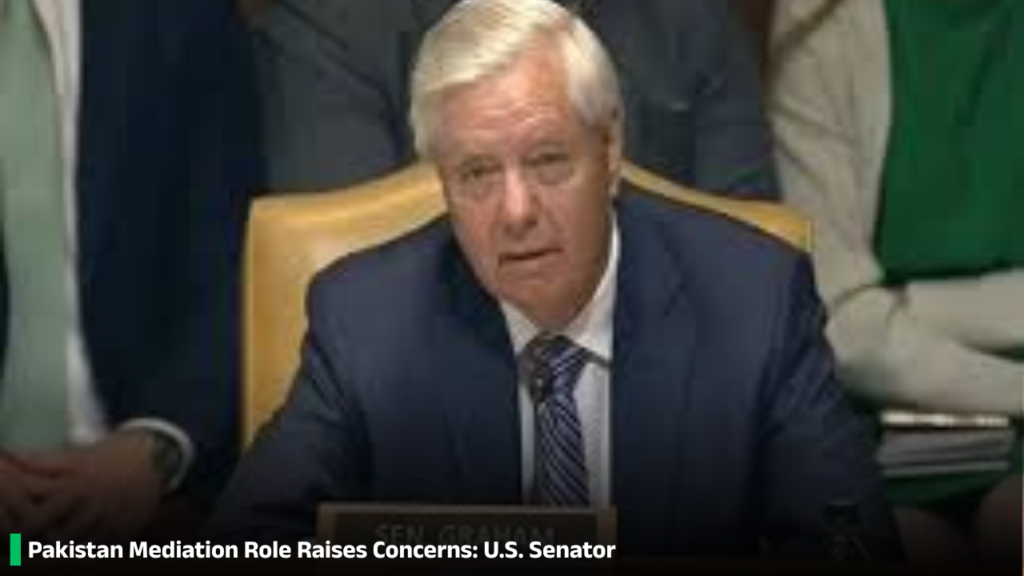
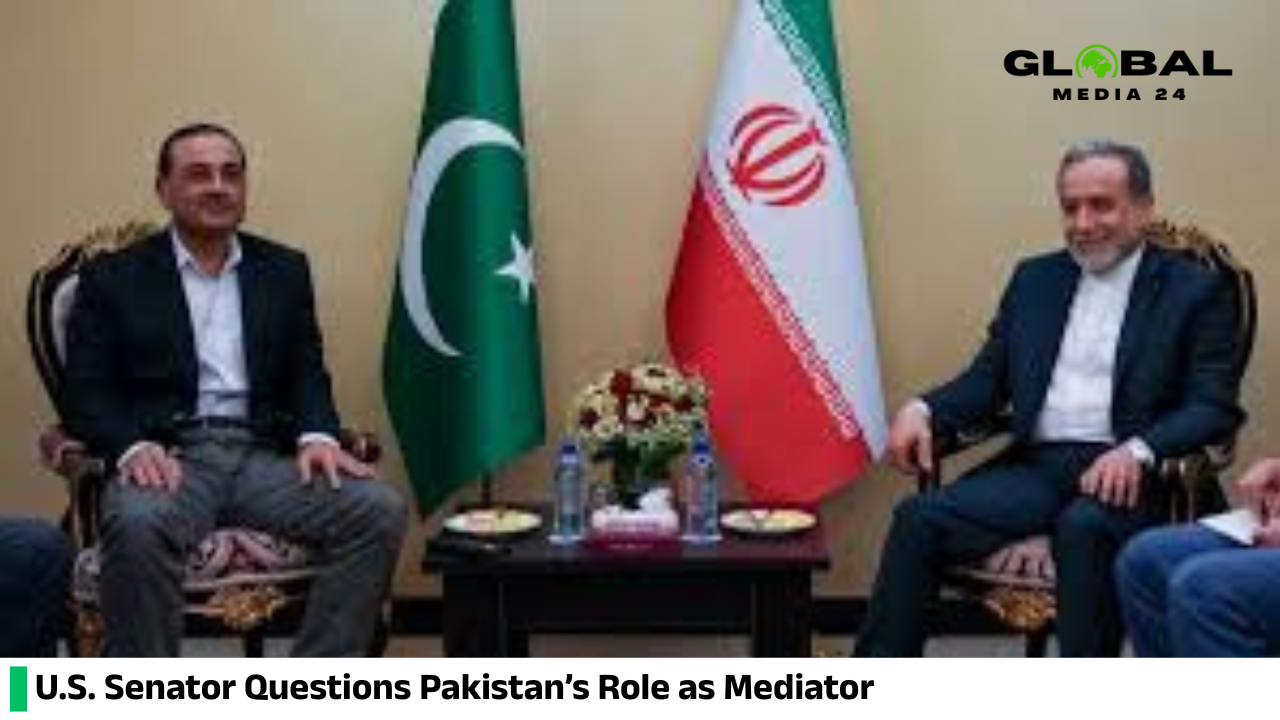
The political tension surrounding Pakistan’s stance on Israel and the Abraham Accords has once again entered the global spotlight after Republican Senator Lindsey Graham questioned Pakistan’s role as a mediator in the ongoing United States-Iran conflict. His remarks came after Pakistan’s Defence Minister Khwaja Asif reiterated Islamabad’s long-standing position of refusing to recognize Israel until an independent Palestinian state is established.
The issue has rapidly gained international attention because it combines three highly sensitive geopolitical subjects — the Middle East conflict, Pakistan’s foreign policy, and the future of the Abraham Accords. With global powers closely monitoring the situation, the controversy has created fresh diplomatic discussions about Pakistan’s alignment in the region.
What Did Lindsey Graham Say?
Senator Lindsey Graham openly described Pakistan’s involvement as a mediator in the U.S.-Iran tensions as “problematic.” In a post shared on X (formerly Twitter), Graham stated that Pakistan’s historical hostility toward Israel raises concerns regarding its neutrality in Middle Eastern diplomacy.
According to Graham, Pakistan must clarify its position regarding former U.S. President Donald Trump’s earlier call for Muslim-majority countries to join the Abraham Accords. He argued that Pakistan’s continued refusal to normalize ties with Israel could affect its credibility in regional peace discussions.
The Republican senator also referred to an older video clip of Khwaja Asif where the Pakistani minister reportedly said that Pakistan would “never trust Israel.” Although the video may not be recent, Graham suggested that the mindset behind those comments still reflects Pakistan’s current diplomatic thinking.
Pakistan’s Position On Israel
Pakistan has historically refused to establish diplomatic relations with Israel. Since its creation in 1947, Pakistan has maintained that recognition of Israel can only happen after the establishment of an independent Palestinian state based on pre-1967 borders, with East Jerusalem as its capital.
This policy has remained consistent across multiple Pakistani governments, regardless of political party or military leadership. Pakistan has repeatedly emphasized support for Palestinian rights in international forums, including the United Nations and the Organization of Islamic Cooperation (OIC).
Defence Minister Khwaja Asif recently reaffirmed this stance while discussing the Abraham Accords. He stated that Pakistan would not join any agreement involving Israel unless the Palestinian issue is resolved fairly.
His comments resonated strongly within Pakistan, where public opinion has traditionally favored Palestine. Political analysts believe that any sudden move toward normalization with Israel could trigger domestic political backlash.
Understanding The Abraham Accords
The Abraham Accords were introduced in 2020 under the Trump administration. The agreements aimed to normalize diplomatic, economic, and security relations between Israel and several Arab nations.
Countries such as the United Arab Emirates, Bahrain, Morocco, and Sudan agreed to establish formal ties with Israel under the accords. Supporters argued that the agreements would improve regional stability, economic cooperation, and security coordination against common threats.
However, critics claimed the accords sidelined the Palestinian issue and weakened the broader Arab consensus supporting Palestinian statehood.
Pakistan has remained outside the Abraham Accords despite speculation over the years that international pressure could eventually push Islamabad toward normalization.
Why Pakistan’s Role Is Being Questioned
Lindsey Graham’s remarks highlight a larger concern among some American lawmakers regarding Pakistan’s geopolitical alignment. The senator alleged that Iranian military aircraft were being hosted at Pakistani air bases, though such claims remain politically sensitive and heavily debated.
The concern stems from the growing instability in the Middle East and fears that regional alliances may shift rapidly during periods of conflict involving Iran, Israel, and the United States.
Critics in Washington argue that if Pakistan openly opposes Israel and refuses diplomatic engagement, it may struggle to act as an impartial mediator between competing regional powers.
On the other hand, Pakistani officials insist that maintaining support for Palestine does not prevent Islamabad from contributing to diplomatic efforts aimed at reducing regional tensions.
Could Pakistan Ever Recognize Israel?
This remains one of the most debated questions in South Asian and Middle Eastern diplomacy.
Several experts believe Pakistan could eventually reconsider its position if there is significant progress toward a two-state solution between Israel and Palestine. Others argue that ideological, religious, and political factors make normalization extremely difficult in the near future.
Public sentiment inside Pakistan also plays a crucial role. Large sections of the population strongly oppose recognizing Israel without a clear resolution to the Palestinian conflict. Political parties and religious organizations have historically used the issue to mobilize public opinion.
At the same time, some strategic analysts suggest that Pakistan may face increasing diplomatic pressure from Western allies and Gulf countries that already maintain relations with Israel.
Still, Islamabad appears committed to its traditional policy for now.
Impact On U.S.-Pakistan Relations
The latest controversy could add another layer of complexity to already delicate relations between the United States and Pakistan.
Washington and Islamabad have experienced fluctuating ties over the past two decades due to issues related to Afghanistan, counterterrorism, military cooperation, and China’s growing influence in South Asia.
Statements from influential U.S. lawmakers like Lindsey Graham may increase diplomatic pressure on Pakistan to clarify its foreign policy priorities, particularly regarding the Middle East.
However, Pakistan is also likely to balance its international relationships carefully, avoiding any abrupt shift that could create domestic unrest or regional complications.
Global Reactions And Strategic Implications
The debate surrounding Pakistan and the Abraham Accords reflects a much larger transformation happening in global geopolitics. Middle Eastern alliances are evolving rapidly, and countries are increasingly making strategic decisions based on security, trade, and regional influence rather than historical ideological divisions alone.
Israel’s growing engagement with Arab nations has already changed the diplomatic landscape of the region. Whether Pakistan eventually follows a similar path remains uncertain, but the discussion itself signals how geopolitical priorities continue to shift.
For now, Pakistan’s leadership appears determined to maintain its traditional stance on Palestine while also engaging with international powers on broader regional security matters.
Conclusion
Lindsey Graham’s criticism of Pakistan’s role in Middle Eastern diplomacy has reignited international attention on Islamabad’s position regarding Israel and the Abraham Accords. While Pakistan continues to firmly support Palestinian statehood before recognizing Israel, pressure from global powers and changing regional alliances may keep the debate alive for years to come.
The controversy also demonstrates how interconnected modern geopolitics has become, where historical positions, regional conflicts, and international alliances constantly shape diplomatic narratives.
As tensions in the Middle East continue to evolve, Pakistan’s future role in regional diplomacy will remain closely watched by both allies and critics around the world.