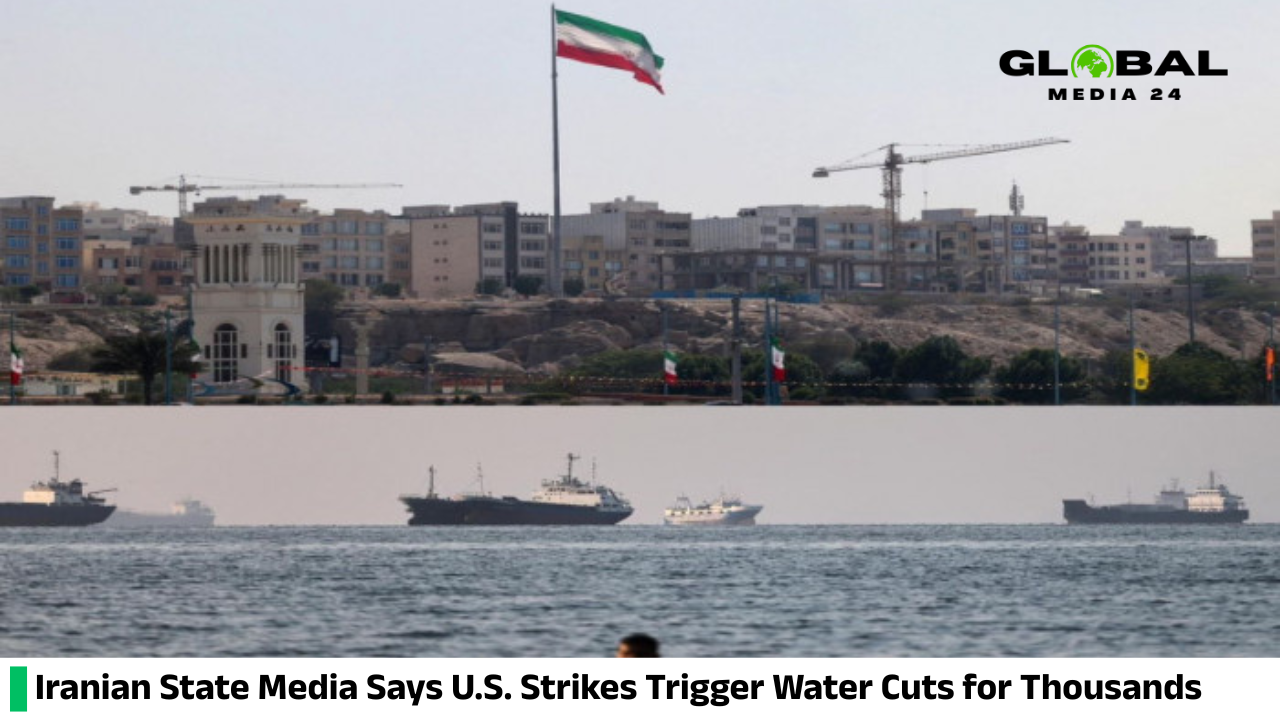
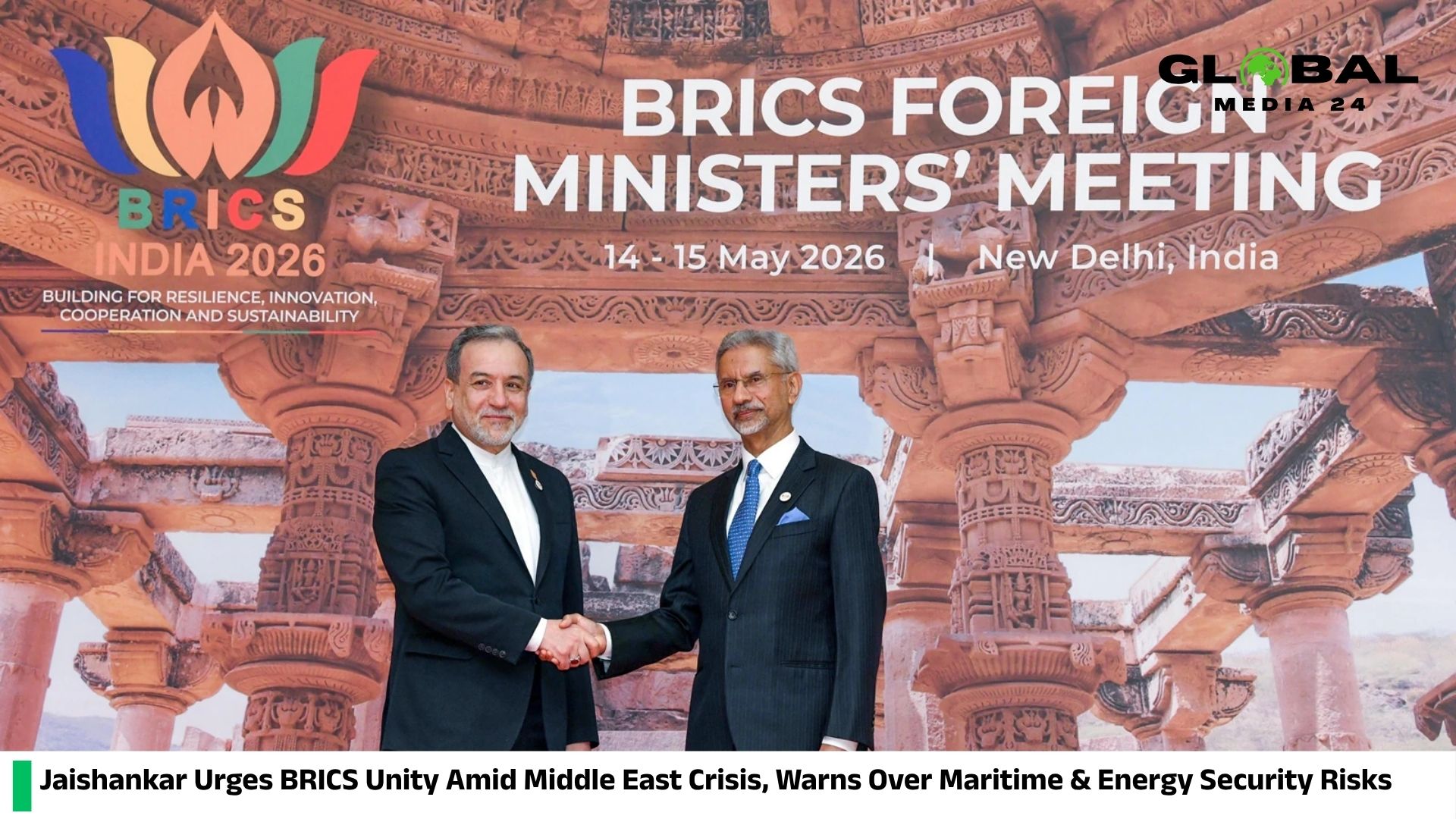
Jaishankar stressed that maintaining safe, secure, and uninterrupted maritime flows through critical international waterways, including the Strait of Hormuz and the Red Sea, is vital for sustaining global trade and overall economic stability worldwide.
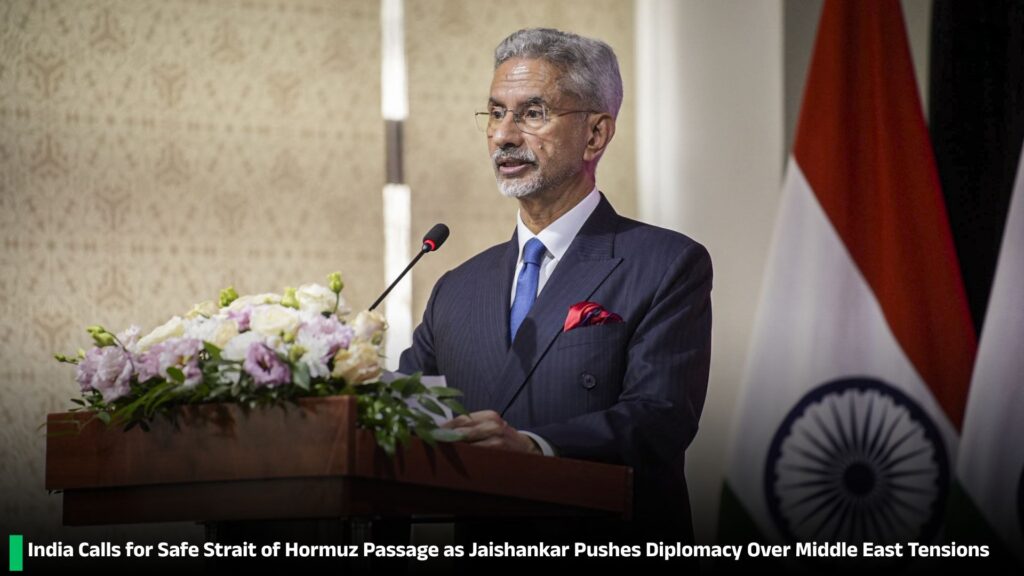
New Delhi : India has expressed deep concern regarding the crisis in the Middle East and its impact on energy supplies and maritime stability in the Strait of Hormuz and the Red Sea. Furthermore, it has appealed to BRICS nations—including Iran and the United Arab Emirates (UAE)—to devise “practical approaches” to navigate “unprecedented” geopolitical and economic uncertainties, as well as “unilateral coercive” sanctions.
Addressing the Foreign Ministers of the BRICS nations—specifically his Iranian counterpart, Seyyed Abbas Araghchi, and the UAE’s Minister of State for Foreign Affairs, Khalifa Shaheen Al Marar—External Affairs Minister S. Jaishankar stated, “Stability cannot be selective, and peace cannot be piecemeal.”
Jaishankar emphasized that “safe and unimpeded maritime movement through international waterways—including the Strait of Hormuz and the Red Sea—is essential for global economic well-being.” Without explicitly naming any specific country, the Minister asserted that respect for sovereignty and territorial integrity must serve as the bedrock of international relations, adding that “dialogue and diplomacy” constitute the only sustainable path toward resolving disputes.
He affirmed that India stands ready to make a constructive contribution toward de-escalation efforts and to support initiatives aimed at restoring stability. Additionally, he noted that peace is “essential for upholding international law, protecting civilians, and refraining from targeting civilian infrastructure.”
The External Affairs Minister also underscored the importance of “fully” appreciating and adhering to the BRICS consensus-based mechanism regarding various critical issues involving new members. This observation comes against the backdrop of deep-seated differences between the UAE and Iran concerning the Middle East conflict.
Differences Between Iran and the UAE
In recent weeks, a diplomatic friction has emerged between Tehran and Abu Dhabi over Iran’s alleged attacks on energy infrastructure within the UAE; consequently, the BRICS bloc has been unable to issue a consensus-based statement regarding the crisis in West Asia.
It also emerged that during one of the two sessions of the conclave, a heated exchange took place between Araghchi and the UAE’s Khalifa Shaheen Al Marar, prompting Russian Foreign Minister Sergey Lavrov to intervene to defuse the tension. BRICS, which initially comprised Brazil, Russia, India, China, and South Africa, expanded in 2024 to include Egypt, Ethiopia, Iran, and the UAE, with Indonesia joining in 2025.
Given the deep mistrust between the two Gulf neighbors, Jaishankar sought to strike a diplomatic balance between the two sides, drawing attention to disruptions in energy supplies as well as “unilateral coercive measures and sanctions.”
He also strongly advocated for ensuring safe and unimpeded maritime movement through the Strait of Hormuz and the Red Sea, and expressed concern over the “grave humanitarian impact” of the fighting in Gaza.
BRICS has emerged as an influential bloc, bringing together 11 of the world’s major emerging economies, which collectively represent approximately 49.5 percent of the global population, about 40 percent of the world’s GDP, and roughly 26 percent of global trade.
What Iran Said
In his address at the conclave, Araghchi stated that Iran is a victim of “illegal expansionism and warmongering,” and called upon the BRICS nations to “explicitly condemn” the violations of international law committed by the US and Israel.
He remarked, “The truth is that Iran, like many other independent nations, is a victim of illegal expansion and militaristic rivalry. These are pernicious phenomena that have no place in today’s world.”
The Iranian Foreign Minister urged BRICS to “resist Western hegemony and the punitive mindset that the US believes it is entitled to exercise.” He stated, “Therefore, Iran appeals to the BRICS member nations and all responsible members of the international community to explicitly condemn the violations of international law by the United States and Israel—including their unlawful attack against Iran.”
PM Modi’s Visit to the UAE
India maintains vital and distinct partnerships with both the UAE and Iran, carefully balancing its interests in the Middle East amidst rising regional tensions.
Prime Minister Narendra Modi is set to embark on a tour of four European nations this Friday, with the UAE serving as his first stop. There, he will meet with the President of the UAE, Sheikh Mohamed bin Zayed Al Nahyan. Throughout the Middle East crisis, the UAE has remained—and continues to be—one of India’s most trusted energy partners. The existence of long-term supply agreements has significantly bolstered India’s energy security.
Further enhancing energy cooperation will be a key agenda item during PM Modi’s visit. Since 2014, PM Modi has visited the UAE seven times, while Sheikh Mohamed has visited India on five occasions. Their most recent meeting took place in January 2026—a visit that also included the UAE’s next-generation leaders—underscoring the enduring strength of the relationship between the two nations, a bond that has only deepened across generations.