
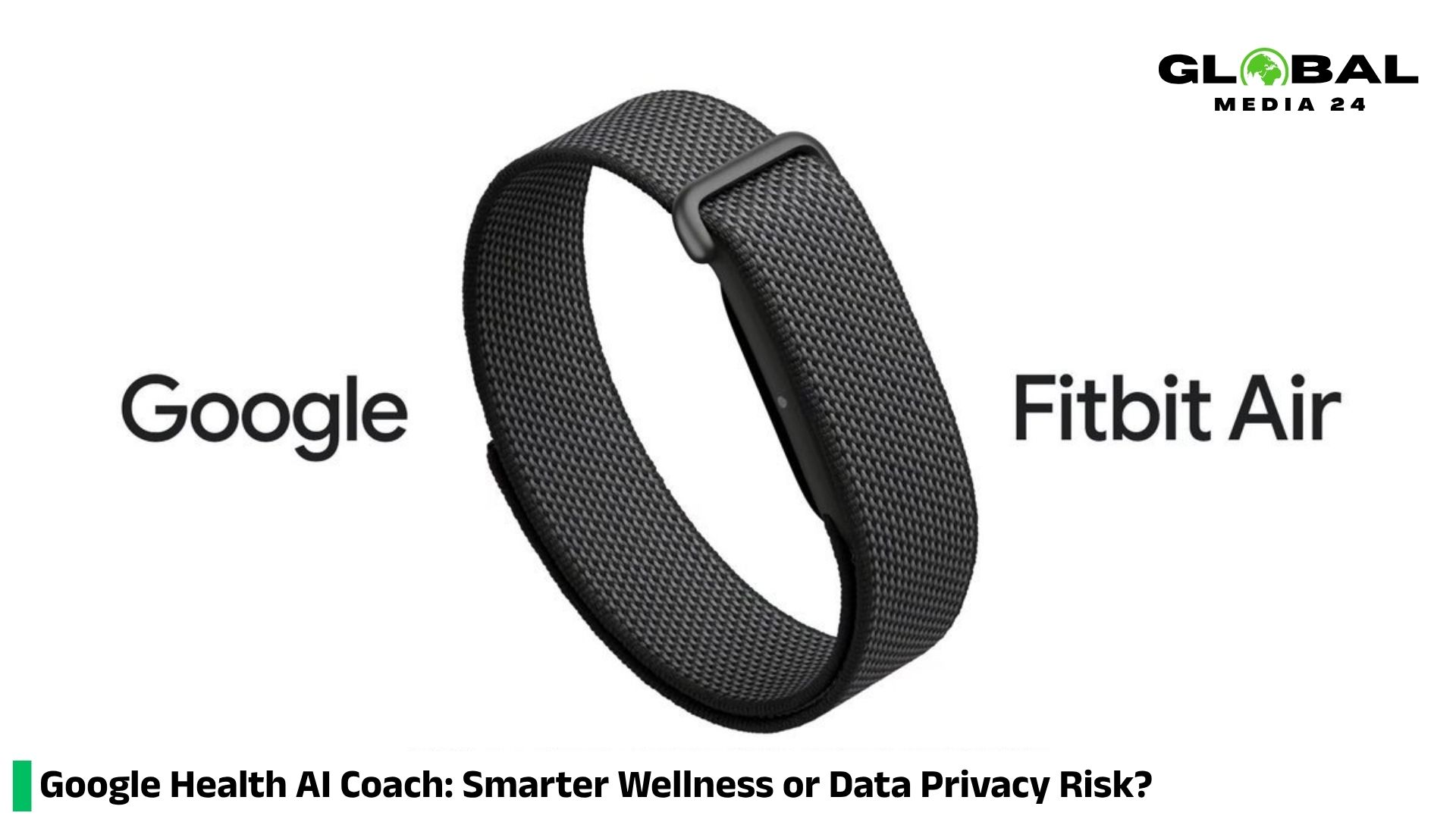
Google Health may soon bring AI-powered personalised coaching to Fitbit users: What this could mean for India’s digital healthcare push — and the growing concerns over data privacy, surveillance, and algorithm-driven wellness advice
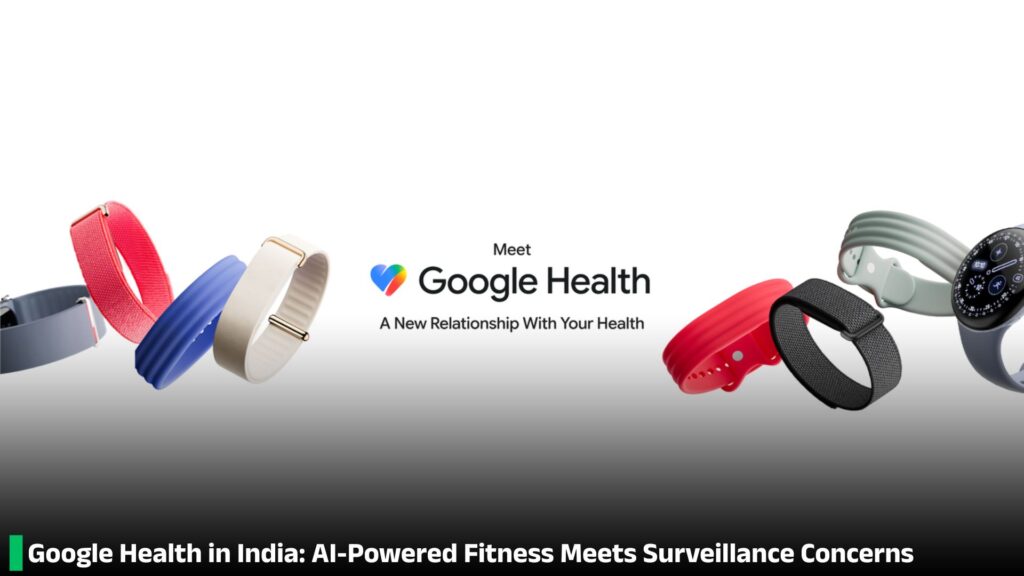
Google is officially set to rebrand the Fitbit app as Google Health, with the aim of consolidating various health modalities into a single ecosystem. The unification of fitness, sleep, wellness, and health tracking systems is expected to commence in India by mid-May 2026. While this initiative aims to provide an integrated and detailed holistic health solution, the pertinent question remains: can this upgrade truly benefit your actual physical and mental well-being?
According to Statista, there are over 128 million Fitbit users worldwide, 38 million of whom are active users. Consequently, if this upgrade achieves its intended objectives, it has the potential to benefit a significant segment of the population.
However, it is crucial to draw a clear distinction: will the Google Health upgrade be utilized primarily by athletes, or by everyday fitness enthusiasts seeking to improve their general health? Research regarding sports training does exist—as noted in the Journal of Sports Quality—suggesting that AI-integrated devices can enhance sports training, thereby improving athletic performance and aiding in injury prevention. Yet, there is currently no research indicating whether such technology proves effective for activities like your morning jog or daily exercise routine, particularly if you engage in them for general fitness rather than for competitive sports.
What is Google Health Coach, and How Does AI Coaching Work?
Google Health Coach is set to replace the Fitbit app and will offer Gemini-powered AI coaching. Through this initiative, the user base can expect to receive the following benefits:
Personalized workouts that take into account your body’s physical capacity for exercise.
Sleep optimization tips designed to help you achieve deeper, more restorative sleep.
Lifestyle-based guidance aimed at comprehensively improving your overall health.
However, the real-world utility and impact of Fitbit vary significantly depending on the user’s age and their daily level of physical activity. According to a study published in the journal JAMA—in which teenagers and their parents were monitored while wearing fitness-tracking wearable technology—some surprising results emerged. On school and workdays, the step counts for both adults and teenagers were found to be significantly higher, while their sleep duration was notably shorter.
However, extensive research has already been conducted—documented in various reviews and journals, such as those by the National Sleep Foundation—indicating that screen time is linked to a decline in sleep quality. And when it comes to daily technology usage, do you truly want to spend your time staring at a screen right before bed, allowing it to disrupt your natural sleep cycle on a nightly basis? The answer to this question varies for each individual; however, when considering the long-term impact on health, one must acknowledge the problematic reliance on screens for performing everyday human activities.
Does AI Health Coaching Actually Work? What the Science Says
AI health coaching may prove effective for specific individuals whose lifestyles and daily physical activity requirements differ from the norm.
According to a systematic review published in Frontiers in Digital Health, AI health coaching enhances user engagement and improves lifestyle outcomes—though primarily for those individuals capable of processing and interpreting the data displayed on their screens, such as trained athletes. When compared to human-led coaching—particularly regarding motivation and adherence—the results may differ.
Research published in the Journal of Cloud Computing suggests that when wearable devices and AI-driven analysis are utilized in tandem, they can—under certain conditions—provide superior real-time feedback. If the brain is able to properly interpret and internalize these inputs, improvements in both physical activity levels and overall lifestyle can be achieved.
Conversely, teenagers and children should refrain from using wearable devices and AI health coaching systems, as their developing brains are not yet equipped to effectively process and interpret the information displayed on screens. What Indian Users Can Expect: Pricing, Access, and Limitations
Google Health Premium will be priced at ₹99 per month or ₹999 per year for users in India; initially, it will be available exclusively on Fitbit and Pixel devices.
However, the collection and utilization of personal data raise significant concerns regarding privacy and trust.
Medical professionals and doctors can provide real-time, human-driven interventions to help improve lifestyle and sleep patterns, whereas AI solutions may utilize your data for other purposes.
AI Coaches Are Not Doctors
Peer-reviewed studies—published in journals such as Frontiers in Digital Health and the Journal of Cloud Computing—emphasize that AI coaching is not a substitute for the diagnosis or treatment of medical conditions. While these tools can assist in managing chronic diseases more effectively, proper usage is critical in determining the actual outcomes.
Specific demographics—particularly the elderly and individuals seeking to improve their long-term health—may benefit from using this service; however, it is essential to approach it with a clear understanding of its scope.
It is best utilized as a preventive measure; it does not serve as an alternative to professional diagnosis or medical treatment when a specific medical condition or health issue arises.
What This Means for Digital Health in India
This initiative could drive a shift toward preventive care, AI-assisted self-care methods, and scalable digital health models. However, it is crucial to understand how these approaches can be practically implemented in the real lives of users.
This step could also impact future public-private digital health programs. While the outcomes hold the potential for significant benefits at the public health level, further research is warranted given the diversity of approaches involved.
This initiative holds the promise of improving public health on a large scale; however, significant concerns persist regarding the use of personal data and individual suitability.