Saudi Arabia’s Growing Frustration With Trump’s “Erratic War Handling” Mounts As UAE And Gulf Nations Suffer The Heaviest Impact Of Iran’s Retaliatory Strikes
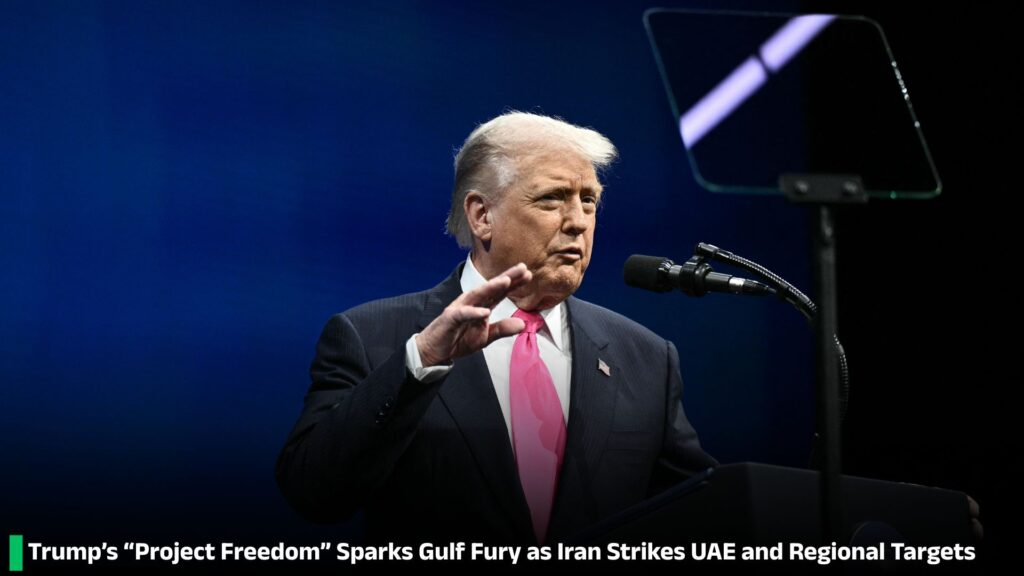
Riyadh : When US President Donald Trump abruptly halted his “Project Freedom”—an initiative to escort commercial vessels through the Strait of Hormuz—he stated that the move was intended to facilitate negotiations with Iran, undertaken at the request of Pakistan and other nations.
However, new developments reveal that the project was actually suspended because America’s Gulf allies—Saudi Arabia and Kuwait—had refused to grant US fighter jets permission to utilize their bases or airspace for the operation.
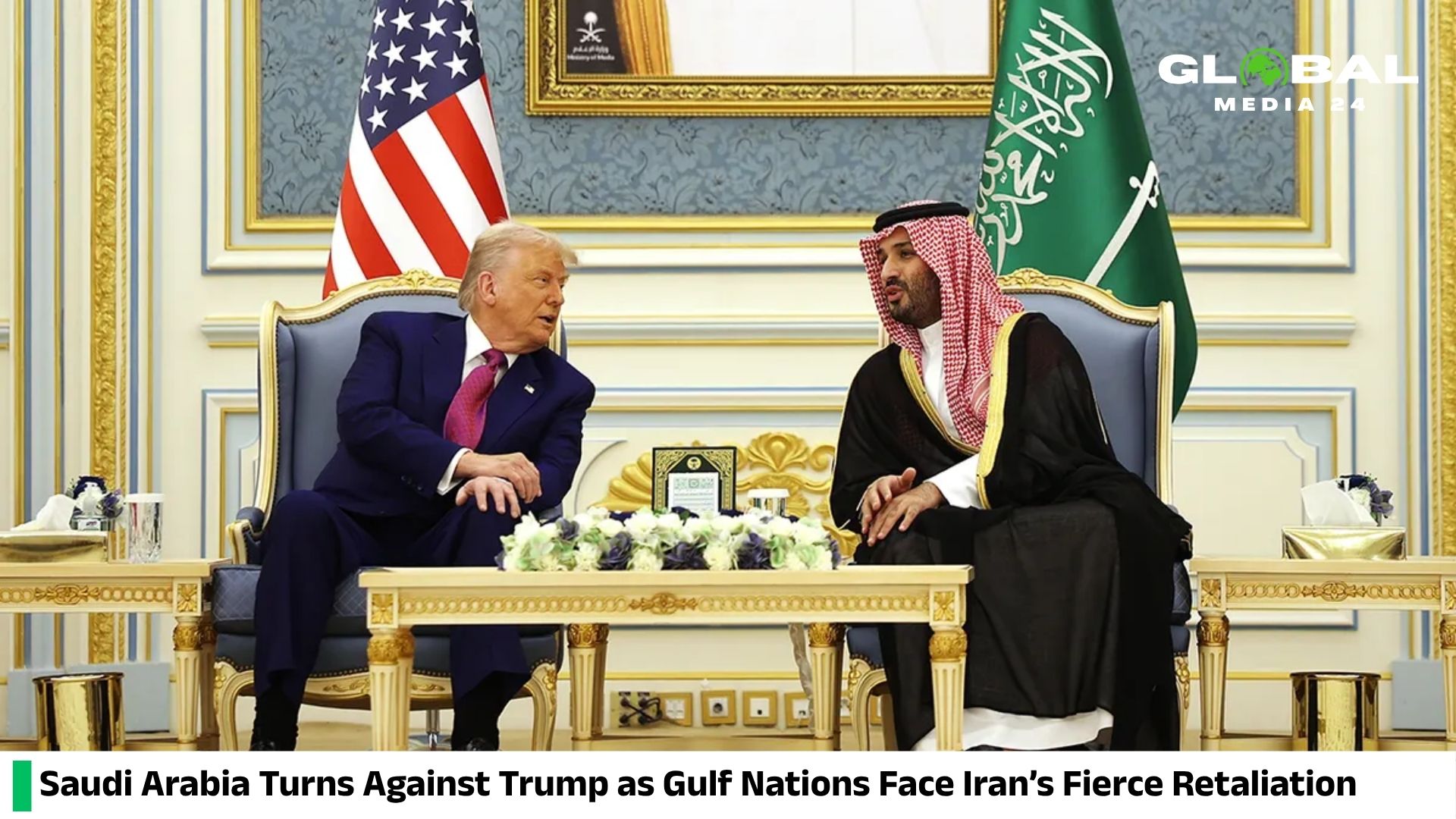
According to reports by The Wall Street Journal and The Financial Times, this impasse has now been resolved after the US President and Saudi Arabia’s de facto leader, Crown Prince Mohammed bin Salman, settled the matter during a phone call on Wednesday night.
This clears the path for the Trump administration to resume its operation of escorting commercial vessels with naval and air support. It remains unclear precisely when or how this will take place, although Pentagon officials, speaking to the WSJ, indicated a timeline pointing to sometime early this week.
Why Saudi Arabia Refused to Grant Airspace
This objection—which Riyadh has not denied—underscores Saudi Arabia’s desire to permanently avert a US-Israeli conflict with Iran, the fallout of which would see Tehran launching retaliatory attacks against its Gulf neighbors.
A source familiar with the matter told the Financial Times that Riyadh views Trump’s “Project Freedom” as “needlessly provocative and ill-conceived.”
According to the reports, Saudi Arabia is concerned that the American Commander-in-Chief is “mishandling the conflict,” thereby leaving Middle Eastern nations—particularly the United Arab Emirates (UAE)—to bear the brunt of Iran’s retaliatory strikes.
Riyadh—a signatory to the Abraham Accords—had initially perceived a strategic advantage in a US-Israeli offensive against the Islamic Republic. However, the Kingdom is now concerned about Trump’s unpredictability and his apparent lack of clear objectives.
Sources also told the FT that Riyadh is alarmed by Trump’s threats to strike civilian infrastructure and destroy all of Iran’s power plants, as such actions would likely provoke an even more severe retaliation from the Islamic regime.
The Kingdom is now joining other Arab nations in warning Trump against war and appealing to Washington to pursue a diplomatic resolution. It has also supported Pakistan’s efforts to mediate an agreement aimed at ending hostilities and reopening the Strait of Hormuz. Iran’s Response to “Project Freedom”
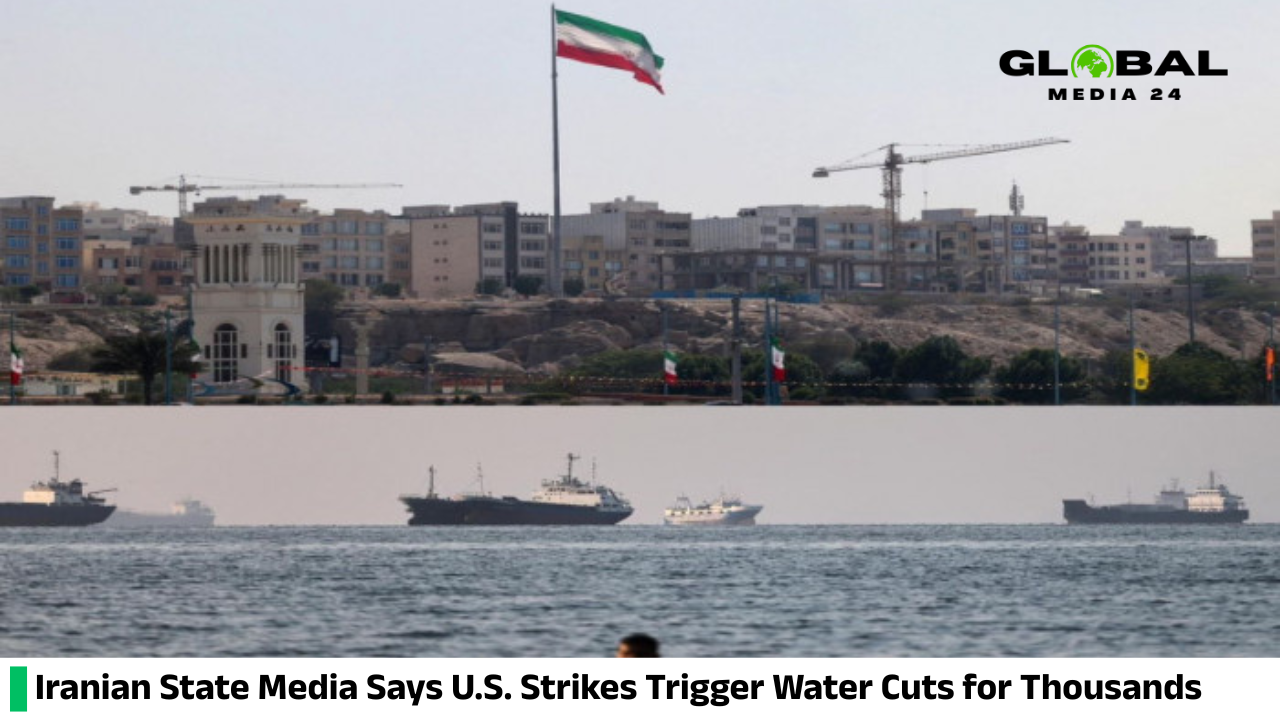
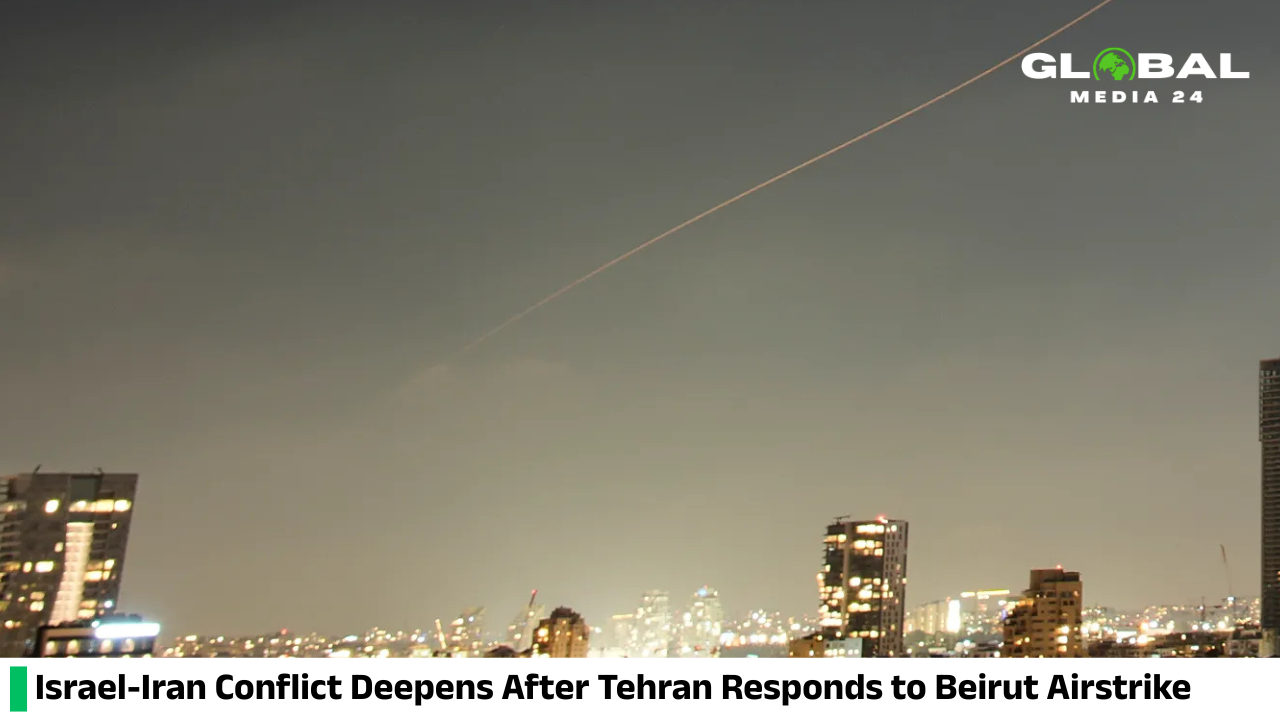
As soon as U.S. forces began attempting to escort vessels through the Strait of Hormuz, Tehran launched more than a dozen airstrikes against the UAE. While most of these attacks were intercepted, one struck an oil facility in Fujairah, injuring three Indian nationals working there.
Iranian forces also targeted three U.S. Navy and merchant vessels, which were successfully intercepted by the U.S. military. Drones and fast-attack boats were also deployed to pursue commercial shipping. The Trump administration has stated that it shot down the drones and missiles and sank six small Iranian vessels.
This incident jeopardized the fragile ceasefire that had been in place between the two nations for the past month. However, Trump sought to downplay the event, claiming it did not constitute “heavy firing” but was merely a “love tap,” and asserting that the ceasefire remains in effect.