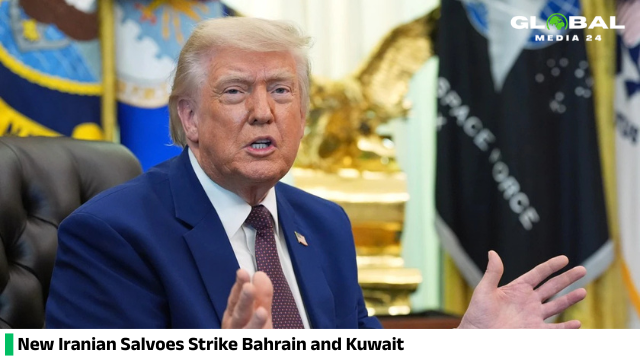

Talks between United States and Iran have reduced their goals for reaching a full-scale peace agreement, according to Iranian sources cited by Reuters. Meanwhile, Donald Trump said that leaders from Israel and Lebanon had agreed to initiate a 10-day ceasefire starting Thursday.
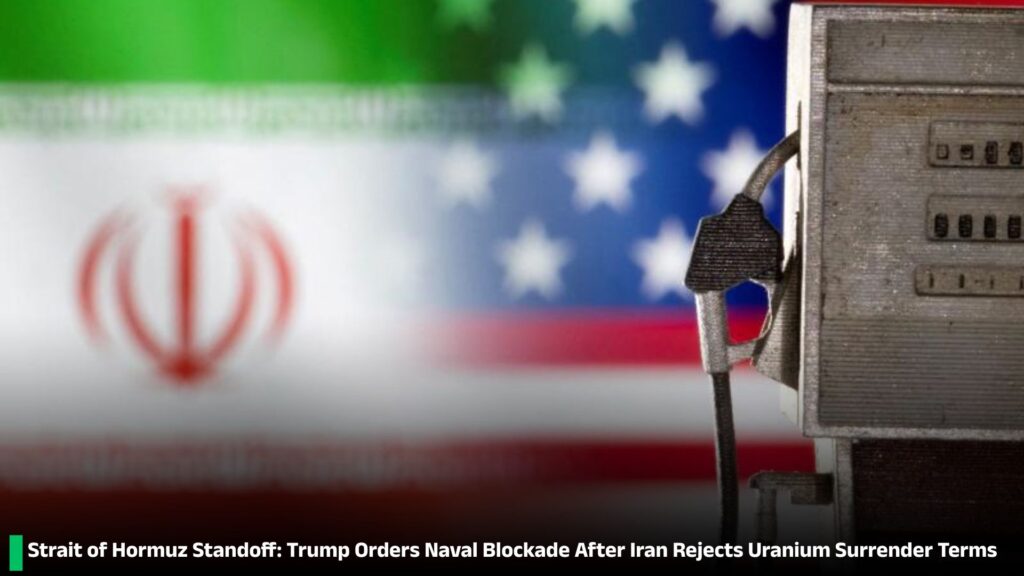
Oil prices rose on Thursday as the market grappled with the question of whether peace talks between the U.S. and Iran would resolve the disruptions to Middle Eastern energy supplies caused by their ongoing conflict.
Brent crude futures climbed approximately 4% to $98.58 per barrel by 12:17 p.m. ET. U.S. West Texas Intermediate crude futures rose more than 2% to reach $93.47 per barrel.
Two Iranian sources told Reuters on Thursday that expectations for a major peace accord in the talks between the U.S. and Iran have been dampened; instead, a temporary memorandum is now being sought to prevent a resumption of hostilities.
PVM Oil Market Analyst John Evans remarked, “We are skeptical that this conflict will be resolved anytime soon.” He added, “Pick any headline—there is always a counter-argument.”
Oil benchmarks showed no immediate reaction after U.S. President Donald Trump announced that Israeli and Lebanese leaders had agreed to implement a 10-day ceasefire in their respective conflicts, commencing Thursday.
The U.S.-Israel conflict with Iran has been described as the most significant disruption to global oil and gas supplies to date. This is primarily due to Iran’s obstruction of traffic through the Strait of Hormuz—a vital waterway through which approximately 20% of the world’s oil and liquefied natural gas flows.
Disruptions to energy flows through the Strait of Hormuz have begun to exert pressure on global oil inventories.
Scott Shelton, an analyst at TP ICAP, stated, “So far, no bombs have dropped; however, the volume of shipping traffic passing through the Strait has not improved compared to levels prior to the U.S. blockade—a factor that further heightens global focus on the inventory data released in the U.S. this week.” Government data released on Wednesday revealed that U.S. crude oil inventories fell by 913,000 barrels last week, whereas analysts had anticipated an increase of 154,000 barrels.
The data also indicated that U.S. inventories of gasoline and distillate fuels declined last week, as countries seeking to replace disrupted supplies boosted their imports from the U.S. U.S. and Iranian officials were considering returning to Pakistan by the upcoming weekend for further negotiations. Pakistan’s Army Chief arrived in Tehran on Wednesday to serve as a mediator.
A source briefed on the situation in Tehran told Reuters that Iran might consider allowing ships to pass unimpeded through the Omani side of the Strait of Hormuz, provided a deal is reached to prevent a resumption of hostilities following the two-week ceasefire that began on April 8.
Analysts at ING estimate that the disruption to the Strait has halted the flow of approximately 13 million barrels of oil per day—a figure that accounts for pipeline diversions as well as minor tanker traffic passing through the gateway.
The disruption could intensify following the announcement of a U.S. blockade on Iranian ports—made after peace talks collapsed over the weekend—although some tankers subject to U.S. sanctions have reportedly managed to evade the restrictions.
U.S. Treasury Secretary Scott Bessent stated that Washington would not renew sanctions waivers for certain Iranian and Russian oil shipments.