White House Press Secretary Karoline Leavitt stated that the United States Navy has not escorted any tanker or vessel so far, although she noted that such an action remains a possibility.
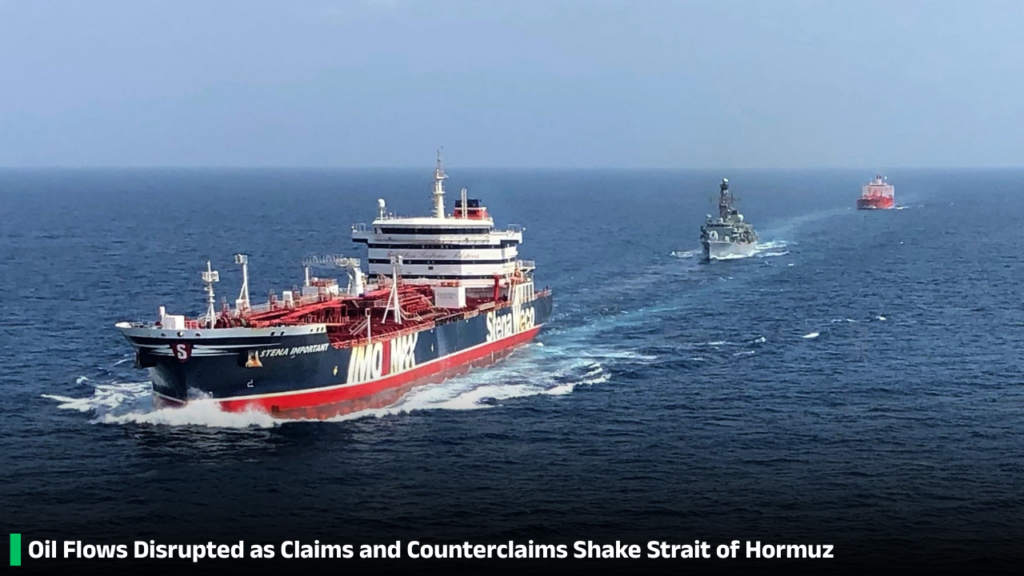
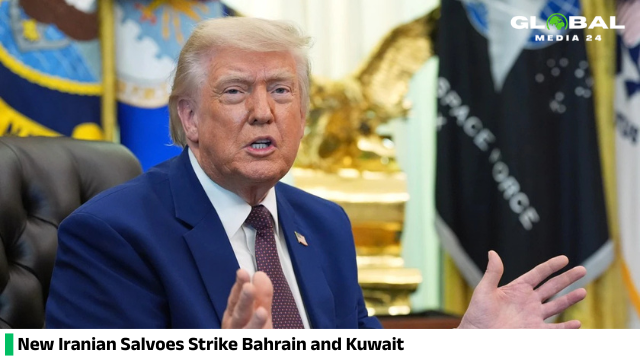
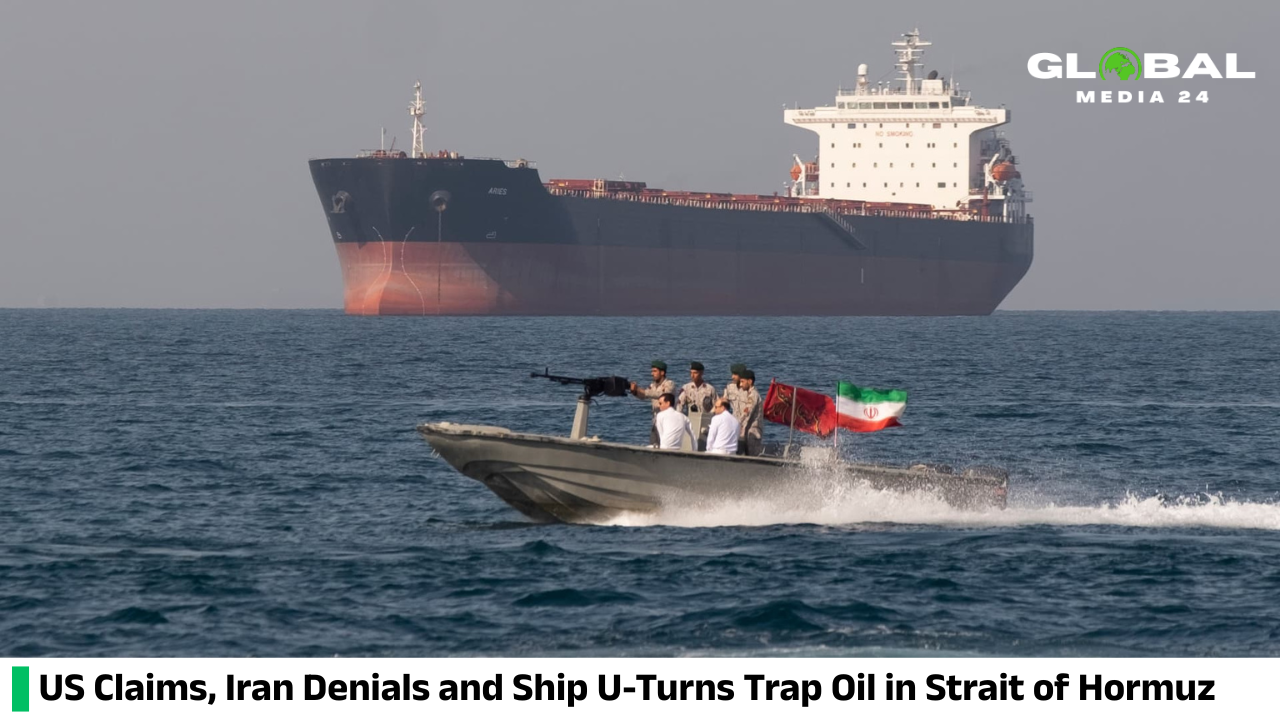
Amid growing concerns about the escalating conflict in the Middle East, US Energy Secretary Chris Wright posted a claim that the United States military escorted an oil tanker through the Strait of Hormuz to ensure global energy supplies, further adding confusion to an already volatile oil market.
The post was deleted minutes after publication, triggering a sell-off and causing oil prices to fall sharply. This prompted the White House to confirm that no such escort had occurred.
Wright wrote in a post on X, “President Trump is maintaining global energy stability during the military operation against Iran.”
He added, “The US Navy successfully escorted an oil tanker through the Strait of Hormuz to maintain the flow of oil to the global market.”
Fact Check
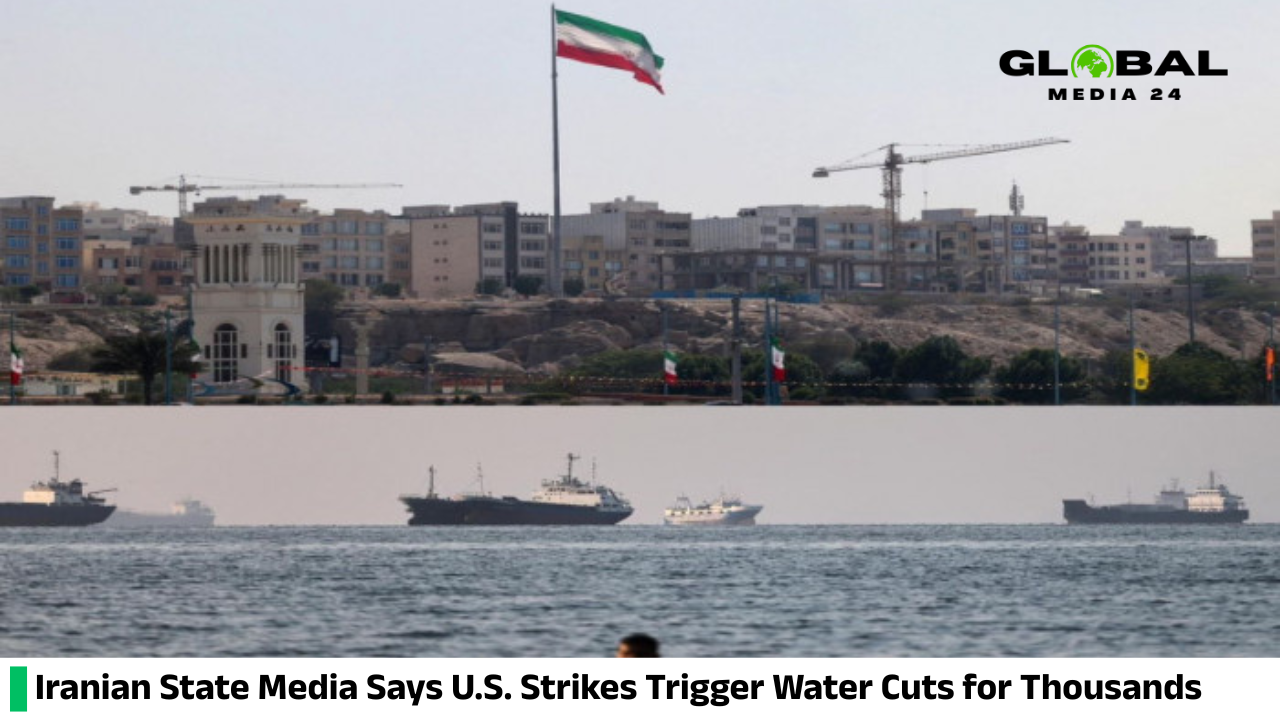
Oil prices plunged further after Wright’s post, with the White House stating that the United States had not escorted any oil tankers through the Strait of Hormuz—one of the world’s most vital energy routes, carrying approximately 20 percent of the world’s oil and a significant portion of LNG shipments.
White House Press Secretary Caroline Levitt said in a briefing, “I can confirm that the US Navy has not escorted any tankers or ships at this time; however, it remains an option.”
Iran’s Revolutionary Guards also stated that no US Navy vessel had “dared” to approach the Strait of Hormuz, calling Wright’s claim “completely false.”
An Energy Department spokesperson told AFP that “a video clip was deleted from Secretary Wright’s Official X account because Department of Energy staff discovered it had an incorrect caption.”
According to data compiled by the UK Maritime Trade Organization (UKMTO), the International Maritime Organization (IMO), and Iranian authorities, at least 10 oil tankers were attacked, targeted, or reported attacked in or near the Strait of Hormuz between March 1 and 10.
Price Fluctuations
This strange incident comes amid a period of significant price volatility in the global oil market, as traders search for concrete evidence of the Trump administration’s efforts to free millions of barrels of Middle Eastern oil stranded in the Persian Gulf.
Nearly all commercial trade through the Strait of Hormuz has ceased since the Iran war began, and owners are concerned about safety. This prevented tankers from leaving the Gulf, filling up storage and forcing producers to drastically cut production.
Saudi Arabia, Kuwait, Iraq, and the United Arab Emirates are pumping millions of barrels less oil each day, so the need to resume normal traffic through the waterway is acute. However, Tehran vowed on Tuesday that no goods would be exported from the Gulf as long as the war continues.
Before the war, an average of 138 ships transited the Strait of Hormuz daily.
Since the war began, President Donald Trump’s administration has taken steps to reassure the global market, including reinsurance for shipping companies and the use of the US Navy to escort tankers. However, the supply disruption has caused crude oil prices to fluctuate sharply, rising 30 percent to nearly $120 per barrel on Monday before falling again.
They continued to fall even after Trump’s comments on Monday, suggesting the war could soon be over, while his defense secretary vowed a day later to launch “the most powerful strikes inside Iran.”
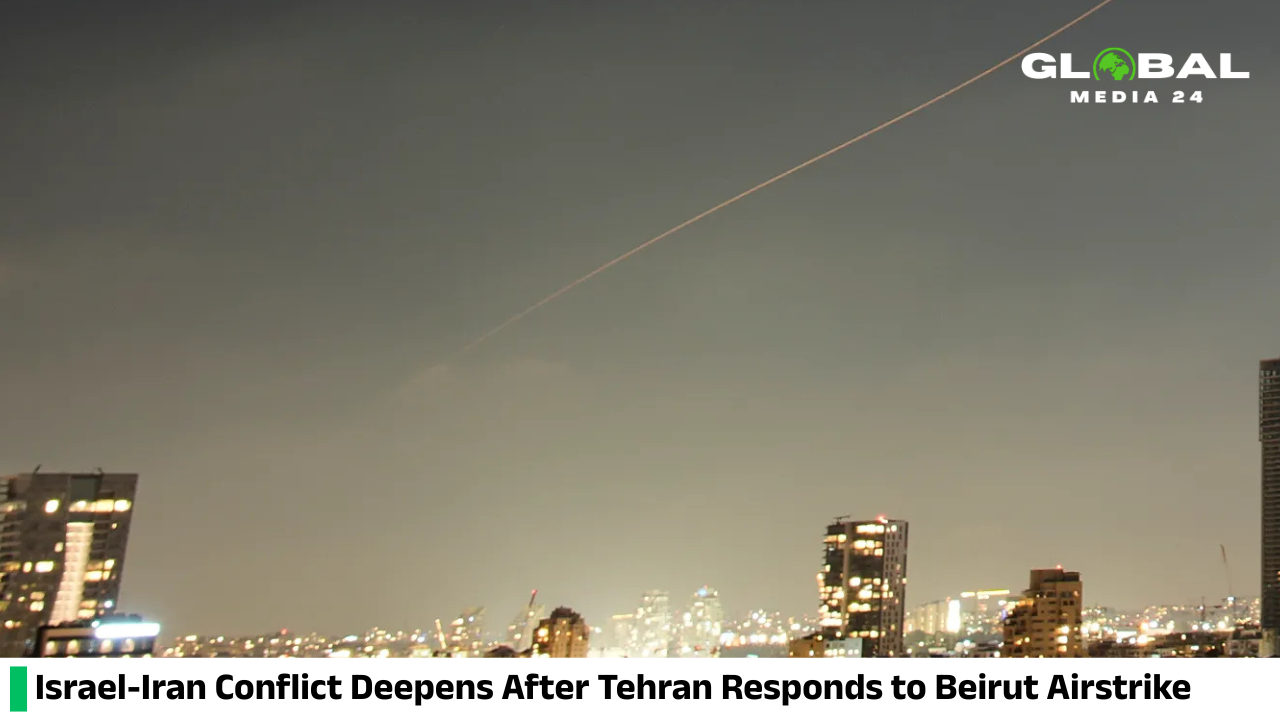
The war has included attacks on oil depots in Iran and energy infrastructure in wealthy Gulf countries, previously seen as safe havens in the volatile Middle East.
Uncertainty over the ability to transport oil by water caused wild fluctuations in the crude oil market on Tuesday, with the price per barrel fluctuating several times between more than $90 and less than $80.