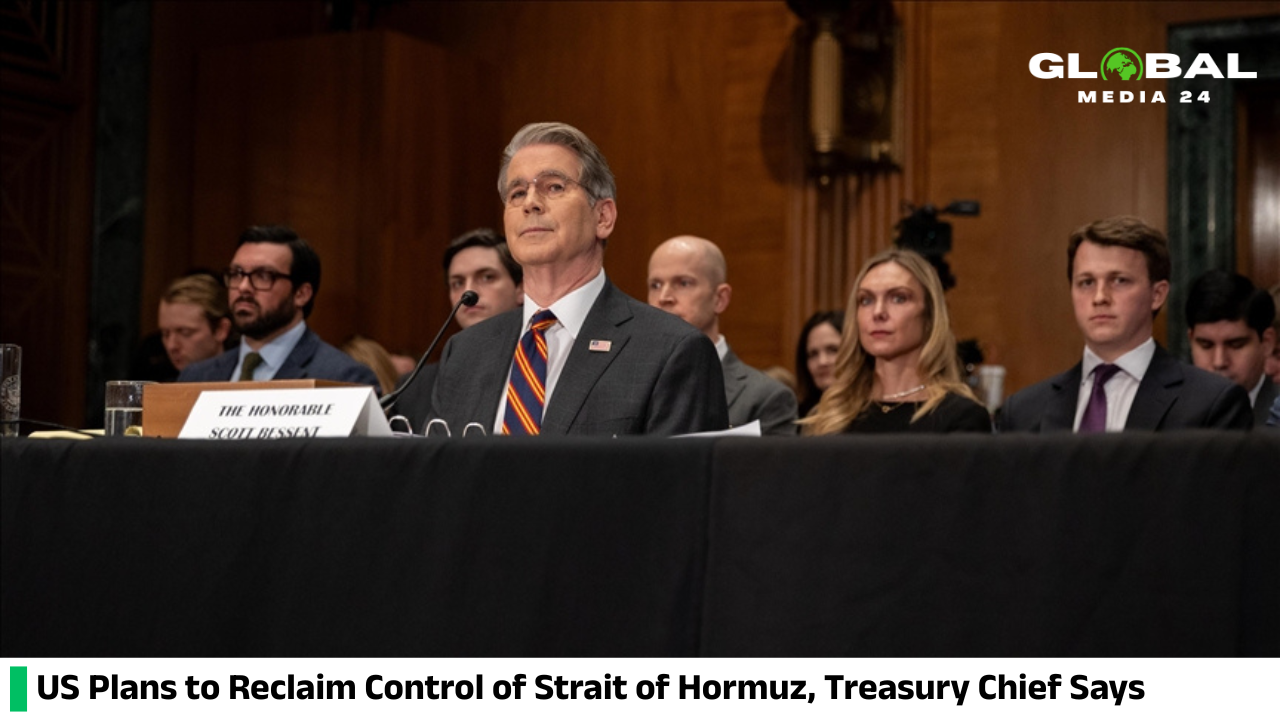
US Treasury Secretary Scott Bessent stated in a Monday interview with Fox News that the United States plans to regain control of the Strait of Hormuz.
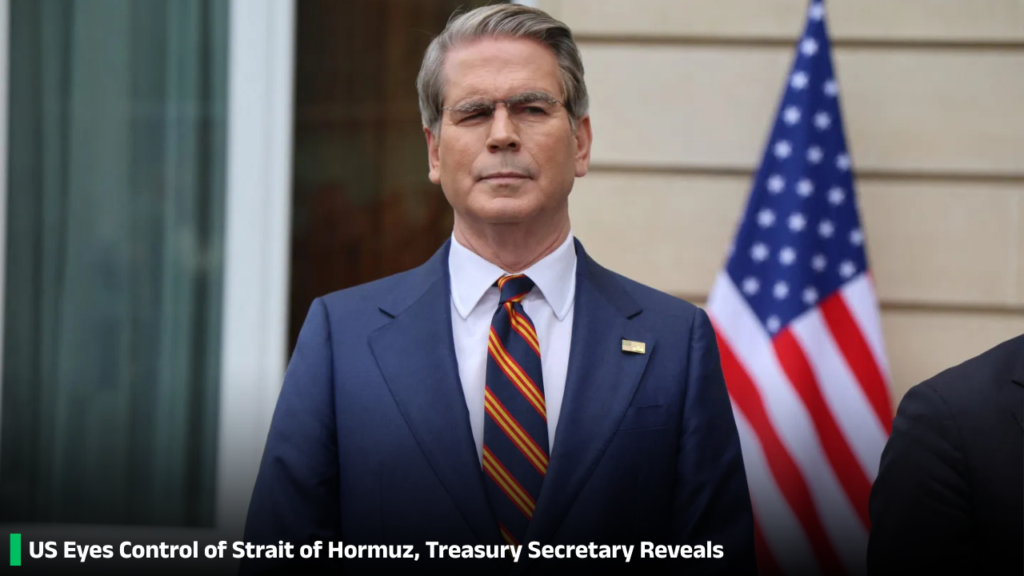
In an interview with Fox News on Monday, US Treasury Secretary Scott Bessent stated that the United States intends to reassert control over the Strait of Hormuz, thereby ultimately ensuring freedom of navigation.
He noted that while various nations have entered into separate arrangements to traverse the Strait of Hormuz, the US will eventually regain control over the waterway—whether through American escorts or a multinational escort force.
He told Fox News, “There is ample supply in the market, and we are observing an increasing volume of ship traffic daily, as certain nations have been engaging in arrangements with the Iranian government for some time. Over time, the US will reassert control over the Strait, and freedom of navigation will be secured—whether through US escorts or a multinational escort.”
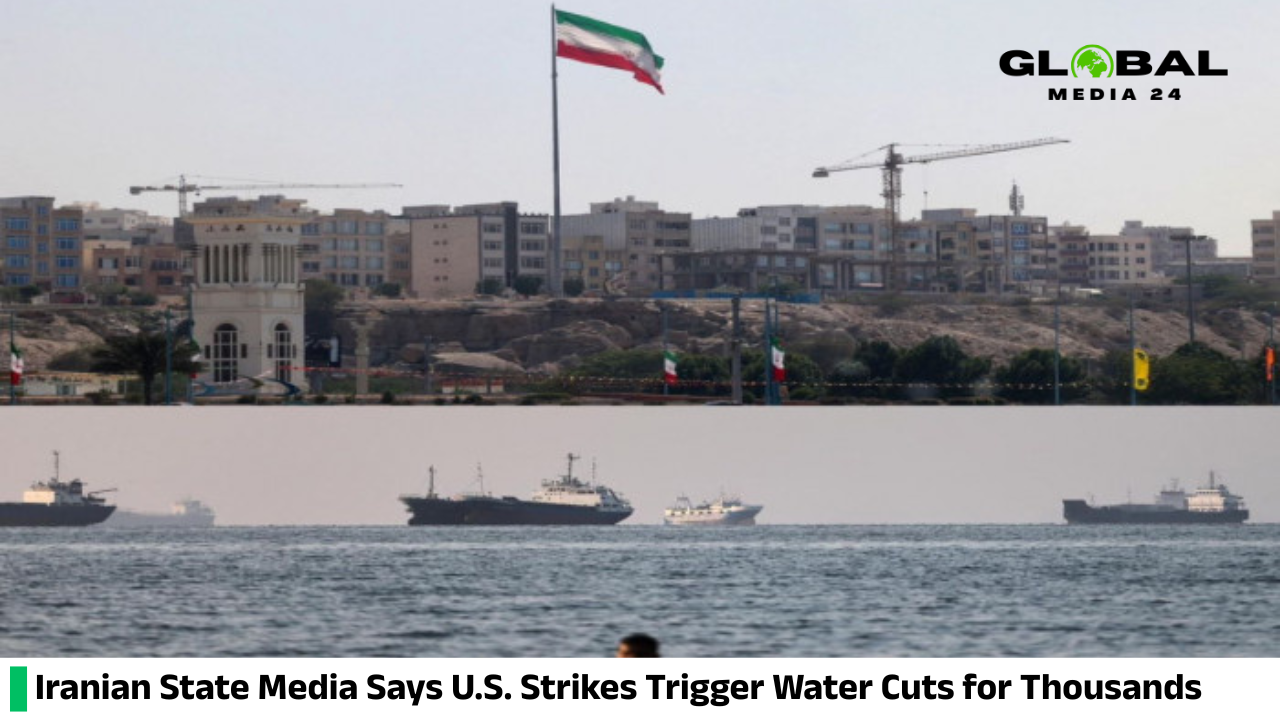
These remarks come at a time of heightened global concern regarding the strategic Strait of Hormuz, a critical choke point for approximately one-fifth of the world’s oil flow.
Also on Monday, US Secretary of State Marco Rubio stated in an interview with ABC News that the United States has inflicted significant damage upon Iran’s naval forces and its defense industrial base.
He asserted that US President Trump would not permit Iran to maintain control over the Strait of Hormuz “forever,” emphasizing that the nation would achieve its objectives within a matter of weeks.
Speaking to ABC News, Rubio said, “We are dismantling Iran’s navy. We are largely eliminating their missile launchers. We are going to destroy their defense industrial base, which means that in the future, their capability to build new missiles and new drones will be eliminated, because this poses a massive threat to the region. This Iran that you see right now—this Iran is at its weakest point.”
Speaking about the Strait of Hormuz, the US Secretary of State stated that President Trump has multiple options to counter Iran’s dominance over the strait.
“Now, they (Iran) are threatening to control the Strait of Hormuz indefinitely, to establish a tolling system, and so forth. This will not be allowed to happen. And if the president wishes to prevent this from occurring, he has a range of options at his disposal.”
Rubio further added, “The Department of War will be in charge of these matters… This is the only path to achieving our objectives. We will accomplish our goals within a matter of weeks, not months.”
According to Press TV, Baghaei stated during a press conference, “It seems entirely natural that whenever the US raises the issues of dialogue and diplomacy, sensitivities are heightened. It remains unclear—even within the US itself—how seriously the country’s claims regarding diplomacy and dialogue are actually taken.
The reactions and prevailing sentiment also indicate that global confidence in US claims within the realm of diplomacy is extremely low.”
Criticizing the US, he noted that while Washington’s stance has been constantly shifting, Tehran has maintained a clear and consistent position regarding dialogue.
The Foreign Ministry spokesperson emphasized that Iran did not participate in the four-way meeting held in Islamabad on Saturday, which was hosted by Pakistani Prime Minister Shehbaz Sharif and attended by the foreign ministers of Saudi Arabia, Turkey, and Egypt.
His remarks came following a report in the Financial Times in which US President Donald Trump claimed that indirect talks between the United States and Iran—facilitated by Pakistani intermediaries—were making “positive progress.”
These developments unfold at a time when Trump has threatened that if Tehran does not reopen the Strait of Hormuz, he will target Iran’s civilian energy infrastructure—including power plants, oil wells, and Kharg Island.
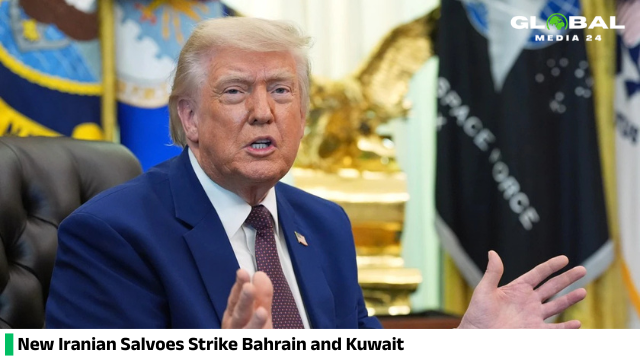
In a social media post, Trump stated: “Much progress has been made, but if for some reason a deal is not struck soon—which it likely will be—and if the Strait of Hormuz is not immediately ‘open for business,’ we will end our ‘stay’ in Iran by blowing up and completely destroying all of their electric generating plants, oil wells, and Kharg Island.”
He added that Washington is engaged in “serious talks” with a “new and more sensible” leadership in Tehran with the aim of bringing US military operations to a close. This conflict has been ongoing for over a month amidst escalating regional tensions.
The president appealed to Iran to ensure that the waterway remains “open for business,” linking the resumption of maritime traffic to progress in the ongoing negotiations aimed at ending direct hostilities.
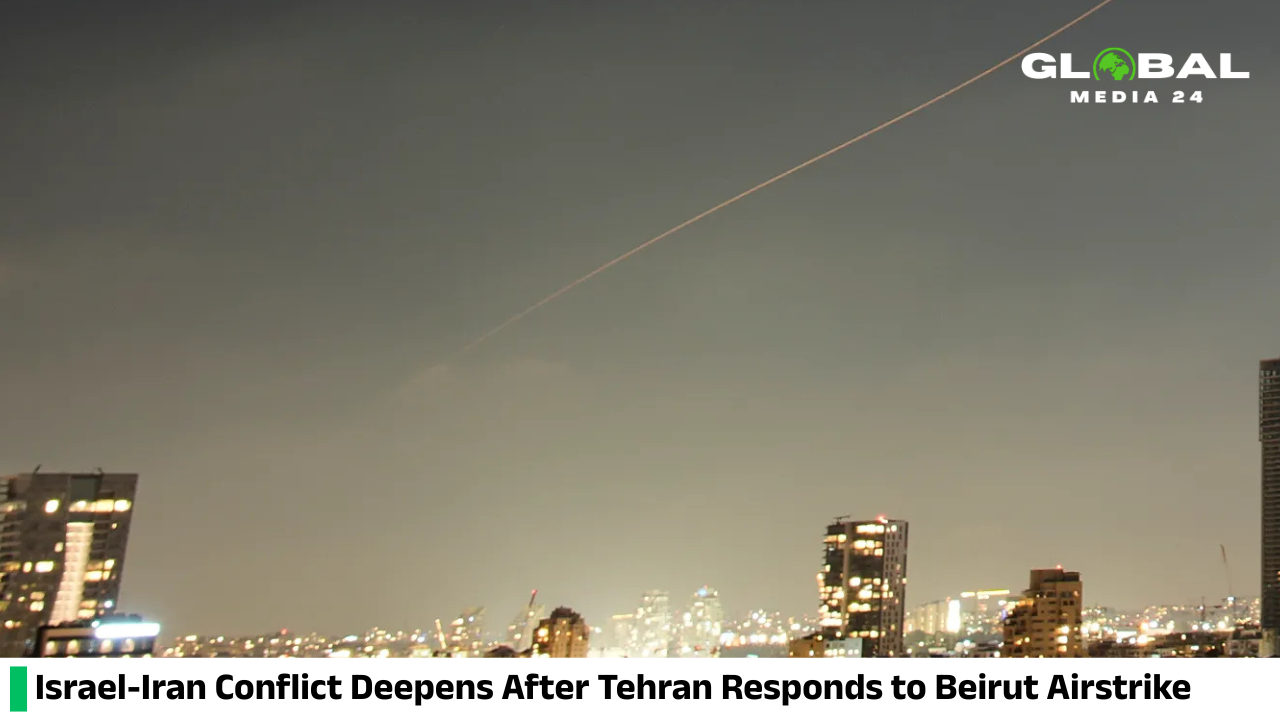
These events occur as the conflict involving the US, Israel, and Iran enters its second month and as the security situation across West Asia and the Gulf region continues to deteriorate.