Iran’s Press TV reported that no communication has taken place with the US regarding talks, whether direct or indirect.
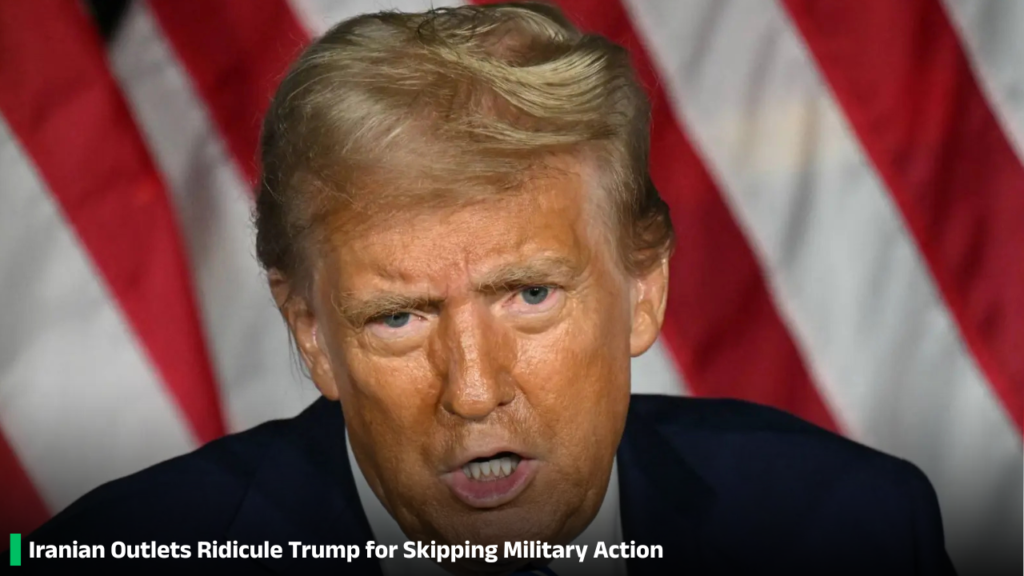
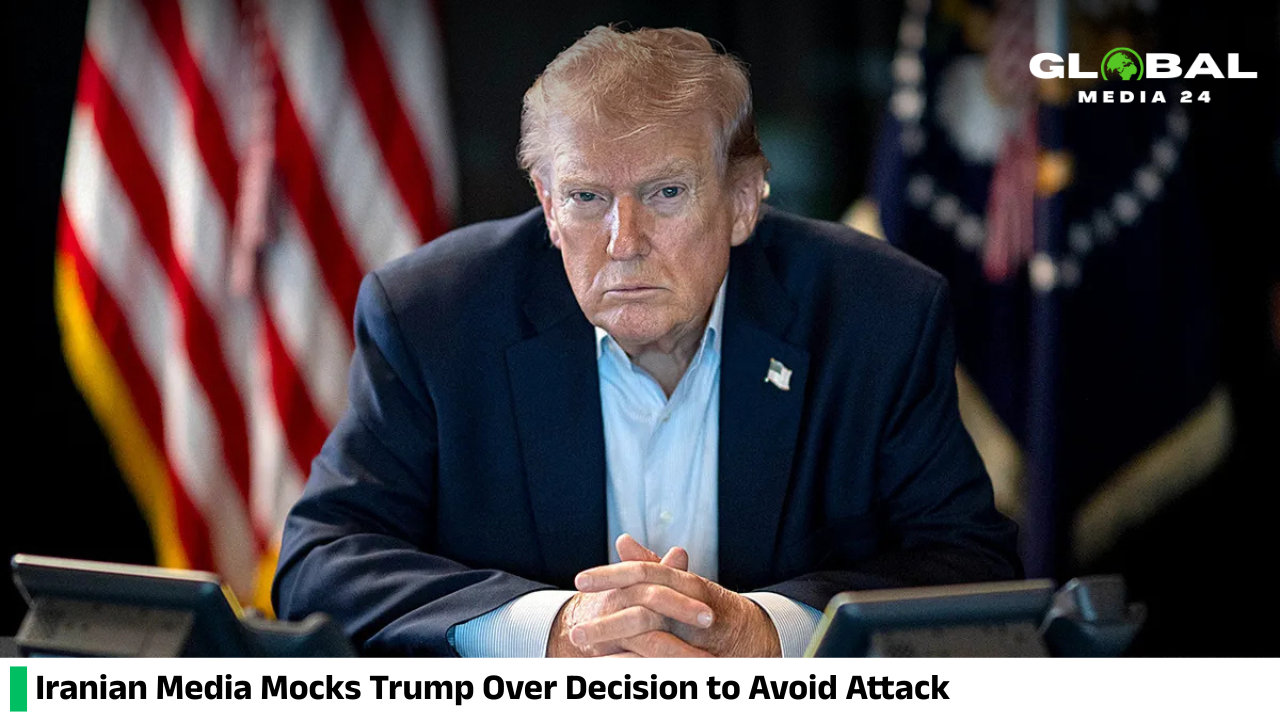
Iran’s main state-run media outlets today promptly characterized US President Donald Trump’s decision to halt attacks on the Islamic nation’s power grid as evidence of US hesitation.
As diplomatic exchanges unfolded, Iran signaled that it intends to pursue a path of deterrence rather than making concessions.
Trump’s announcement—that the US would refrain from attacking Iranian power plants and associated infrastructure for a period of five days—elicited a mixed reaction within Tehran’s media ecosystem, ranging from mockery to claims of victory.
The Iranian media outlet Press TV reported that no contact regarding negotiations with the United States had taken place, whether directly or indirectly.
Press TV further reported that a senior security official stated Trump had withdrawn his offer for talks due to Iran’s credible military threats, as well as mounting financial pressure within the US and the West.
The official asserted that no negotiations are currently underway, adding that psychological warfare would neither resolve the situation in the Strait of Hormuz nor stabilize energy markets. He further remarked that Trump’s five-day ultimatum merely exposes ongoing plans for attacks—plans to which Iran would respond with full defensive measures.
In a social media post, Mehr News stated that recent attacks on energy sites—and Tehran’s subsequent response—have “compelled” Washington to reconsider its stance.
Mehr characterized Trump’s threat as “a bluff,” citing the postponement of US attacks as evidence.
The Tehran Times, taking a jab at Trump, stated that his strategy amounts to a retreat conducted under the guise of diplomacy.
Iran’s state broadcaster, IRIB, published two posts linking this pause to Iran’s military warnings. These warnings had threatened to close the Strait of Hormuz until damaged power plants were repaired and had warned of attacks on Israeli energy assets and related infrastructure.
IRIB asserted that Trump did not halt operations out of goodwill but rather because Tehran had placed the region’s power grid at risk.
Press TV declared that Trump had “backed down again,” framing the five-day pause as the latest in a series of alleged reversals.
Ibrahim Rezaei, spokesperson for the National Security and Foreign Policy Commission, stated in a post on X: “Trump and the U.S. have backed down once again. The resistance front continues to advance. Another defeat for the Great Satan.”
The reaction across Iranian media was unanimous: the strategy of deterrence is working effectively for the country; tensions will persist; and the energy grid will remain a battlefield. Notably, they made no mention of the “productive dialogue” that Trump had referenced.
From a diplomatic standpoint, the window of opportunity created by Trump’s pause is extremely narrow, as five days offer insufficient time for structured negotiations—particularly given that multiple fronts remain active and every regional actor is operating on its own timeline.