A senior US official also told Axios that they believe Vance represents the most realistic route to reaching a negotiated end to the war. The official added that if Iran is unable to come to an agreement with Vance, no deal is likely at all, emphasizing that he is the most favorable option available to them.
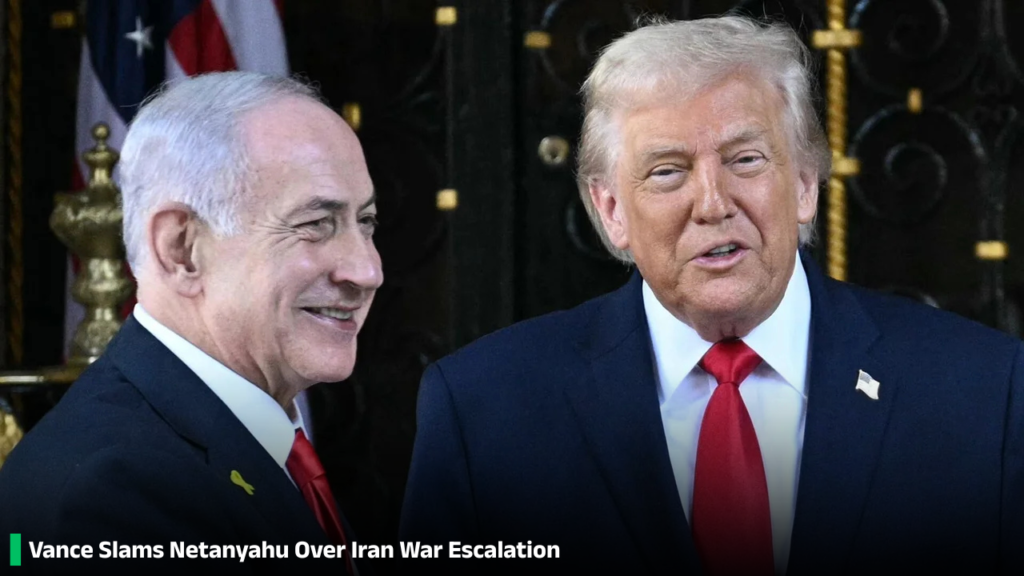
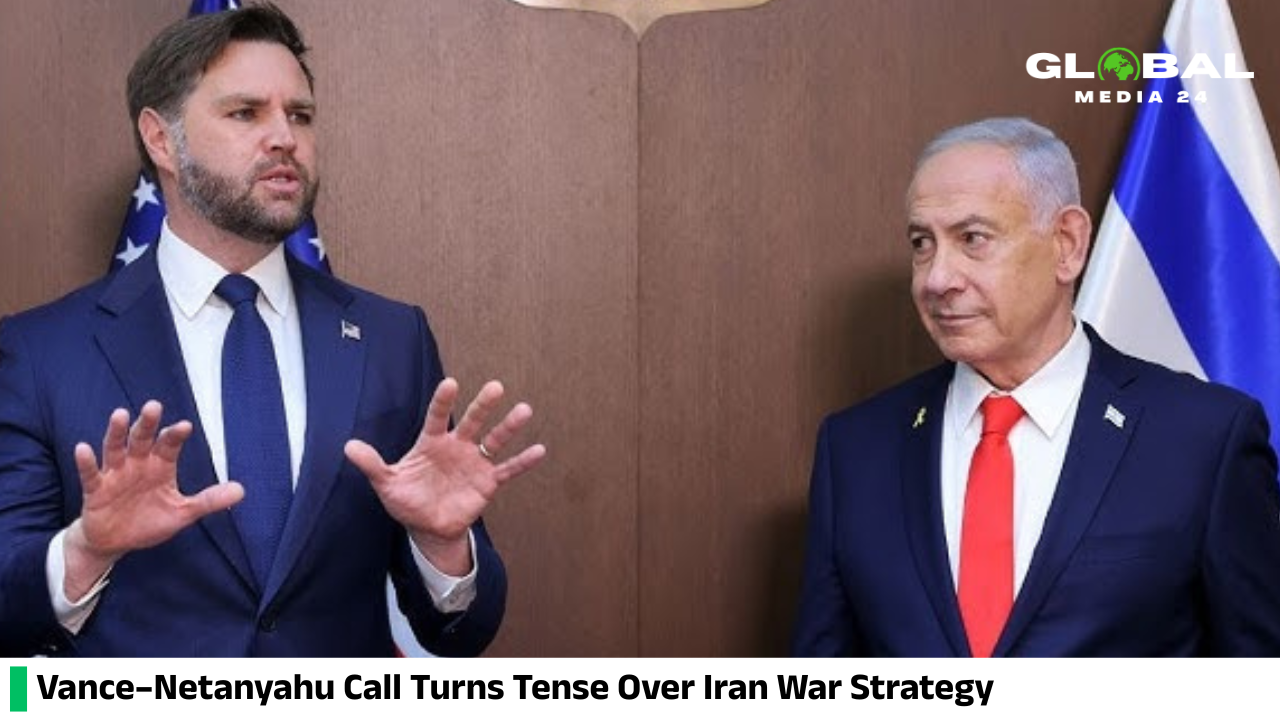
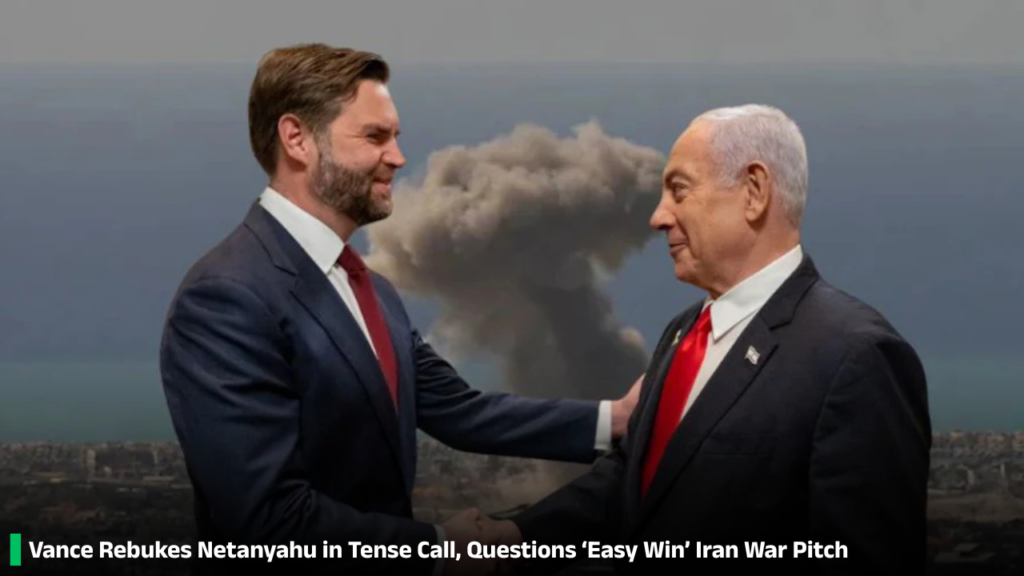
According to a report by Axios, U.S. Vice President J.D. Vance had a tense phone conversation earlier this week with Israeli Prime Minister Benjamin Netanyahu, during which he rebuked the premier for making overly optimistic statements regarding a war with Iran.
According to the outlet, Vance pressed Netanyahu regarding his confidence in the likelihood of regime change.
A U.S. official told Axios, “Before the war, Bibi really conveyed to the President that this would be easy because the prospect of regime change was far more realistic [than it actually was].” ” And the VP was very blunt regarding some of those statements,” referring to Netanyahu by his nickname.
Following the call, a U.S. official claimed that Israel is actively working to undermine Vance, who has emerged as a key figure in ceasefire negotiations with the Islamic Republic.
Vance, a longtime critic of overt foreign intervention, is participating in discussions alongside U.S. Ambassador Steve Witkoff and Jared Kushner.
The same official alleged that Israel is responsible for reports suggesting that Iran prefers negotiating with Vance because he may be more inclined to accept a deal to end the fighting. The official told Axios, “This is an Israeli operation against J.D.”
Another senior U.S. official told Axios that, in their view, Vance represents the most viable path to ending the conflict through negotiation.
“If the Iranians can’t cut a deal with Vance, they won’t get a deal,” the official said. “He is the best they are going to get.”
Vance Faces a Dilemma Regarding Iran
U.S. Vice President J.D. Vance—who has his sights set on the White House in 2028—has maintained a low profile since the outbreak of the conflict with Iran.
A former U.S. Marine who served in Iraq, Vance built his political brand as a non-interventionist who sought to keep the United States out of any prolonged foreign wars.
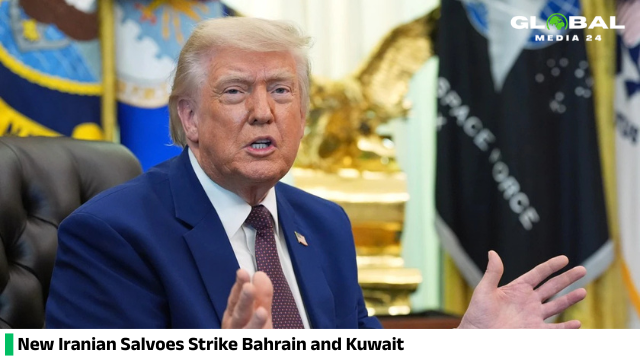
Even Trump acknowledged that there were differences between them regarding “Operation Epic Fury.”
“I would say that, philosophically, he was a little different from me,” Trump said of Vance on Monday. “I think he was perhaps less enthusiastic about going in—though he was certainly enthusiastic enough.”
Although he has publicly supported Trump’s operation against Iran, Vance has given only one televised interview since its inception—one in which he emphasized that this would not become another American “forever war.”
However, earlier this month, Vance downplayed these differences, stating, “I think a major difference is… that we have a smart president now, whereas previously we had foolish presidents. I trust President Trump to get the job done, to do what is best for the American people, and to ensure that the mistakes of the past are not repeated,” Vance said while standing alongside Trump during an Oval Office event.