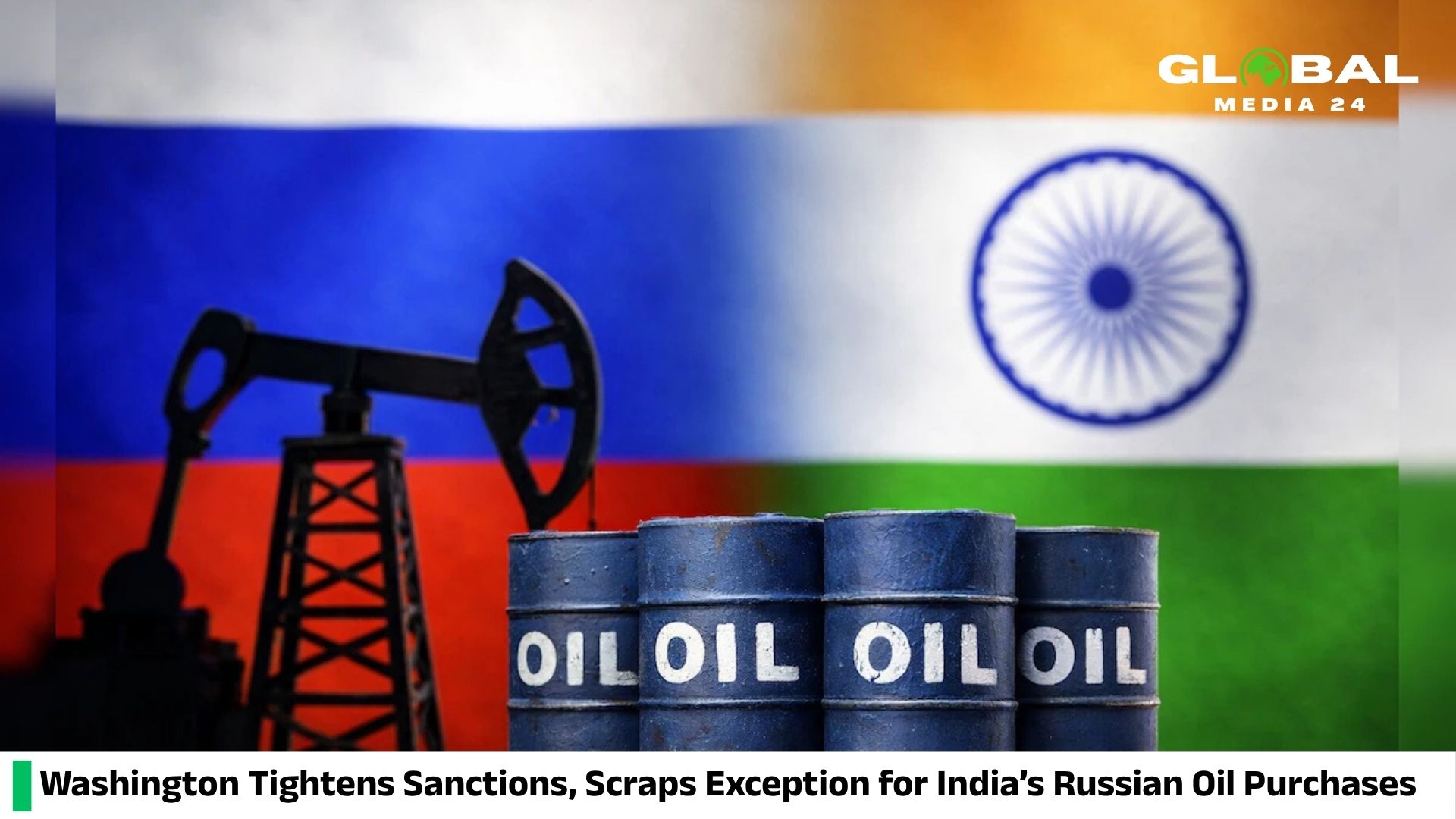
The waivers on purchasing Russian crude had enabled India to secure extra volumes during a period of global supply disruptions. According to reports, Indian refiners booked nearly 30 million barrels of oil from Russia under the waiver window.
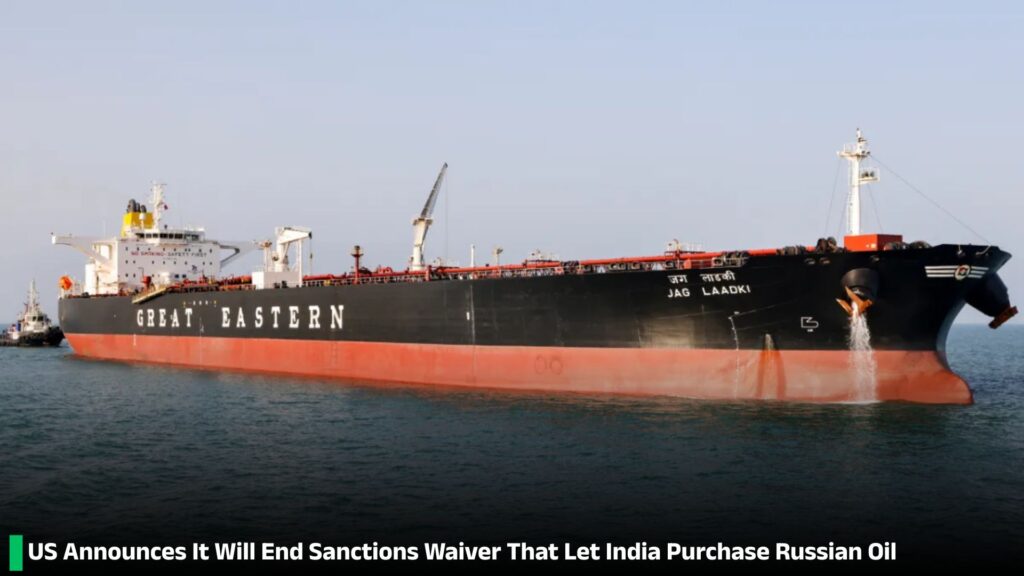
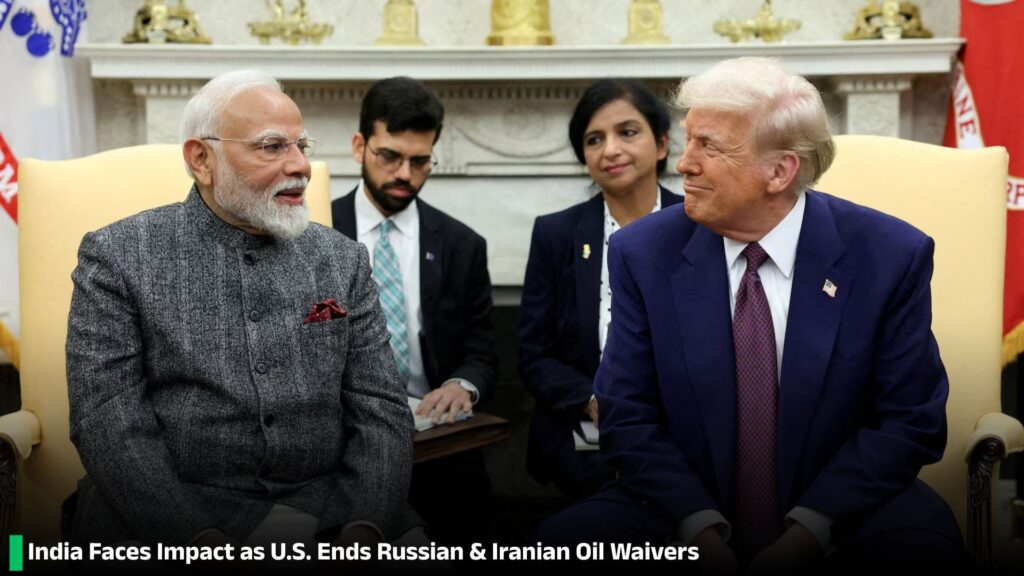
The United States has announced that it will not renew the waivers that previously permitted the purchase of certain Iranian and Russian oil without incurring U.S. sanctions.
India benefited the most from these sanctions waivers, as they allowed New Delhi to continue purchasing Russian oil despite the logistical challenges surrounding the Strait of Hormuz—an area where numerous vessels had become stranded at sea.
Treasury Secretary Scott Bessent told reporters on Wednesday, “We will not renew the general license for Russian oil, nor will we renew the general license for Iranian oil. This oil consisted of shipments that were already ‘on the water’ prior to March 11; therefore, those supplies have now been fully utilized.”
These measures signal the conclusion of the efforts by the Donald Trump administration to leverage sanctions waivers to boost oil supplies and mitigate rising global energy prices. Energy costs worldwide—including within the U.S.—have surged following the escalation of hostilities in the Middle East.
As U.S. Waivers Expire:
These temporary waivers were established as a short-term measure to help stabilize rising energy prices. They facilitated limited transactions involving oil shipments that had already been loaded onto vessels prior to a specified deadline, thereby allowing those cargoes to reach the global market and helping to alleviate pressure on energy supplies amidst the conflict.
In March—when Iran effectively seized control of the primary energy transit route through the Strait of Hormuz (a waterway through which approximately 20 percent of the world’s crude oil and liquefied natural gas [LNG] passes)—the U.S. issued a 30-day general license. This license authorized the delivery and sale of Russian crude oil that had been loaded onto vessels prior to March 12; that specific waiver is set to expire on April 11.
On March 20, the Treasury Department issued a similar waiver for Iranian oil, enabling approximately 140 million barrels of oil to reach the global market and helping to alleviate pressure on energy supplies amidst the ongoing conflict. This waiver is set to expire on April 19.
The decision not to renew this waiver comes at a time when Washington is seeking to exert “maximum pressure” on Iran amid the ongoing conflict.
How US Waivers Benefited India
The waiver granted for purchasing oil from Russia helped India secure additional supplies amidst global oil shortages.
Reports indicate that Indian refiners have placed orders for approximately 30 million barrels of Russian oil during this period.
Major refining companies, including Reliance, had initially curtailed purchases from Russian firms—such as Rosneft and Lukoil—in January of this year amidst pressure from the US; however, they soon shifted their strategy and began purchasing larger volumes of oil from Russian entities.
Amidst the waivers, at least two supertankers carrying Iranian crude oil arrived at Indian ports—marking the first such deliveries in nearly seven years.
Previously, India was a major purchaser of Iranian crude oil, importing significant volumes of both light and heavy Iranian grades due to their favorable compatibility with refineries and attractive commercial terms.
Following the tightening of sanctions in 2018, imports ceased entirely in May 2019, giving way to imports of Middle Eastern, US, and other grades. At its peak, Iranian crude oil accounted for 11.5 percent of India’s total oil imports.
Subsequent Criticism
Despite their stated objectives, these measures faced significant criticism—particularly from opposition Democrats within the United States. In a post on X on April 10, US Senator Richard Blumenthal stated, “Sanctions waivers for Russia must not be extended under any circumstances. Trump’s waivers have provided Russia with an extra $150 billion every day to fuel its bloody war machine—one that kills and kidnaps Ukrainian children—while simultaneously aiding Iran with intelligence used to target our troops.”
Other Democrats, such as Chuck Schumer, also demanded that the Trump administration revoke its “dangerous” sanctions waiver policy.
In a joint statement issued alongside two other Democrats, they noted: “Prior to easing sanctions on the Kremlin—and in addition to violating congressional notification requirements under the Countering America’s Adversaries Through Sanctions Act—Secretary Mnuchin characterized the license as a temporary and ‘short-term’ measure that would yield no significant financial benefit to the Russian government.”
The statement further added: “However, Russia’s decision to cancel planned budget cuts demonstrates that—just as we had warned—Russia is directly benefiting from the administration’s sanctions relief. It is incumbent upon the Trump administration to reverse this dangerous policy, ensure that Russia derives no further benefit, and prevent the United States from continuing to fuel Putin’s war machine.”