The failure of the US–Iran peace talks in Islamabad highlights the limitations of diplomacy when middle powers try to operate amid rivalries between major powers.
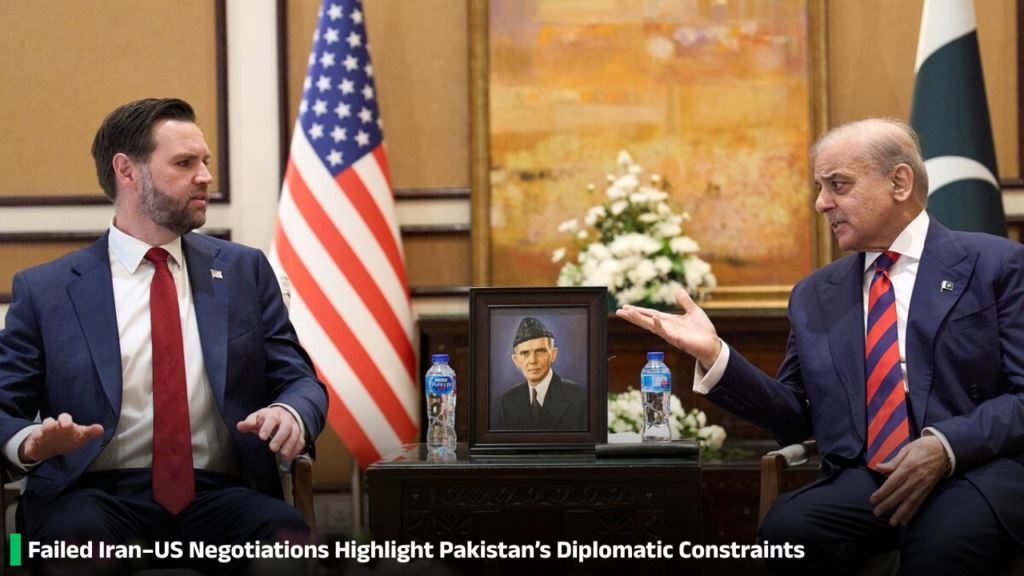
A large coalition of nations—led by Pakistan and backed by China—working in concert with Saudi Arabia, Turkey, and Egypt achieved a remarkable feat by bringing Washington and Tehran to the negotiating table. However, maintaining their presence at the table presents a significant challenge that has now become a pressing issue.
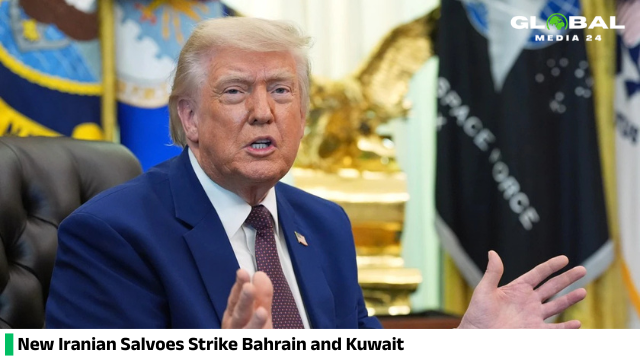
Tensions are poised to escalate further: President Donald Trump has ordered a complete naval blockade of the strategic Strait of Hormuz, an operation scheduled to commence Monday morning, according to The New York Times.
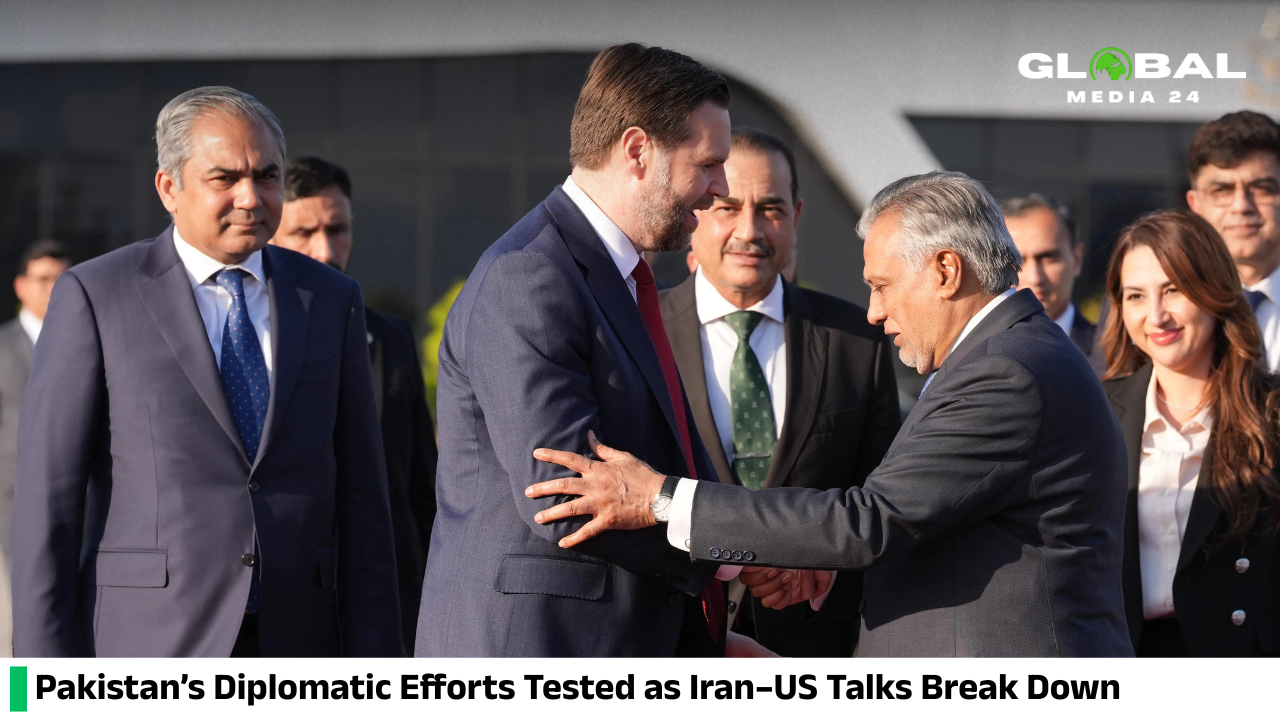
It was always doubtful that Vice President J.D. Vance could simply arrive in Islamabad and, over the course of a single weekend, resolve a 47-year-old enmity; such an expectation reflects American hubris more than the practical realities of negotiating with Tehran on the ground.
After 21 hours of talks aimed at ending six weeks of hostilities, Vance returned home without securing a deal. Iran maintained a firm stance on key issues—and a standoff persists between the two sides regarding Tehran’s nuclear program and control over the Strait.
Nevertheless, this unlikely coalition’s efforts to defuse the crisis signal the emergence of a nascent regional order—one born not of natural affinity, but of necessity.
These are unlikely candidates in global diplomacy, and they are cautious with one another; yet, they all share a vested interest in working toward a durable peace: ensuring the continued flow of oil, averting a major regional conflict, and mitigating the costs of escalating tensions.
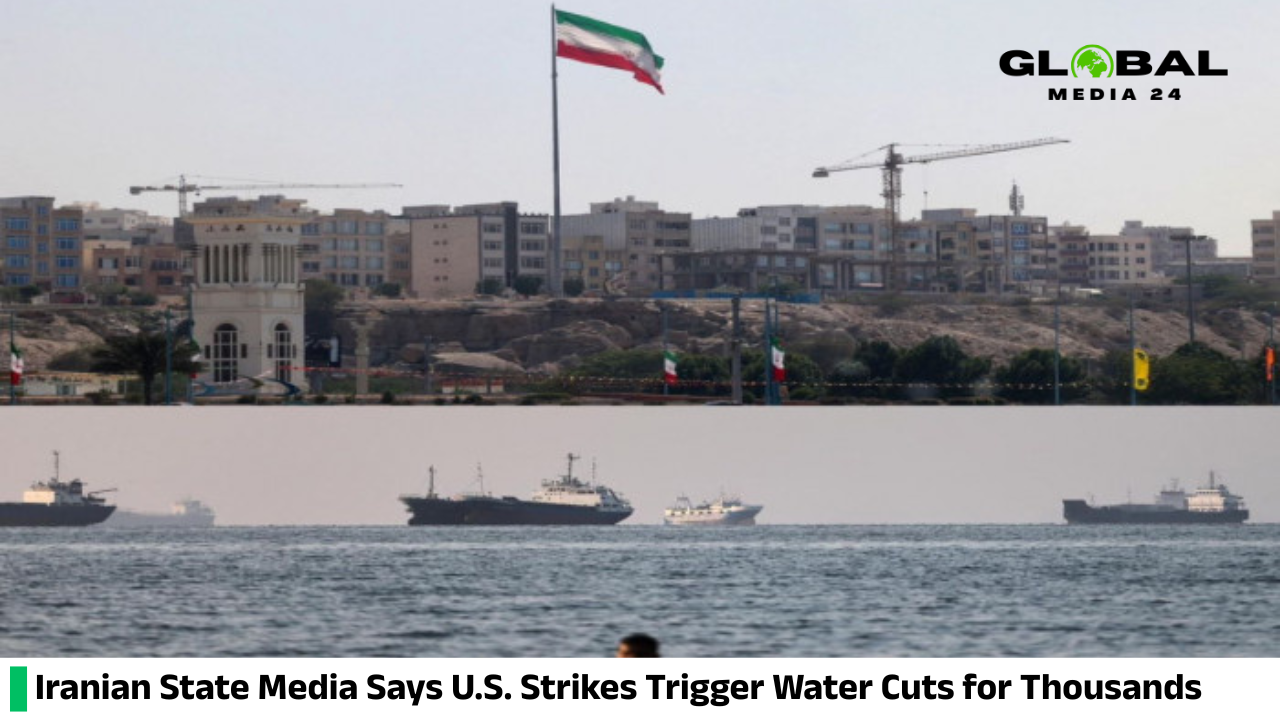
The closure of the Strait has had a particularly acute impact on Asian economies, given that approximately 90% of the energy exported last year passed through this vital waterway.
Pakistan’s role has been paramount. Its engagement with the Middle East spans decades, and Islamabad has previously played the role of a key intermediary—particularly in the 1970s, serving as a secret channel to facilitate the opening of relations between the US and China (Henry Kissinger traveled to Beijing via Pakistan for his historic visit).
Today, the country finds itself in a similarly unique position. It is one of the few nations that maintains working relationships with Washington, Tehran, Beijing, and the Gulf states.
Pakistan is among the countries most severely affected by persistent disruptions in energy supplies, and it also faces the risk of being drawn into a major regional conflict due to its defense commitments to Saudi Arabia.
A prolonged conflict would have a direct impact on the country, given its 900-kilometer (560-mile) border with Iran running through Balochistan—Pakistan’s largest province, which is already plagued by poverty and a long-standing insurgency. Islamabad has absolutely no desire to see instability spill across that border into its territory.
Assuming the role of a peacemaker has also provided an opportunity to repair the country’s global image—one that had been tarnished by the fight against terrorism and the killing of Al-Qaeda leader Osama bin Laden by US Special Forces on Pakistani soil.
The powerful military chief, Field Marshal Asim Munir, has cultivated close ties with the Trump administration to mend relationships that had deteriorated in recent years. He personally welcomed both delegations upon their arrival. However, there is a distinct difference between enjoying the trust of all parties and actually steering powerful players toward peace.
China’s role was less visible, yet equally significant. As Pakistan’s financial patron and Iran’s largest trading partner, Beijing possesses leverage that few others can match. It has quietly supported back-channel initiatives and worked in tandem with Islamabad on proposals aimed at de-escalating tensions. Iranian officials have credited China’s belated efforts with helping to secure approval for the ceasefire—a role that Washington subsequently acknowledged as well.
However, even a gentle push from China proved inadequate when the U.S. and Iran firmly resisted. Beijing has its vital interests at stake: Trump and President Xi Jinping are scheduled to meet next month, and a firm agreement would have cleared the path, allowing China to engage with the U.S. without any extraneous agenda. The fact that it was unable to compel Tehran to accept the deal underscores the limits of its influence in high-stakes, complex negotiations—particularly when Washington is the other party at the table.
For Saudi Arabia, Turkey, and Egypt, the calculus has always been more transactional than transformational. Relations among these three Sunni-majority nations have been strained recently due to the fallout from the Arab Spring; however, they have recently improved, and all share the common objective of averting a major regional war.
This is the fundamental flaw of alliances built on shared interests rather than mutual trust: they may buy time, but they cannot guarantee results. Iran’s nuclear program, regional proxy dynamics, and long-standing animosities remain unaddressed. Resolving these issues requires an equal commitment from both Washington and Tehran.
Nevertheless, this moment matters. A new generation of nations has demonstrated a willingness to take diplomatic risks that were previously considered unthinkable. Yet, this episode also exposed the limits of that ambition. As always, when major powers intervene, the rest of the world finds itself at their mercy.