Xi Restates Taiwan Policy During Trump Call While U.S. Presses Trade Issues
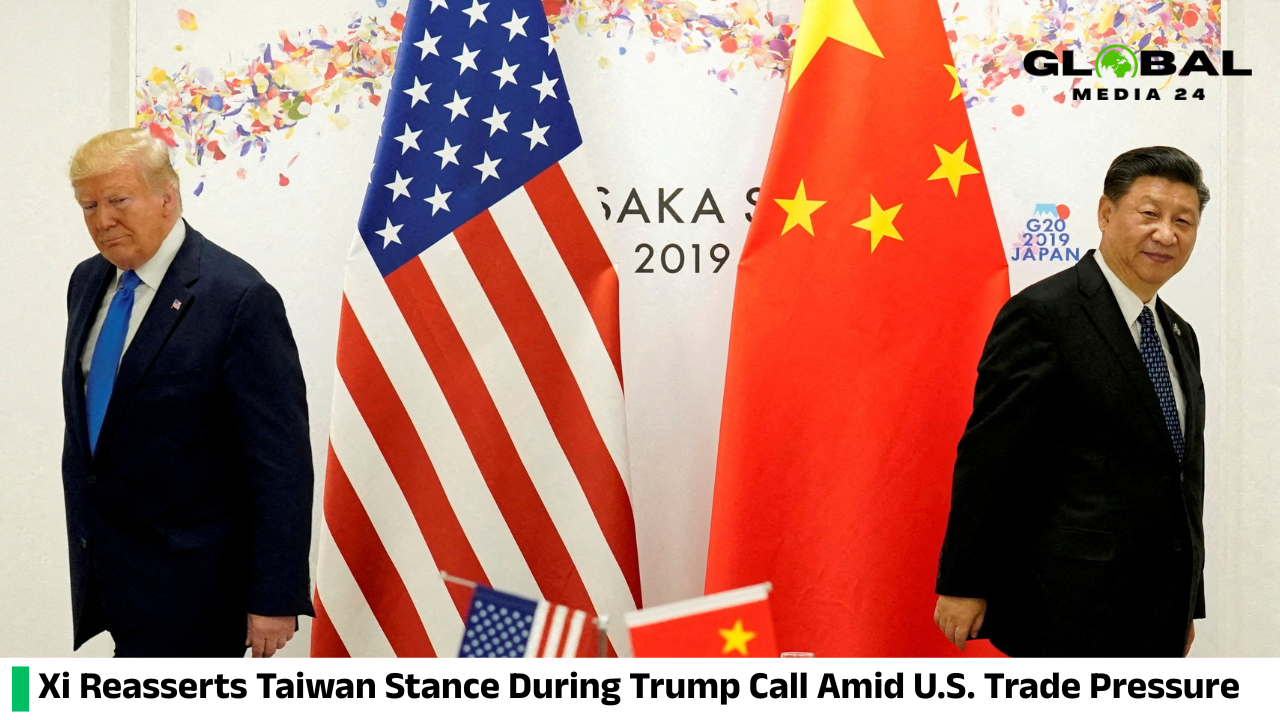
Beijing seemed to be signaling to Washington the boundaries it considers non-negotiable regarding Taiwan, according to an analyst.
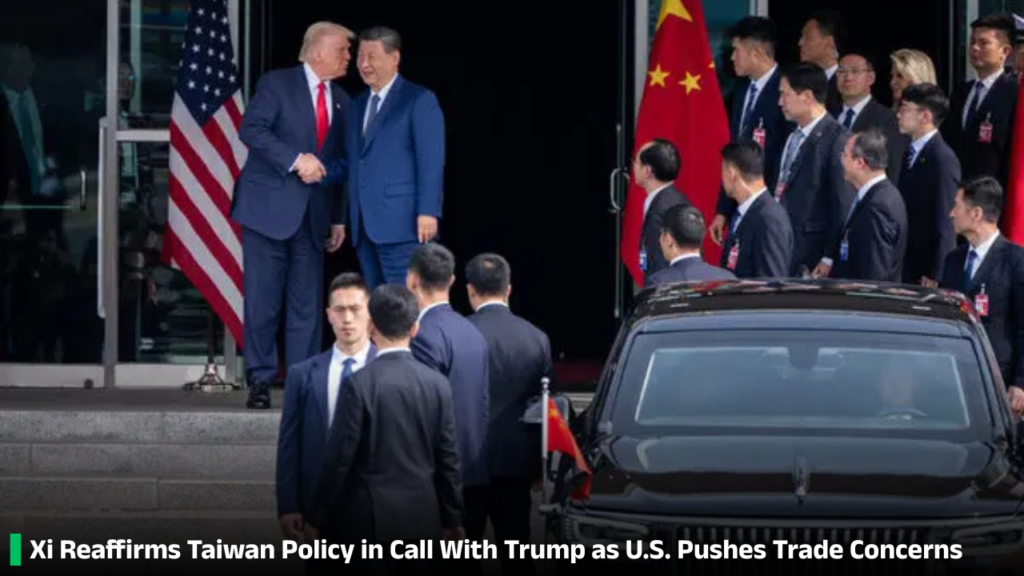
US President Donald Trump said on Wednesday that he had a “long and comprehensive conversation” with his Chinese counterpart, Xi Jinping, discussing key issues including Iran, Russia’s war in Ukraine, China’s energy purchases, and his planned visit in April.
However, Beijing’s statement described Taiwan as the “most important issue” in bilateral relations and urged the US to “handle the issue of arms sales to Taiwan prudently.”
China claims Taiwan as its own territory, but the democratically governed island rejects these claims.
Washington approved an $11.15 billion arms sale to Taiwan last December—one of the largest ever—to bolster the island’s defenses and deter any military aggression from Beijing.
David Meale, head of China practice at the Eurasia Group, said China was reminding Washington “where the red lines are” and wanted to avoid any actions that could jeopardize Trump’s planned visit to China in April.
During the call, Trump emphasized commercial ties between the two countries, including Chinese purchases of oil and gas, agricultural products, and aircraft engines.
Trump said China had agreed to increase its purchases of US soybeans to 20 million tons for this season and 25 million tons for the next season.
Neo Wang, lead China macro analyst at Evercore ISI in New York, said, “Trump’s ‘transactional’ approach should be a gift to Beijing, rather than an ideologically driven approach strengthened by alliance building.”
U.S. Ambassador to China David Perdue reportedly said at a closed-door meeting in Hong Kong last month that Boeing was involved in the ongoing discussions ahead of Trump’s visit.
Wang expects that during Trump’s visit to Beijing, the two leaders will attend a signing ceremony for a deal involving 500 Boeing aircraft.
Wang said that with the potential aircraft deal being a “headline win,” Trump could remove the remaining 10% fentanyl-related tariffs on Chinese exports “during or shortly after” the April meeting.
Trump described the call as a “very good” conversation and characterized his personal relationship with Xi as “very good,” but Xi, in a more measured tone, said that “the U.S. has its concerns and China has its concerns,” but that solutions could be found if both sides “work together.”