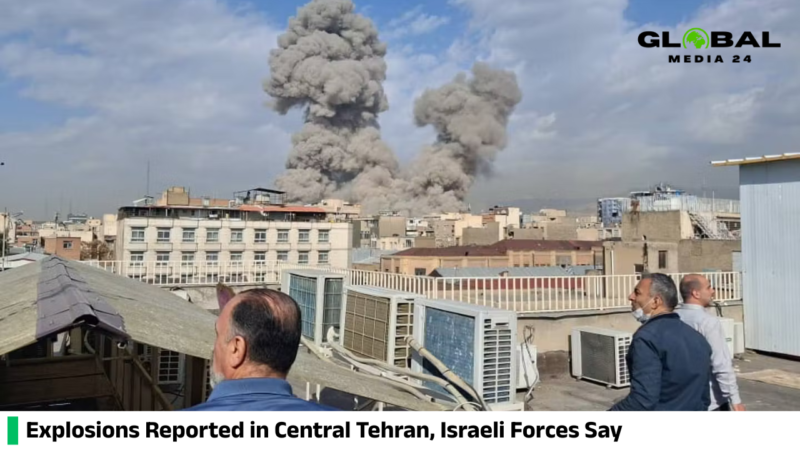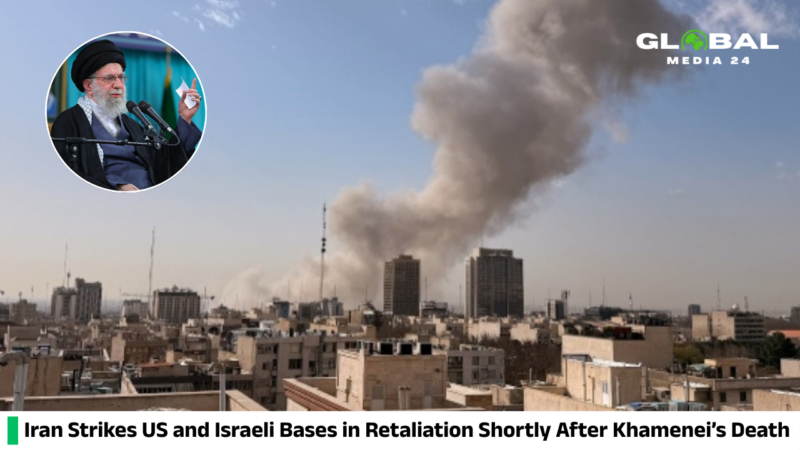
US Navy ships move into the region, the Iranian government is bracing for a possible assault
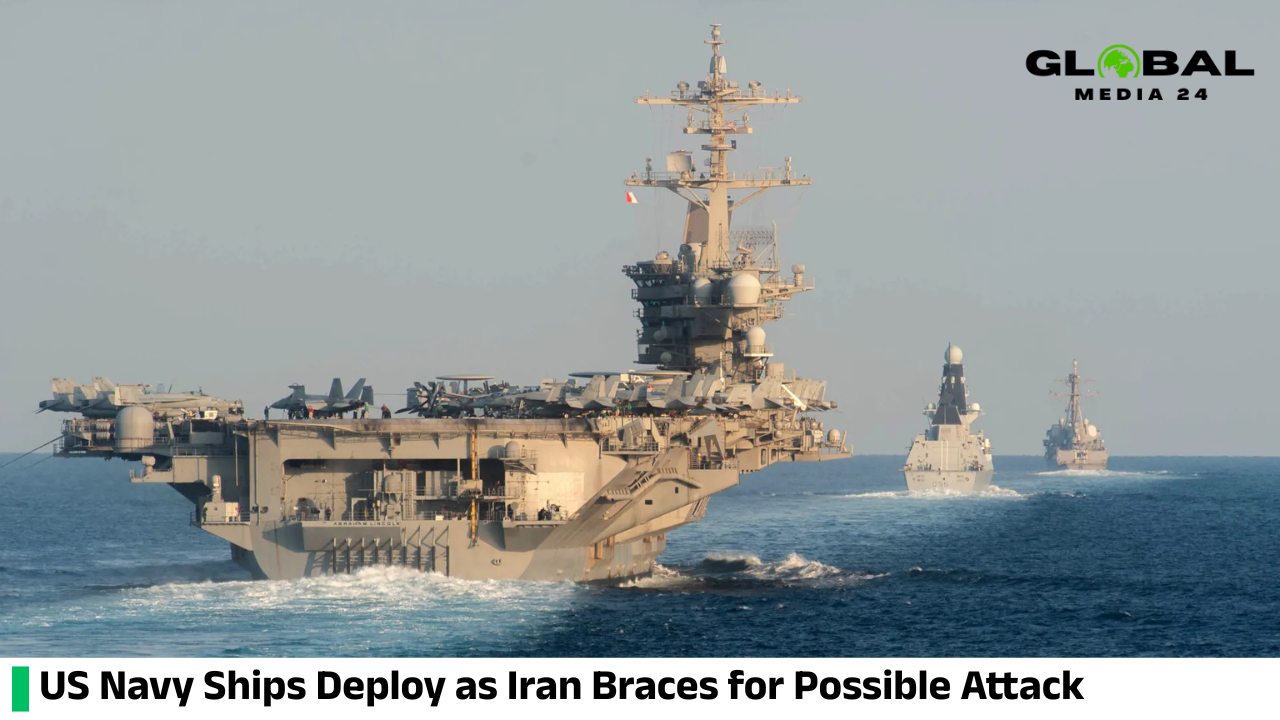
The United States, with Israeli assistance, may have enough military capability to launch an operation focused on toppling the regime.
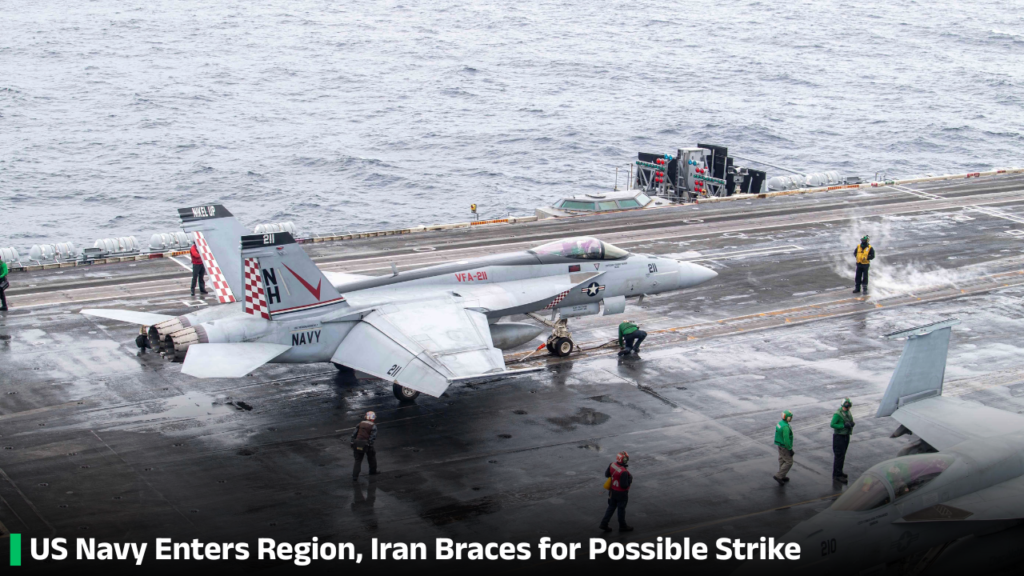
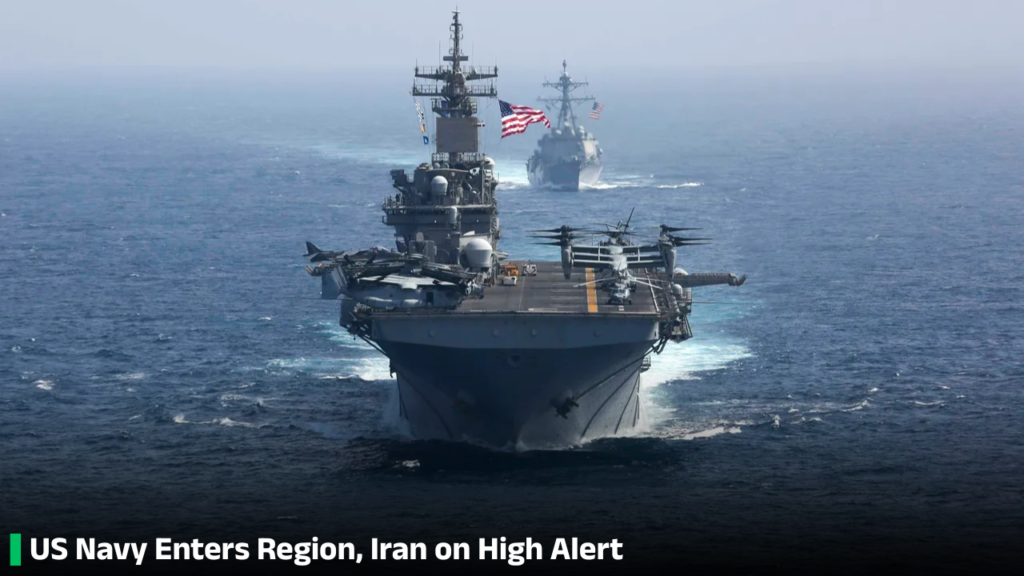
Experts say the Iranian government is bracing for a new missile attack from the US and Israel, following the announcement that the USS Abraham Lincoln aircraft carrier strike group has now deployed its essential assets to the region.
Washington is believed to possess the capability to launch a coordinated attack with Israeli aircraft to topple the regime, which is accused of brutally suppressing protests and killing thousands of Iranians.
The US fleet, which includes several guided-missile destroyers, is not yet in its final position but is already within striking range of Iran.
It is far from certain that further US attacks on Iran would reignite street protests, as many Iranians who oppose the religious leadership that has been in power since 1979 also oppose externally imposed regime change.
With no signs of a diplomatic breakthrough, the Iranian stock market experienced a record daily decline on Monday.
Regional powers, including the United Arab Emirates, have declared that they will not allow their airspace or territorial waters to be used for an attack on Iran, but the presence of the carrier strike group in the Mediterranean means that permission from several third parties would not be necessary for an attack.
Over the weekend, the US military announced that it would conduct an exercise in the region “to demonstrate the ability to deploy, disperse, and sustain combat airpower.”
Any such attack would not be aimed at further weakening Iran’s already fragmented nuclear program, which was the primary target of the 12-day war in June, but rather at targeting Iran’s political leadership and bringing protesters, angered by declining living standards, back onto the streets.
New government figures revealed that inflation reached 60% last month. Ali Larijani, secretary of Iran’s Supreme National Security Council, claimed that the US was trying to disrupt social cohesion in Iran before launching an attack.
He said that Donald Trump’s attempt to portray the country as being in a state of emergency “is itself a form of warfare, and this is exactly what the enemy wants to achieve.”
He added, “The rioters are an urban group with characteristics similar to terrorists. When they rush towards military and police centers to seize weapons, it means they want to instigate a civil war. This time, the US strategy is to first break the unity of the people and only then launch a military attack.”
Iranian Foreign Ministry spokesman Ismail Baghaei said at his weekly press conference that it was false to claim that US special envoy Steve Witkoff had been in contact with Foreign Minister Abbas Araghchi to discuss a potential diplomatic deal.
Witkoff has recently been raising demands such as the return of UN weapons inspectors, the removal of all of Iran’s highly enriched uranium, and a reduction in Iran’s missile program.
Baghaei said that the Iranian military was “closely monitoring every movement” and warned that sending troops and issuing threats “are against the principles of the international system,” threatening that “if these principles are violated, everyone will be engulfed in insecurity.” He then added, “We will respond to any attack comprehensively and regrettably.”
Chief Justice Gholam-Hossein Mohseni-Ejei urged Iran not to return to the negotiating table.
Trump refrained from attacking Iran two weeks ago amid the protests because he feared he had not been given a solid option for removing Supreme Leader Ayatollah Ali Khamenei from power or a detailed battle plan for how to protect Israel from Iranian retaliation.
Many Iranians are angry that Trump has not yet followed through on his promise to help the protesters. The US administration is divided on whether to push for regime change in the country of 90 million people.
Estimates of the death toll vary widely, but one of the most respected human rights groups, the Human Rights Activists News Agency, said the number of protesters killed had reached 5,419. The group was still investigating another 17,000 deaths.
The United Nations Special Rapporteur on Iran, Mai Sato, who is also a professor at Birkbeck, University of London, said she could not verify these figures. He claimed that ransoms of $5,000 to $7,000 were being demanded from families to retrieve the bodies of their loved ones, a claim denied by the Iranian government. Internet access has been shut down since January 8, and the communications department stated that businesses cannot withstand an outage of more than 20 days.
In Europe, Italian Foreign Minister Antonio Tajani said he would recommend to the EU Foreign Affairs Council that the Islamic Revolutionary Guard Corps be designated a banned organization in Europe.