US allies are developing an alternative plan for the Hormuz Strait in case Trump withdraws
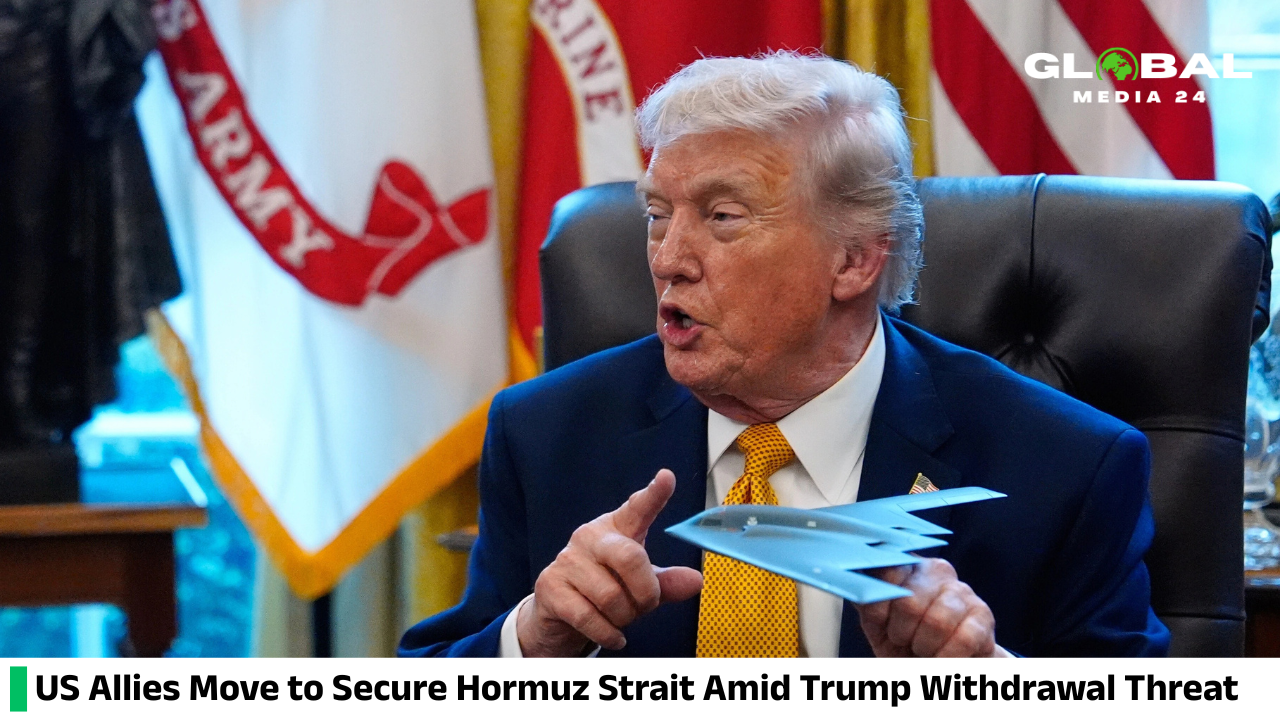
Donald Trump has sharply criticized North Atlantic Treaty Organization member countries for their reluctance to send their own military forces to the waterway, even warning that he might withdraw from the alliance.
On Thursday, more than 40 U.S. allies met to discuss a plan to reopen the Strait of Hormuz.
This served as a signal to President Donald Trump that the international community harbors deep concern regarding the crisis that has emerged in the waterway as a result of his confrontation with Iran.
The U.K. convened nations across Europe, the Middle East, and Asia—as well as Australia and Canada—to explore avenues for establishing diplomatic engagement with Tehran and to consider potential sanctions should it refuse to agree to reopen the shipping lanes vital to global energy supplies.
The objective of the virtual meeting was to demonstrate the collective view of dozens of U.S. allies: that the president should not withdraw from the conflict without first securing a resolution regarding the Strait, a move he has repeatedly threatened to make.
Participants in the meeting fear that Trump might conclude his operations in Iran without a concrete plan for reopening the waterway, thereby leaving them to contend with the ensuing consequences.
Sources familiar with the discussions indicated that the international community was unequivocal in its stance that the U.S. must incorporate a resolution for the Strait of Hormuz into any ceasefire negotiations with Iran.
Nevertheless, the virtual meeting revealed that the coalition of nations deems it necessary to begin preparations to reopen the Strait independently, should the U.S. fail to do so.
Trump has leveled harsh criticism against member nations of the North Atlantic Treaty Organization (NATO) for their reluctance to deploy military assets to the waterway—going so far as to threaten to withdraw from the alliance entirely.
Thursday’s meeting also appeared to be an effort by Britain, France, and other European nations—all of whom have recently faced sharp rebukes from Trump—to demonstrate their willingness to assist in finding a resolution for the Strait of Hormuz.
According to a statement from the Ministry of Foreign Affairs, during this call, Japan appealed to every participating nation to cooperate in establishing safe maritime corridors for all ships and crews currently stranded in the Persian Gulf.
According to the statement, Japan’s Foreign Minister Toshimitsu Motegi, who participated in the call, also “emphasized the importance of making every effort to ensure a stable energy supply for every country.”
Military planners from the coalition of nations are scheduled to meet next week to discuss how their naval assets can be deployed to assist with policing and de-mining operations in the Strait once hostilities cease.
Most members of the coalition have no desire to attempt to forcibly reopen the waterway, as they do not view this as a viable solution and do not believe the crisis can be resolved without Iran’s consent.
The participants regarded the United Nations as a crucial component of diplomatic efforts to lobby Iran and signaled their intention to work alongside Gulf partners to restore freedom of navigation.
Sources involved in the discussions stated that any attempts by Iran to impose a toll system would set a detrimental precedent and noted that there was substantial support for ensuring unimpeded passage through the Strait.
Economic measures, including sanctions, were also discussed to ensure that Iran is unable to continue profiting from the closure.