US Affirms Pakistan’s Right to Self-Defense After Taliban-Linked Strikes in Afghanistan
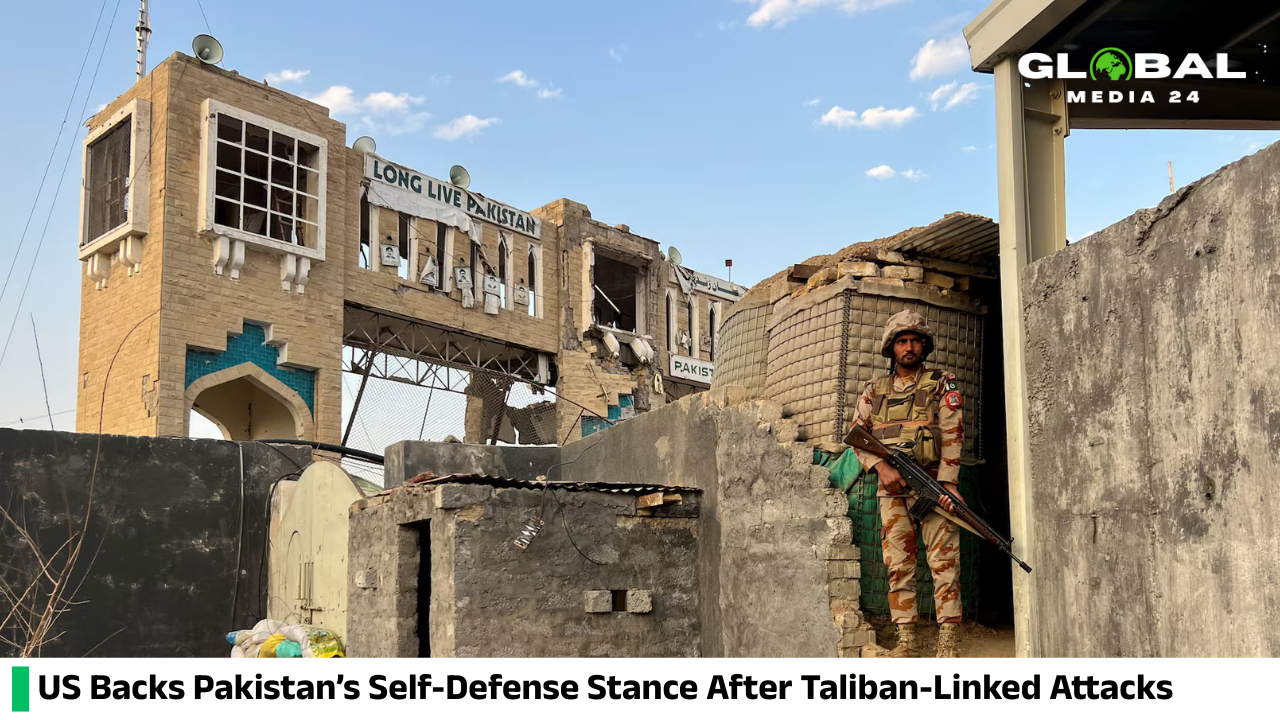
Following Pakistan’s recent airstrikes on cities in Afghanistan, the Taliban have proposed resolving the escalating dispute with their neighbor through dialogue.
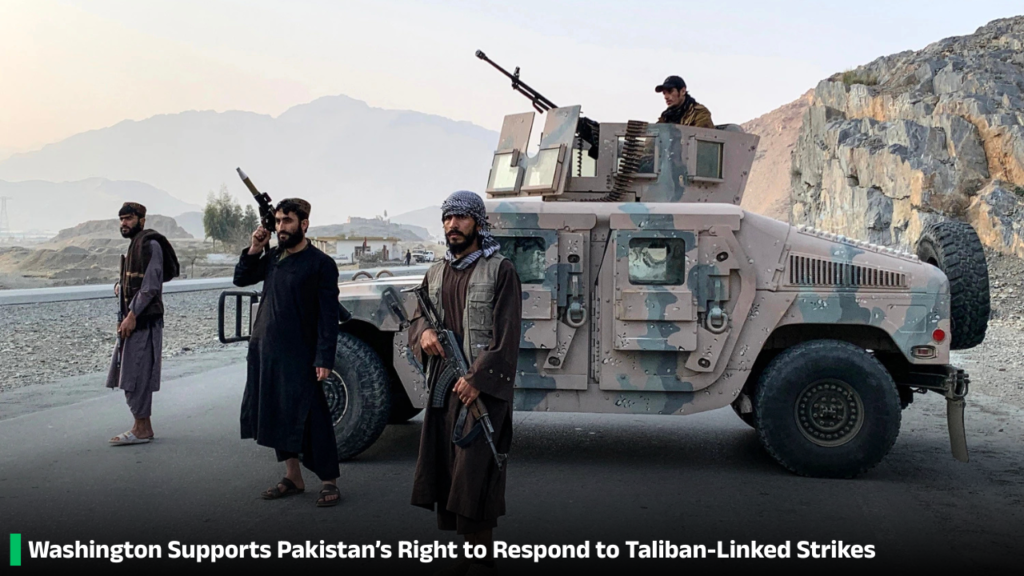
Washington supported Pakistan’s “right to defend itself” after it bombed major Afghan cities amid rising tensions between the two hostile neighbors.
The Taliban government in Kabul insisted on Friday that it was ready for talks, as violence between the two countries escalated.
Taliban spokesman Zabihullah Mujahid said, “The Islamic Emirate of Afghanistan has always tried to resolve issues through dialogue, and now we also want to resolve this matter through dialogue.”
He said that Pakistani attacks targeted parts of Kabul, Kandahar, and Paktia on Thursday night and Paktia, Paktika, Khost, and Laghman on Friday.
Pakistan’s Defense Minister Khawaja Mohammad Asif had previously said that his country was in an “open war” with Afghanistan and that Islamabad’s patience had run out.
This new wave of attacks came after Afghan forces attacked Pakistani border troops on Thursday night. Afghanistan said it was retaliation for a deadly Pakistani airstrike on Afghan border areas last weekend.
Pakistan has accused the Afghan Taliban government of harboring militant groups carrying out cross-border attacks—a claim denied by Kabul—and of allying with India, its longtime enemy and regional foe.
The UK and EU have called for a swift de-escalation of tensions and urged both sides to resume talks. Although a Qatar-brokered ceasefire ended the fighting in 2025, talks in Istanbul in November did not result in a formal peace agreement.
US Under Secretary of State for Political Affairs Alison Hooker spoke with Pakistani Foreign Secretary Amna Baloch on Friday and expressed condolences for the “loss of life” in the recent violence in Afghanistan.
Hooker wrote on X, “We are closely monitoring the situation and support Pakistan’s right to defend itself from Taliban attacks.”
Pakistan is a key ally of Washington, which considers the Afghan Taliban—who returned to power in Kabul after the chaotic withdrawal of US-led forces in 2021—a “terrorist” group.
The European Union called for an “immediate de-escalation and cessation of hostilities” and warned of “serious implications” for the region.
Kaja Kallas, the EU’s High Representative for Foreign Affairs and Security Policy, said, “The EU reiterates that Afghan territory should not be used to threaten or attack other countries and calls on the Afghan authorities to take effective action against all terrorist groups operating in or from Afghanistan.”
“We urge both parties to engage in dialogue,” Kallas said. “International law, including humanitarian law, must be fully respected by all. The safety of civilians and civilian infrastructure must be ensured, and all possible precautions must be taken to prevent further harm to civilians.”
UK Foreign Secretary Yvette Cooper wrote, X: “The UK is deeply concerned by the significant escalation of tensions between Afghanistan and Pakistan. We urge both parties to take immediate steps to de-escalate tensions, prevent further harm to civilians, and re-engage in mediational dialogue.”