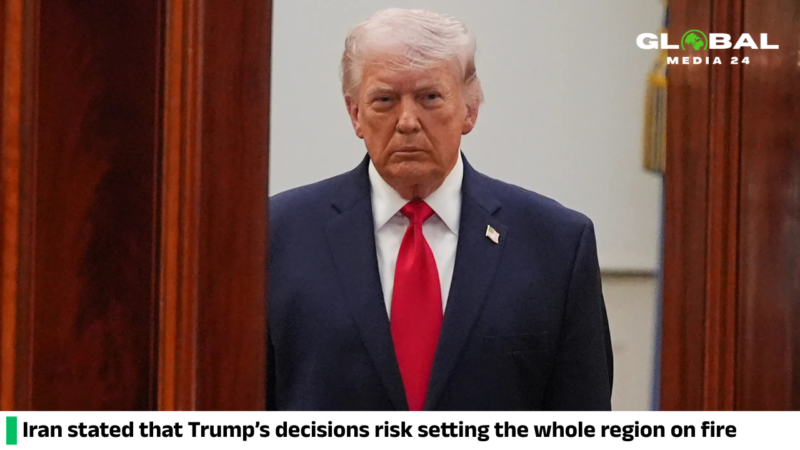
Is NATO turning into unintended collateral damage in Trump’s war against Iran?
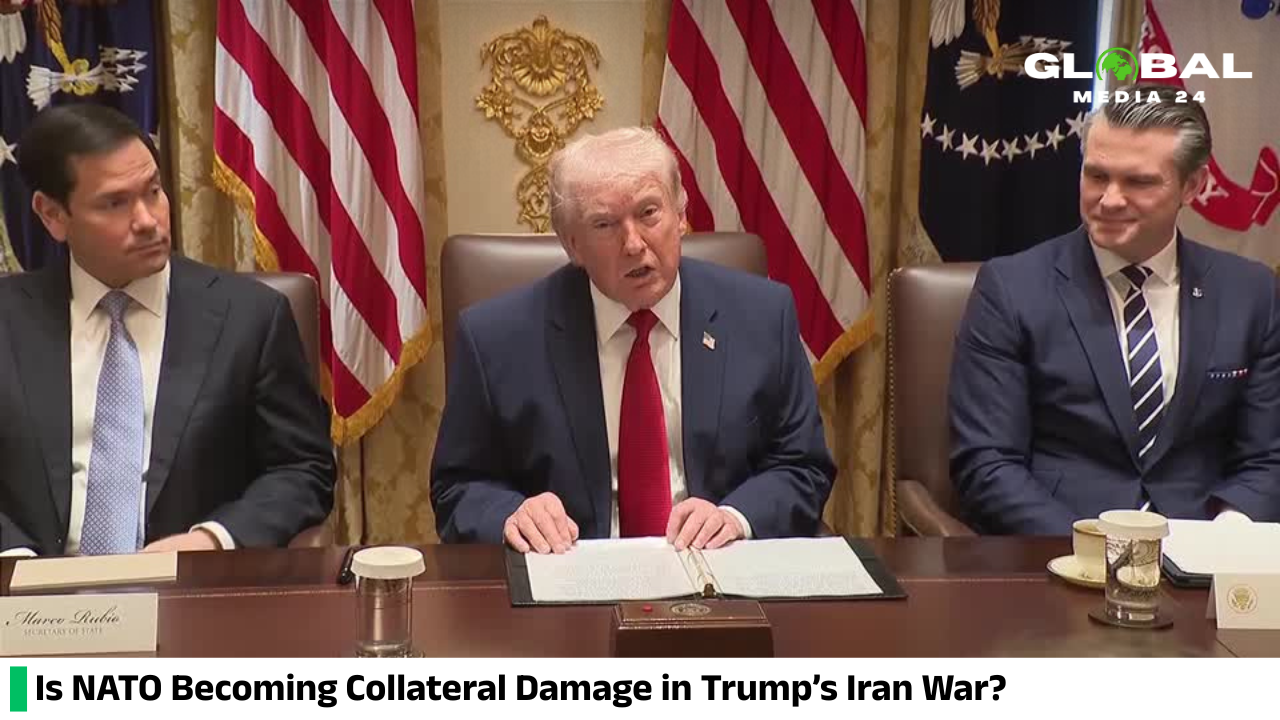
The president’s anger—who has also criticized NATO allies as “cowards” over Iran—marks yet another major crisis confronting the 77-year-old alliance since he returned to power last January.
“Paper tiger.” “Cowards.” As U.S. President Donald Trump grapples with the fallout of his confrontation with Iran, much of his ire has shifted to a different target: the NATO military alliance.
European allies have refused to join his fight, rejected requests for assistance in reopening the Strait of Hormuz, or denied access to U.S. jets—moves that have caused an irate Trump to adopt an even more menacing tone.
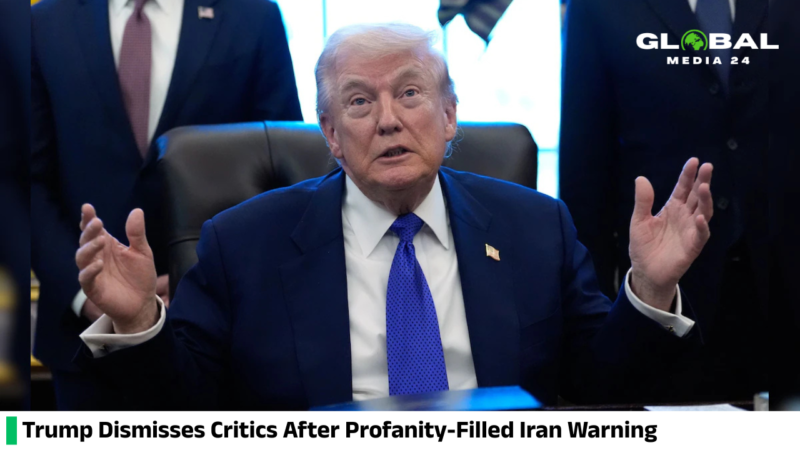
“I’ve never been impressed with NATO. I’ve always known they were paper tigers,” Trump told the British newspaper The Telegraph on Wednesday. He added that he is seriously considering withdrawing the United States from the alliance.
The president’s anger—who has also branded NATO allies “cowards” over the Iran issue—represents the latest existential crisis for the 77-year-old alliance since he returned to power last January.
Just months earlier, he shook NATO to its foundations when he threatened to seize the vast Arctic island of Greenland from fellow member Denmark—only to abruptly back down.
Subsequently, he repeatedly undercut Ukraine in its conflict with Russia, threatened to withhold protection from allies if they did not increase their defense spending, and warned that Washington could withdraw troops from Europe.
While previous storms have eventually passed, growing anxiety among some U.S. allies suggests that the damage inflicted this time may prove difficult to repair.
“It is becoming more serious by the day,” a European diplomat at NATO told AFP on condition of anonymity.
Trump has long been a vocal critic of NATO; in 2017, he labeled it “obsolete” and, during his first term, contemplated withdrawing from the alliance entirely.
What makes the current situation particularly concerning is that this time, it is not just Trump but other traditional supporters within Washington who are raising critical questions about the alliance. Secretary of State Marco Rubio warned on Tuesday that, after several European nations barred the U.S. military from utilizing bases on their soil, the United States would have to “rethink” its relationship with NATO.
He told Fox News, “When we need permission from them to use our military bases, their answer is ‘no.’? ” Then why are we in NATO? You have to ask that question.”
Ivo Daalder, the former U.S. ambassador to NATO, stated that while NATO members have resolved numerous differences in the past, this particular clash has jeopardized the crucial bond of trust that holds the alliance together. Daalder, who served under President Barack Obama, wrote in an online post, “Over the past two weeks, relations between the President and his European partners have deteriorated significantly.”
“This is the worst crisis NATO has ever faced.”
Stronger Than Ever?
After repeated efforts to appease Trump—including a pledge to increase spending at last year’s NATO summit—European partners appear unwilling to stand with him on the Iran issue this time around.
Because Trump failed to consult them before initiating hostilities, there is little appetite to help resolve the ensuing fallout—a situation that risks further complicating matters.
Yet, while pessimists see an irreparable rift, others insist that NATO will once again weather the storm. British Prime Minister Keir Starmer stated on Wednesday, “It has kept us safe for many decades, and we remain fully committed to NATO.”
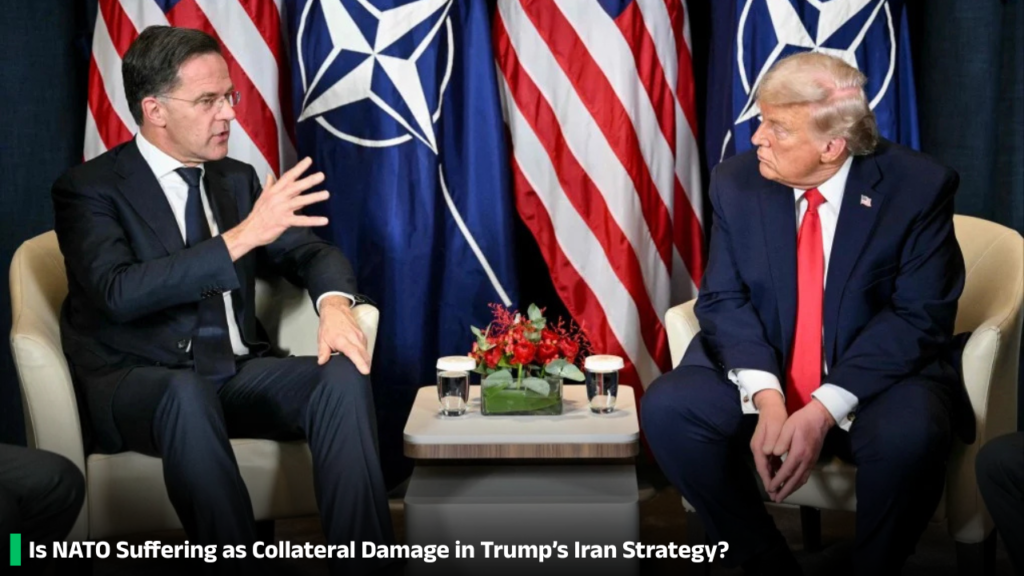
The Alliance’s chief, Mark Rutte—dubbed the “Trump Whisperer”—plays a pivotal role, having succeeded in keeping the president on board largely through unbridled flattery of the U.S. leader.
He has praised Trump for his handling of the threat posed by Iran and has consistently argued that the president has strengthened NATO by persuading Europeans to boost their defense spending. “NATO is stronger today than it has ever been,” he declared last week.
A ‘Roller Coaster’
A major test looms in July, when Trump comes face-to-face with 31 other NATO leaders at a summit in Ankara—though some hope that tensions will have subsided by then.
“The only good news regarding Ankara is that there is still some time,” a NATO diplomat remarked; “three or four months is a lifetime in the Trump era.” Even if this particular dispute is resolved, the Alliance must remain braced for further turbulence as long as Trump remains at the helm. John Deni, a non-resident fellow at the Atlantic Council think tank, told AFP, “I wouldn’t say it is in a ‘perma-crisis,’ but rather that it will remain on a sort of roller coaster for the next three years or more.”
Meanwhile, a sentiment is growing among European partners that Trump has once again underscored the fundamental point that they need to take greater ownership of their own defense.
France’s Minister of the Armed Forces, Alice Rufo, stated, “We want to strengthen European defense within the Atlantic Alliance.” “This fosters trust and confidence.”