
Global stock markets prepare for volatility following Trump’s newest tariff move
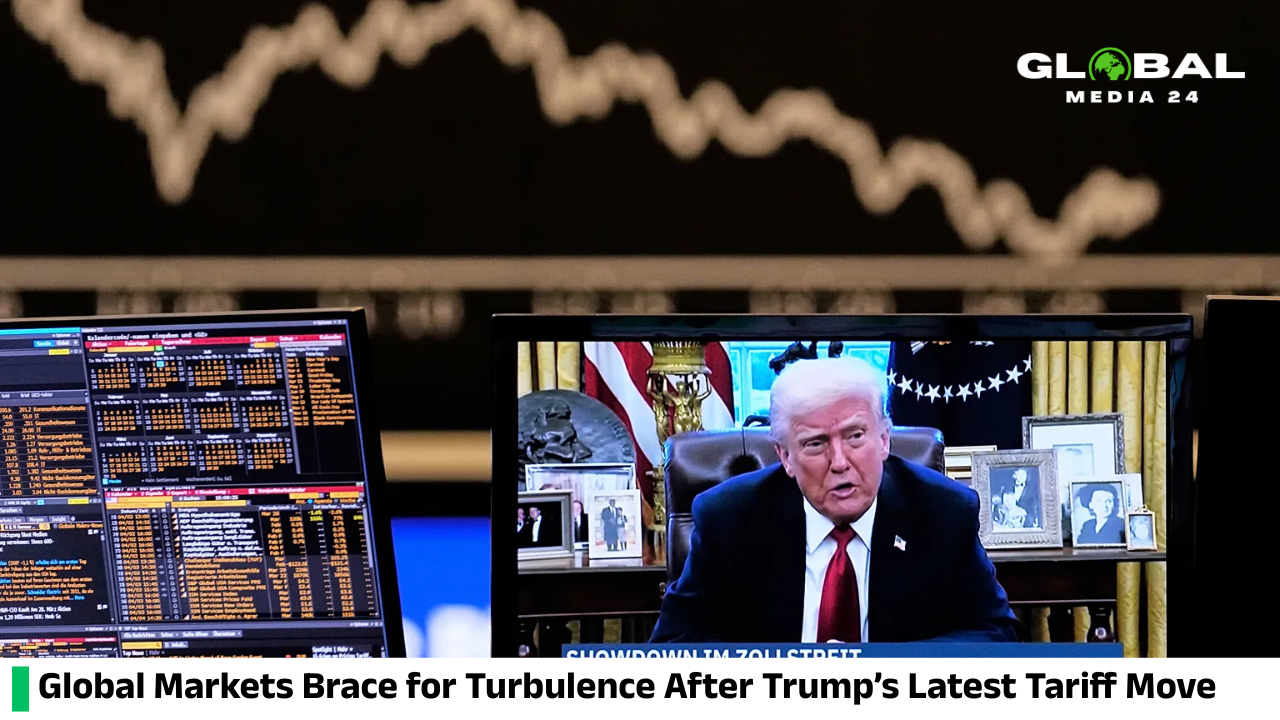
Stock markets are expected to face losses, while precious metal prices may surge further following the decision to impose 25% tariffs on European allies.
Donald Trump has threatened eight European countries with new tariffs unless they fulfill his dream of buying Greenland, a move expected to trigger a sell-off in global stock markets when trading resumes on Monday.
The US president’s plan to impose a new 10% trade levy on goods from Denmark, Norway, Sweden, France, Germany, the UK, the Netherlands, and Finland from February 1, rising to 25% on June 1, is causing alarm in markets and among European businesses.
Trading on brokerage IG’s weekend markets suggests losses are likely when the London Stock Exchange reopens on Monday, while rising geopolitical fears could push precious metal prices to new record highs. Wall Street, which reopens on Tuesday, is also expected to fall.
“This new flashpoint has heightened concerns about the fracturing of NATO alliances and disruptions to trade agreements struck with several European countries last year, fueling risk-off sentiment in stocks and boosting safe-haven demand for gold and silver,” said Tony Sycamore, market analyst at IG.
IG’s weekend markets indicated that the UK’s FTSE 100 index was set to fall by 0.9% on Monday, while its weekend Wall Street market pointed to a 0.5% drop in the Dow Jones Industrial Average, which tracks 30 major US companies.
In IG’s weekend bullion market, gold was trading 0.6% higher at $4,625 per ounce, close to last week’s record high of $4,642 per ounce, while spot silver was up 0.5% at $90.41/oz.
European leaders, including UK Prime Minister Keir Starmer and European Commission President Ursula von der Leyen, criticized Trump’s move on Saturday, warning that it risks weakening the NATO defense alliance.
Susannah Streeter, chief investment strategist at Wealth Club, said that Trump’s new policies have “created new economic uncertainty” and are a blow to the UK economy.
“This is a headache-inducing development for leaders who have already had to navigate difficult negotiations to reach the first part of a tariff deal and secure exemptions for certain sectors. For companies selling into the United States and their customers, this move adds another layer of difficult decisions.
“They have already had to try to absorb the existing tariffs—and there will be very little room left to absorb more—so this new tranche of duties will likely fall on American consumers.”
On Sunday, there were indications that European business groups were pressuring the EU to show its strength in response. Germany’s engineering association, VDMA, urged the European Commission to consider using its “anti-coercion instrument” against the US.
“If the EU gives in here, it will encourage the US president to make the next unreasonable demand and threaten further tariffs,” VDMA President Bertram Kawlath said in a statement on Sunday.
Hildegard Müller, president of the German automotive industry association, warned that the cost of these extra tariffs would be “enormous” for German and European industry.
William Bain, head of trade policy at the British Chambers of Commerce, predicted that the new tariffs on goods exported to the US would be “more bad news for UK exporters” and urged the UK government to push for the implementation of last year’s trade deal with the US—which was put on hold last month. “We know that trade is a way to boost the economy, and the success of transatlantic trade depends on reducing tariffs, not increasing them.
“The government should prioritize implementing the [UK-US] economic prosperity deal and calmly negotiate to avert the threat of these new tariffs,” Bain said.
A representative from the island in the US stated that the last time Greenlanders were asked if they wanted to become part of the US, in January 2025, only 6% were in favor, while 85% were against it.
A recent poll also shows that most Americans oppose US control over Greenland.